Zambia invented the walking safari and still does it better than anywhere else. Norman Carr pioneered it in the Luangwa Valley in the 1950s, and the tradition of the armed guide, the scout and a small group on foot remains the defining Zambian experience.
Read more about Zambia →Capital: Lusaka
Currency: ZMW
Best time: May to October for safari; the emerald season, December to April, for birds and value.
See more →Comfort: MID RANGE
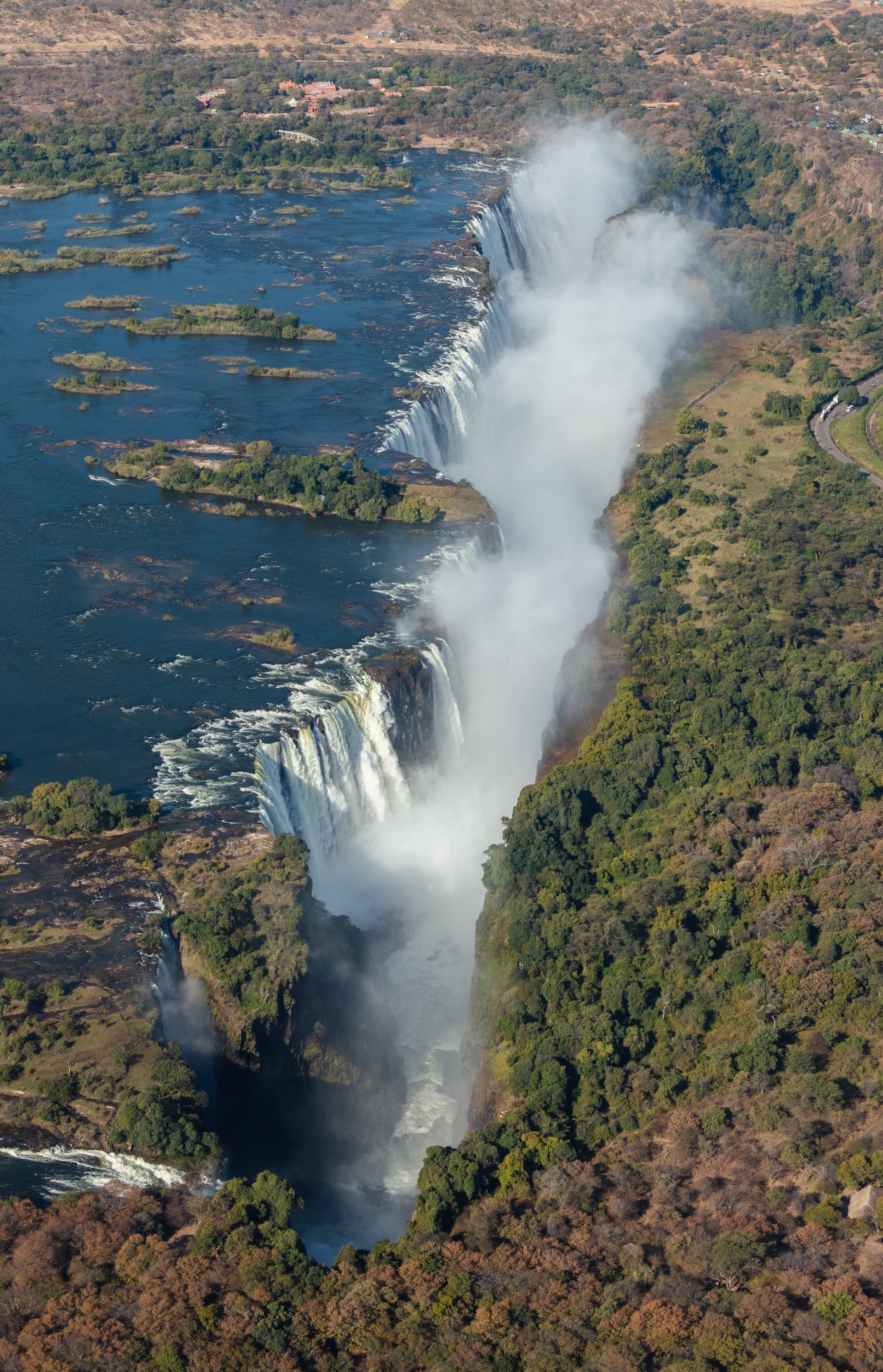
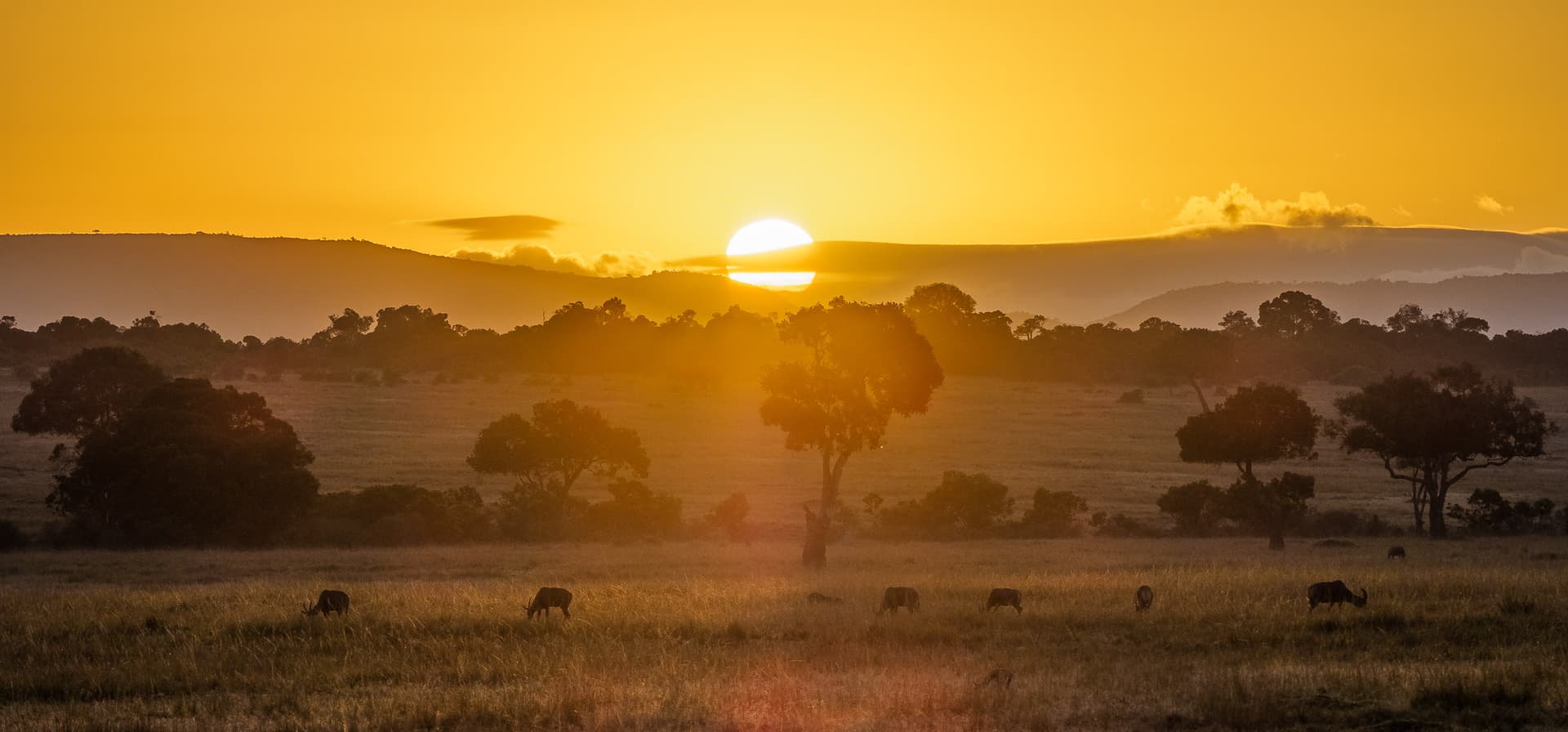
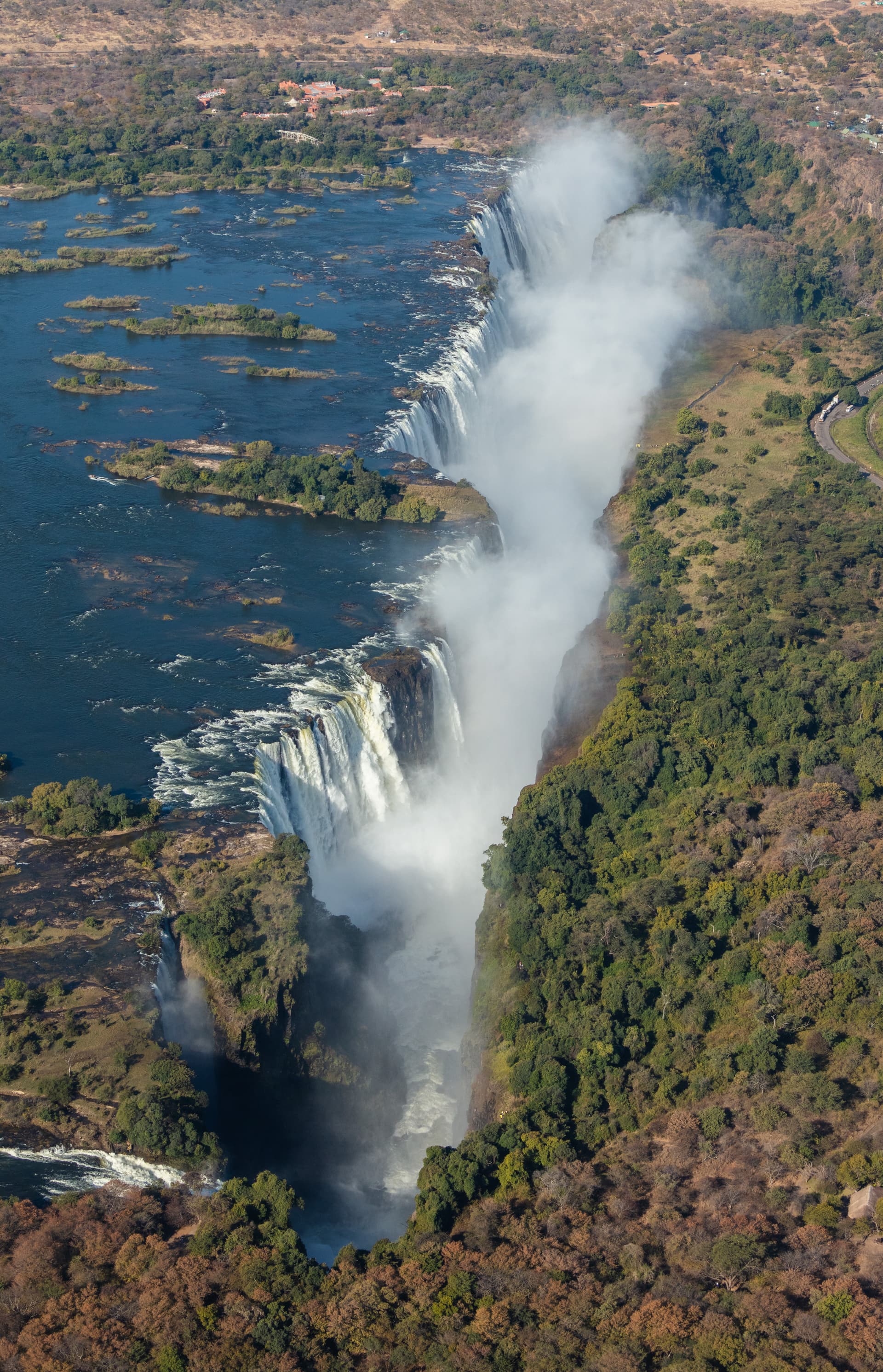
Zambia invented the walking safari and still does it better than anywhere else. Norman Carr pioneered it in the Luangwa Valley in the 1950s, and the tradition of the armed guide, the scout and a small group on foot remains the defining Zambian experience. South Luangwa is the flagship: exceptional leopard density, superb guiding and a concentration of game along the Luangwa River that stands comparison with anywhere. Lower Zambezi National Park adds canoe safaris… and boat fishing beneath the Zambezi escarpment. Kafue, at 22,400 km², is one of the largest parks in Africa and remains lightly visited, with the Busanga Plains flooding seasonally to produce something close to a miniature Okavango. Zambia holds roughly two-thirds of Victoria Falls, and Livingstone is the base for Devil's Pool, the natural rock lip at the top of the falls that is swimmable in low water. Lake Tanganyika and the Bangweulu wetlands, home to the shoebill, reward the more adventurous.
May to October for safari; the emerald season, December to April, for birds and value. The dry season, running May to October, is prime. Game concentrates on the Luangwa and Zambezi rivers, the bush thins out and walking conditions are ideal. Peak viewing is July to September, when the heat builds and animals crowd the remaining water; October is superb but punishing, regularly above 40°C. Many bush camps in South Luangwa and the Lower Zambezi are seasonal and close entirely from around November to May, so the calendar is partly decided for you. The emerald season, December to April, is a genuinely different trip: lush, dramatic, exceptional birding with migrants in, and rates far lower. Access is by boat or 4x4 to the few all-weather camps: the Mfuwe sector of South Luangwa stays reachable year-round on surfaced roads. Victoria Falls on the Zambian side is at full flood from March to May, and Devil's Pool opens roughly August to January when the water drops.
Zambia has progressively waived visa fees, and nationals of the United Kingdom, United States, Canada, Australia, most EU states and many others now enter without charge for tourist stays, generally up to 90 days per year. An eVisa system operates at evisa.zambiaimmigration.gov.zm and is worth using in advance even where entry is free, as it shortens processing at the border. Nationalities that still require a paid visa can obtain one on arrival at Kenneth Kaunda International, Harry Mwanga Nkumbula in Livingstone and the main land borders, or apply online. Your passport should be valid at least six months and hold blank pages for stamps; three is the usual advice. A return ticket may be requested. For anyone visiting Victoria Falls, the KAZA UniVisa at USD 50 covers both Zambia and Zimbabwe for 30 days with unlimited crossings and allows day trips into Botswana at Kazungula. It is available at Livingstone and Lusaka airports and the Victoria Falls land border, and is the sensible choice if you intend to see both sides of the falls. Confirm current requirements before travelling.
Yellow fever: a certificate is required if you are arriving from, or have transited through, a country with risk of yellow fever transmission. Not required for travellers coming directly from Europe or North America. Note that neighbouring countries may ask for one if you are travelling on from Zambia. Malaria: risk is year-round throughout the country, including South Luangwa, the Lower Zambezi, Kafue, Livingstone and Lusaka. Prophylaxis is strongly recommended for every visitor. Walking safaris start at dawn and evening drives run past dusk, which are precisely the high-risk hours. Use repellent and cover up. Commonly recommended: hepatitis A and B, typhoid, tetanus-diphtheria-polio, and rabies for walking safaris and extended rural travel. Practical notes: drink bottled or filtered water; camps supply it. Bilharzia is present in the Zambezi, the Luangwa and Lake Kariba. Do not swim in still fresh water, though Devil's Pool at the falls is fast-flowing and generally considered low-risk. Bush camps are remote, often several hours from a road and a long way from a hospital. Insurance including emergency air evacuation is essential and most operators require proof of it. See a travel clinic four to six weeks before departure.
Places worth building a trip around in Zambia, from our travel writing.
Zambia on the map
Hand-picked safaris, beach escapes, and cultural journeys across Zambia.