Morocco fits an improbable range into a few hours' drive: Atlantic and Mediterranean coasts, the Atlas mountains under snow, the Sahara, and four imperial cities with medinas that have been continuously inhabited for a thousand years.
Read more about Morocco →Capital: Rabat
Currency: MAD
Best time: March to May and September to November: the shoulder seasons, and the best all-round conditions.
See more →Comfort: MID RANGE
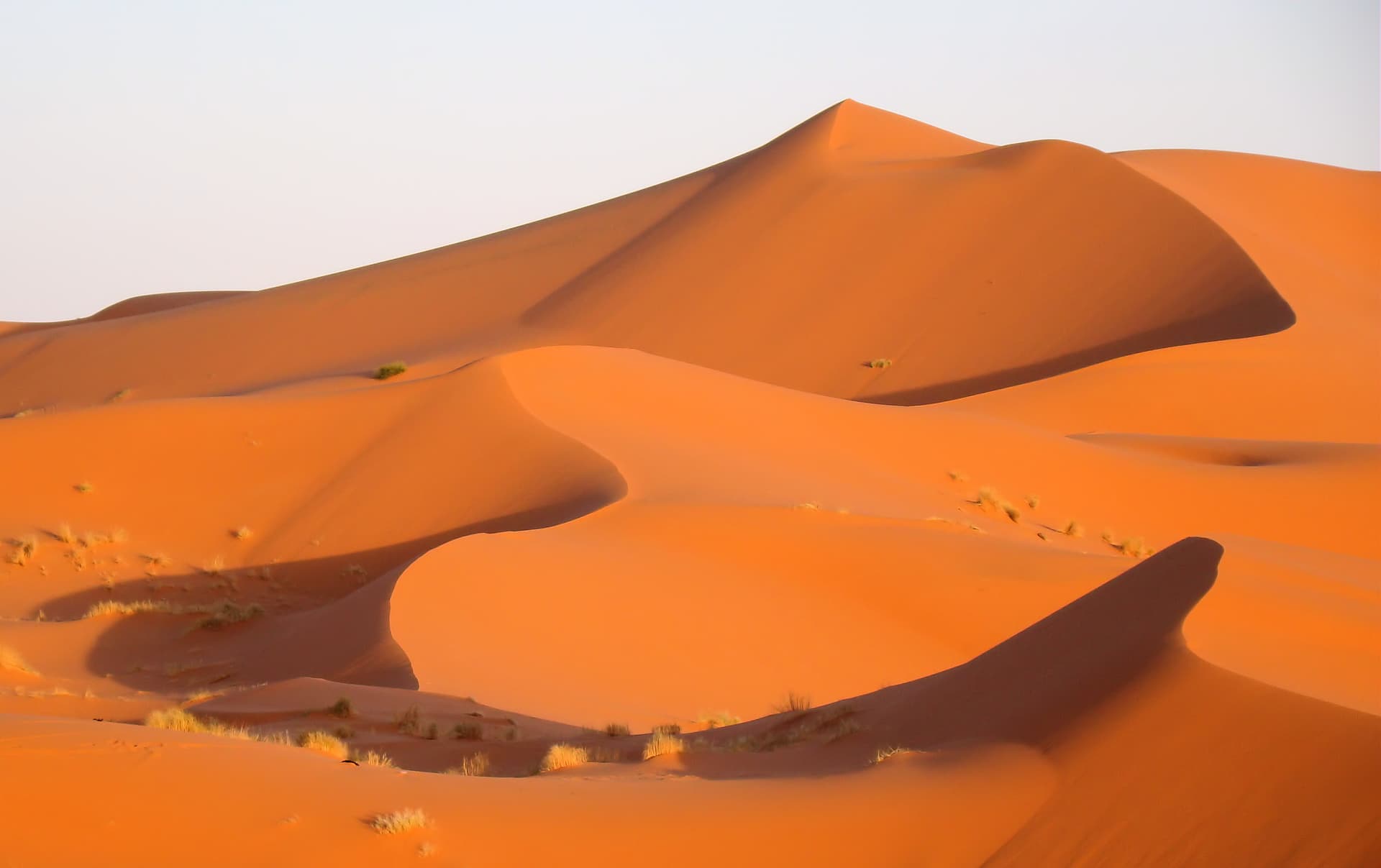
Morocco fits an improbable range into a few hours' drive: Atlantic and Mediterranean coasts, the Atlas mountains under snow, the Sahara, and four imperial cities with medinas that have been continuously inhabited for a thousand years. Marrakech is the usual entry point: the UNESCO-listed medina, the souks, and Jemaa el-Fna, the square that fills each evening with food stalls, musicians and storytellers. Fes holds the older and larger medina, and the Chouara tannery has been… worked the same way since the eleventh century. Chefchaouen in the Rif is the blue-painted mountain town, and Essaouira on the Atlantic is a windswept, walled fishing port with a strong surf and kitesurf scene. The standard desert trip runs from Marrakech over the Tizi n'Tichka pass, past the kasbah at Aït Benhaddou, through the Todra and Dades gorges to the dunes of Erg Chebbi at Merzouga, two nights in the desert, camel trek and camp. The High Atlas offers serious trekking, with Toubkal at 4,167 m the highest peak in North Africa.
March to May and September to November: the shoulder seasons, and the best all-round conditions. Spring and autumn are the answer for almost every Morocco itinerary. Temperatures are comfortable in Marrakech and Fes, the desert is warm by day and cool at night rather than dangerous, and the Atlas passes are clear. Spring adds wildflowers and snow still on the peaks; autumn brings the date harvest in the southern oases. Summer, June to August, is difficult inland. Marrakech routinely passes 40°C and the Sahara becomes genuinely hazardous, most operators will not run overnight desert camps at the height of it. The Atlantic coast is the exception: Essaouira and Agadir stay cool and are at their busiest. Winter, December to February, is mild and sunny by day in the south and cold at night, with real snow in the Atlas and skiing at Oukaïmeden. The desert nights drop close to freezing. Coastal cities can be wet. If your trip falls in Ramadan, expect reduced daytime service and a very different evening atmosphere, the dates shift each year.
Morocco is one of the easiest countries in Africa to enter. Nationals of the United States, Canada, the United Kingdom, the EU, Australia, New Zealand, Japan and many others enter without a visa for stays of up to 90 days. Your passport must be valid for at least six months beyond arrival and have a blank page for the stamp. You may be asked for proof of accommodation and a return ticket. An eVisa system operates for nationalities that do require one, alongside applications at Moroccan consulates. To extend beyond 90 days you must apply at the local police station's foreigners' section at least fifteen days before the limit expires. Overstaying is treated seriously and results in fines and complications on departure. One thing to be aware of: the Moroccan dirham is a closed currency and it is illegal to take significant amounts in or out. Change money on arrival at a bank or official bureau, and change back before you fly out. If your itinerary includes Western Sahara, be aware the territory is disputed and travel advice differs. Confirm current requirements before booking.
Yellow fever: not required for travellers arriving from Europe, North America or Asia. A certificate is required if you are arriving from a country with risk of yellow fever transmission. Malaria: Morocco is malaria-free. No prophylaxis is required. Commonly recommended: hepatitis A and B, typhoid, tetanus-diphtheria-polio, and rabies. Rabies deserves genuine attention here rather than the usual boilerplate. Morocco has a substantial stray dog and cat population, cases in returning travellers have prompted health notices, and pre-exposure vaccination is worth discussing if you are trekking, cycling or spending time in rural areas. Do not approach or feed stray animals, including the macaques in the cedar forests near Ifrane, and treat any bite or scratch as a medical emergency requiring immediate attention. Stomach upsets are the common complaint. Drink bottled water, be selective about street food, the busy stalls with high turnover are the safer bet, and avoid salads washed in tap water outside good restaurants. Heat and dehydration matter on desert and Atlas trips. Altitude affects some trekkers on Toubkal. Medical care is good in Casablanca, Rabat and Marrakech and limited in the mountains and the south. Trekking and desert insurance should cover evacuation. See a travel clinic four to six weeks ahead.
Places worth building a trip around in Morocco, from our travel writing.
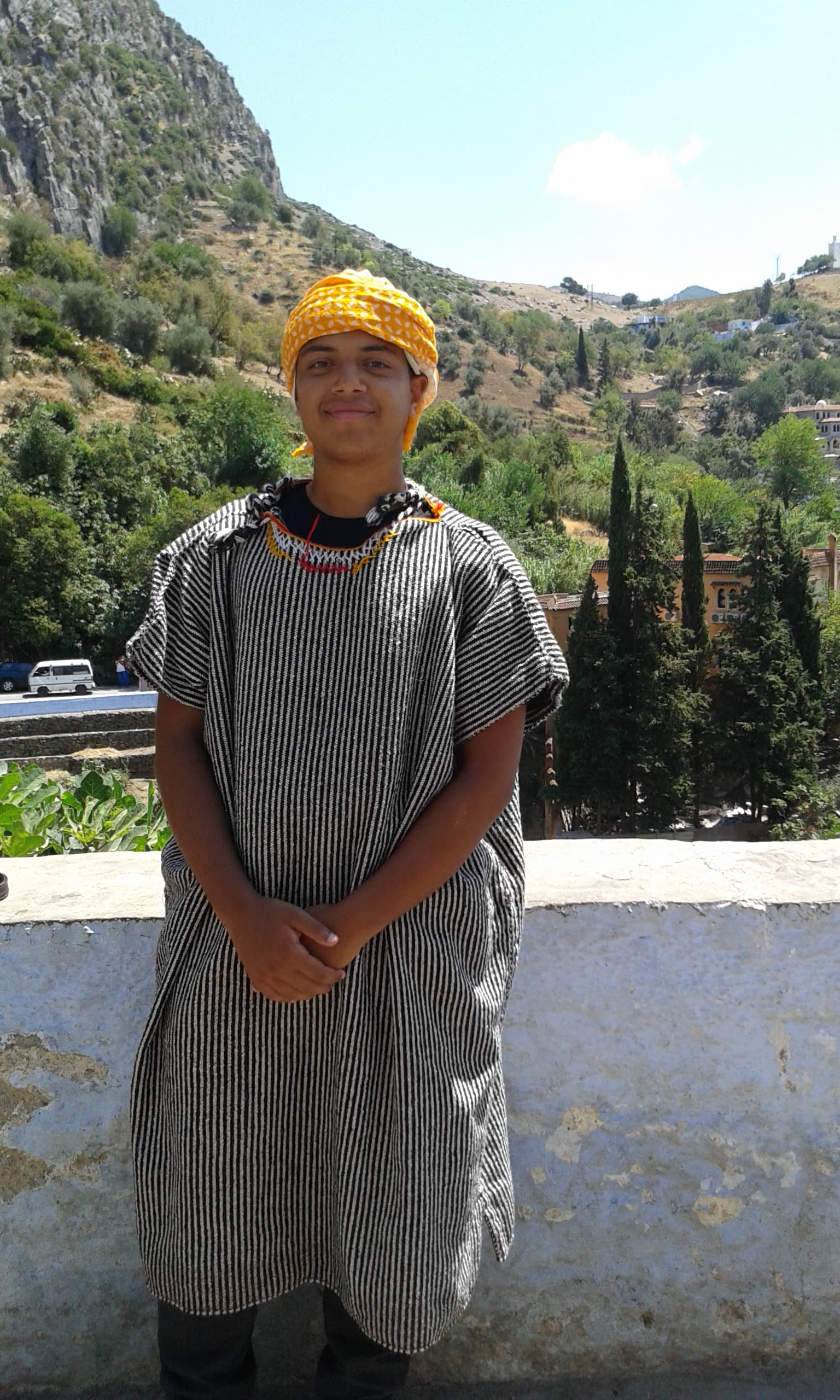 Culture & Heritage
You step into a world painted in shades of azure, where every wall, door, and rooftop gleams under the North African sun. Chefchaouen, nestled in the rugged Rif Mountains of northern Morocco, unfolds as a living canvas of blue-washed bui…
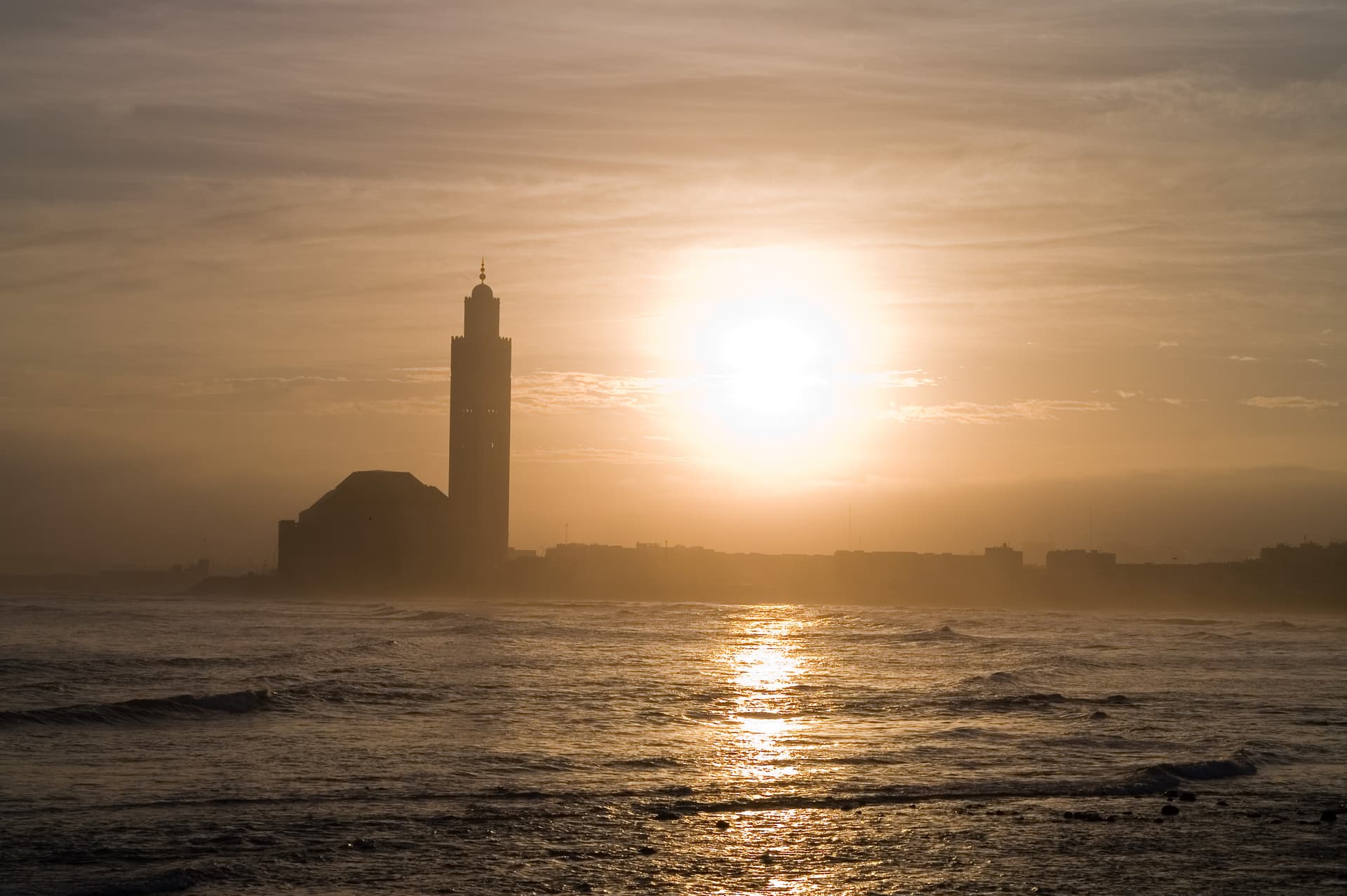 Culture & Heritage
The Hassan II Mosque travel guide begins with the sound of waves breaking beneath an oceanfront minaret and the cool Atlantic air of Casablanca. This mosque is one of the largest in the world and a landmark of modern Moroccan architectur…
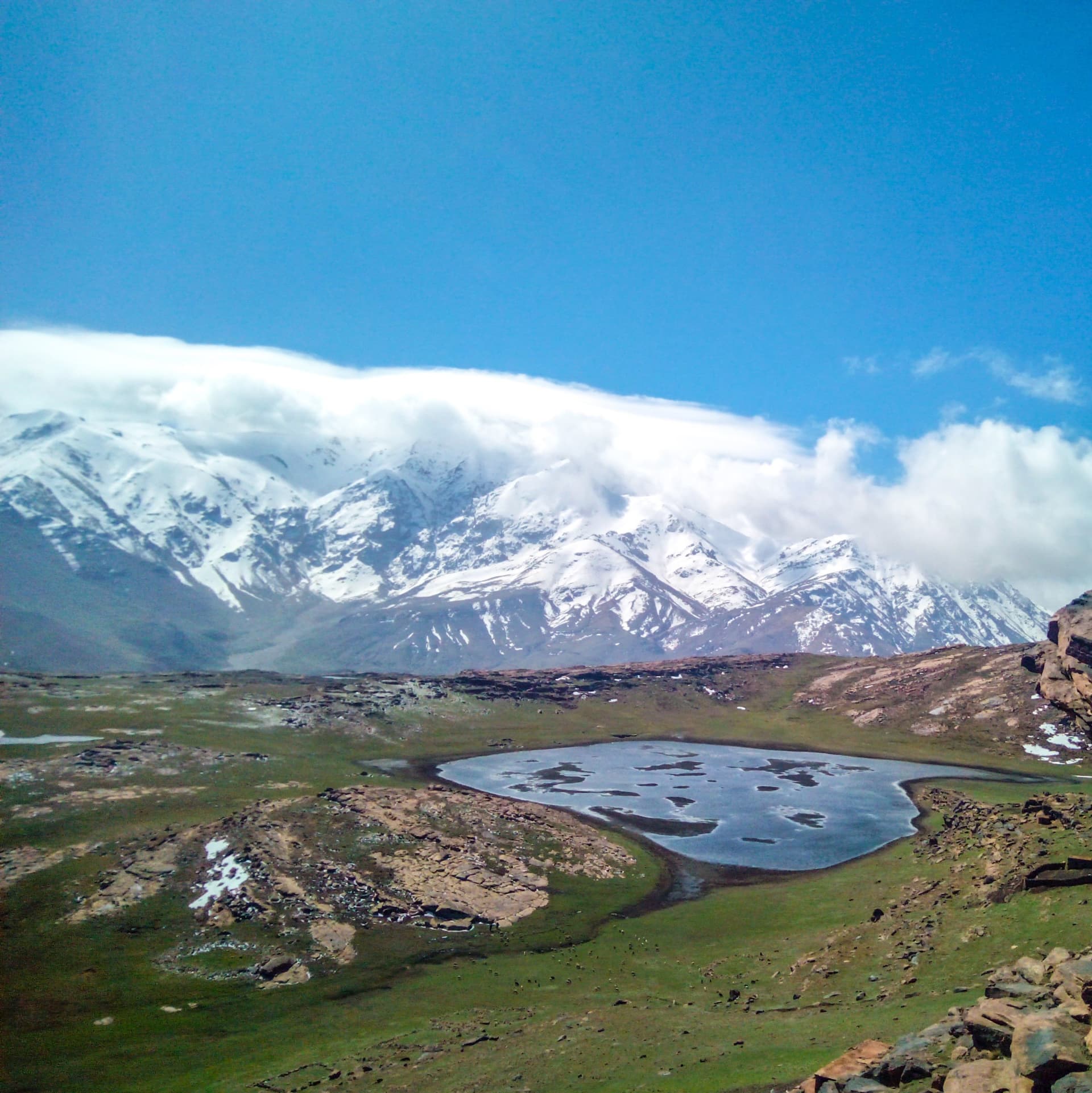 Adventure & Exploration
The High Atlas Mountains travel guide begins with a sunrise over terraced valleys and snow-capped peaks above Marrakech. The High Atlas is Morocco’s dramatic spine, offering trekking, Berber villages and a cool alternative to the country…
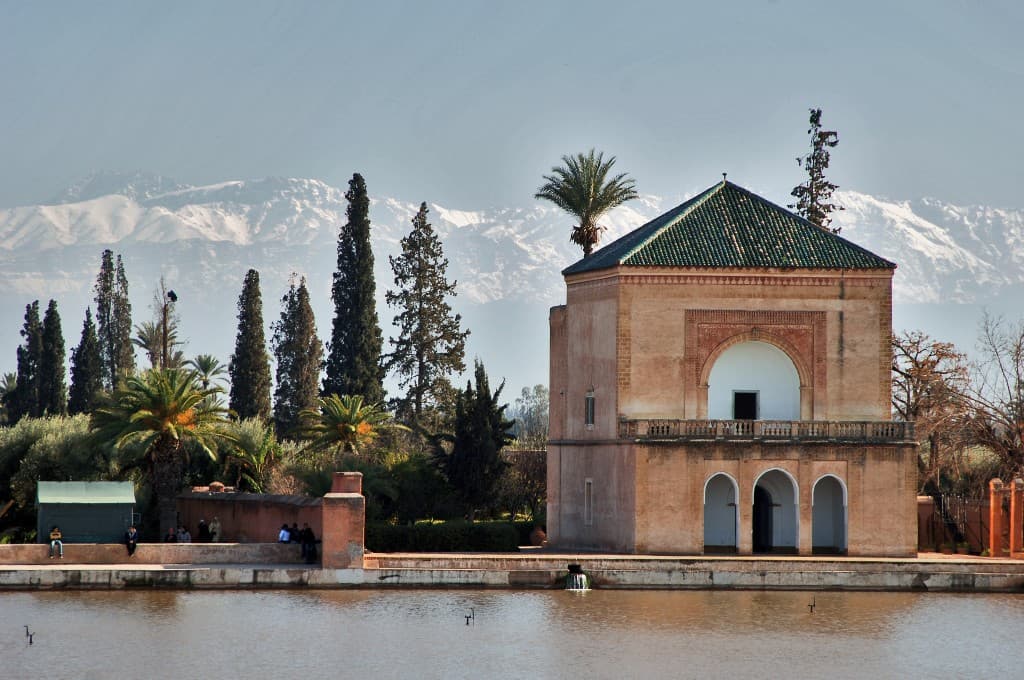 Wildlife & Nature
The sun beats down on the red earth walls of Marrakech Medina, where the air hums with the chatter of merchants and the scent of spices fills every narrow alley. You step through the grand entrance of Bab Agnaou, and suddenly you are in …
 Wildlife & Nature
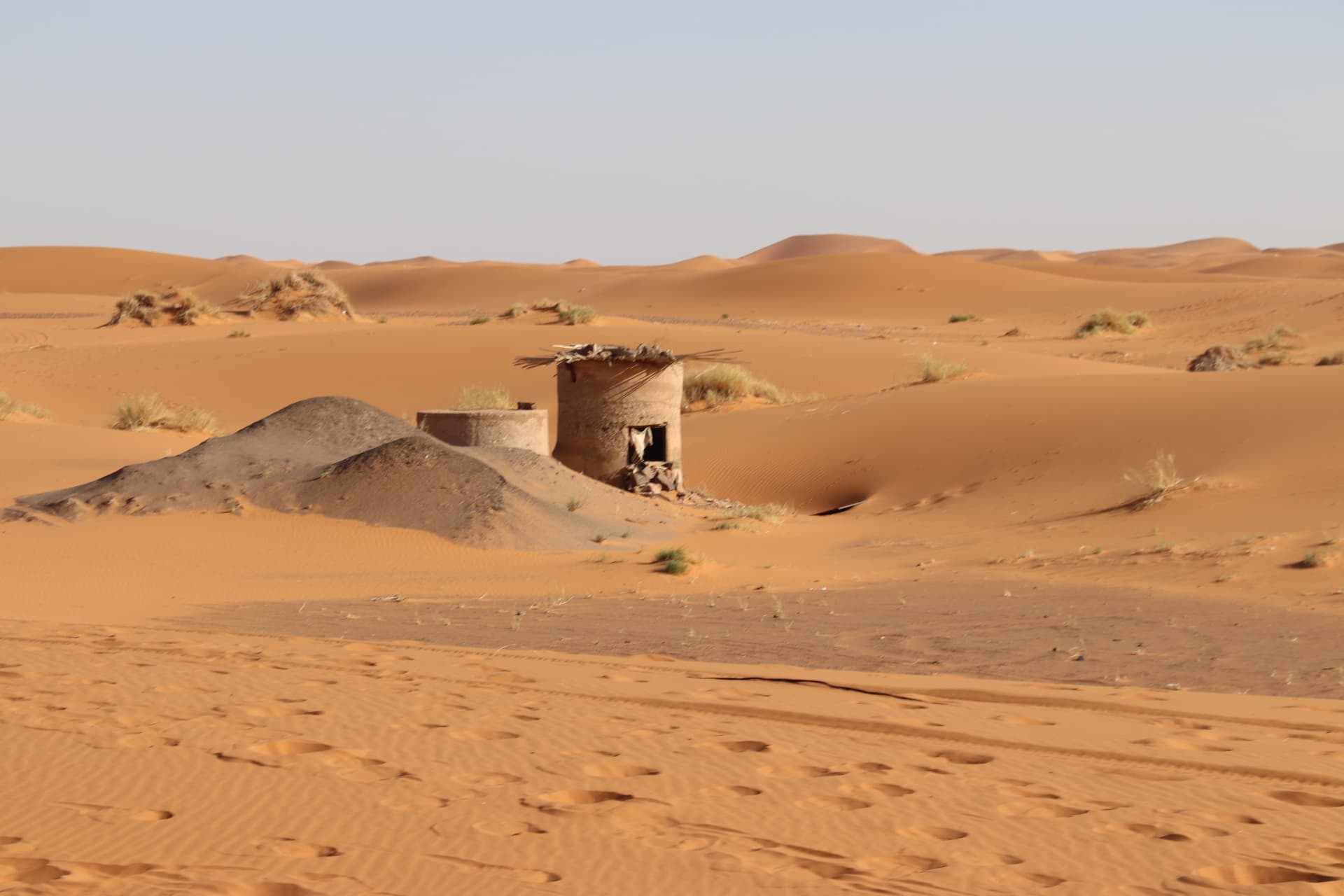
The sun dips low over the Erg Chebbi dunes, painting the golden sands in hues of orange and crimson as the desert cools from its daytime furnace. You stand atop a towering dune, the wind whispering through the ripples of sand that stretc…
Morocco on the map
Hand-picked safaris, beach escapes, and cultural journeys across Morocco.