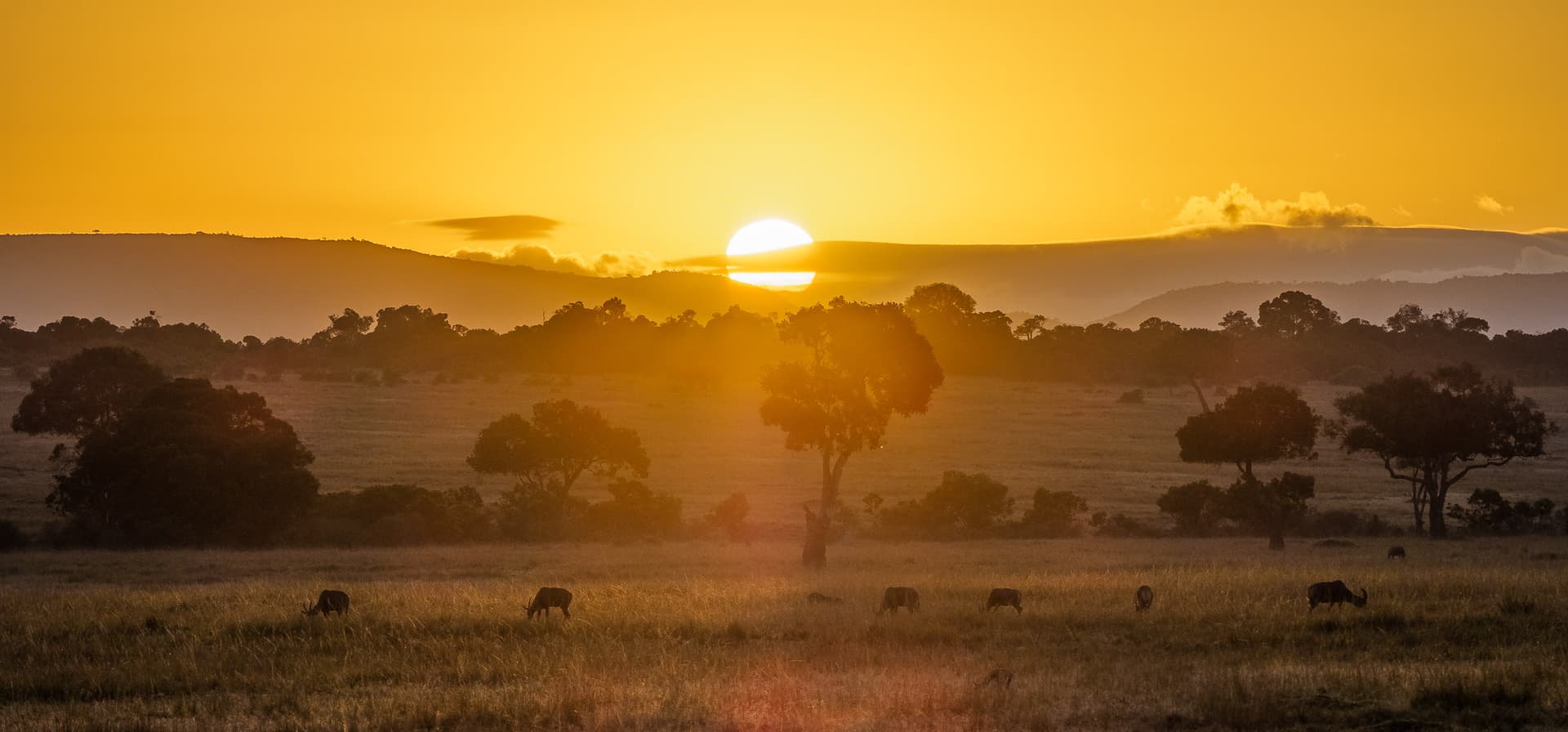
Tanzania holds the Serengeti, Mount Kilimanjaro, the Ngorongoro Crater and the spice islands of Zanzibar, arguably the densest concentration of headline attractions on the continent.
Read more about Tanzania →Capital: Dodoma
Currency: TZS
Best time: June to October for safari; December to March for Zanzibar, calving and diving.
See more →Comfort: 2 levels
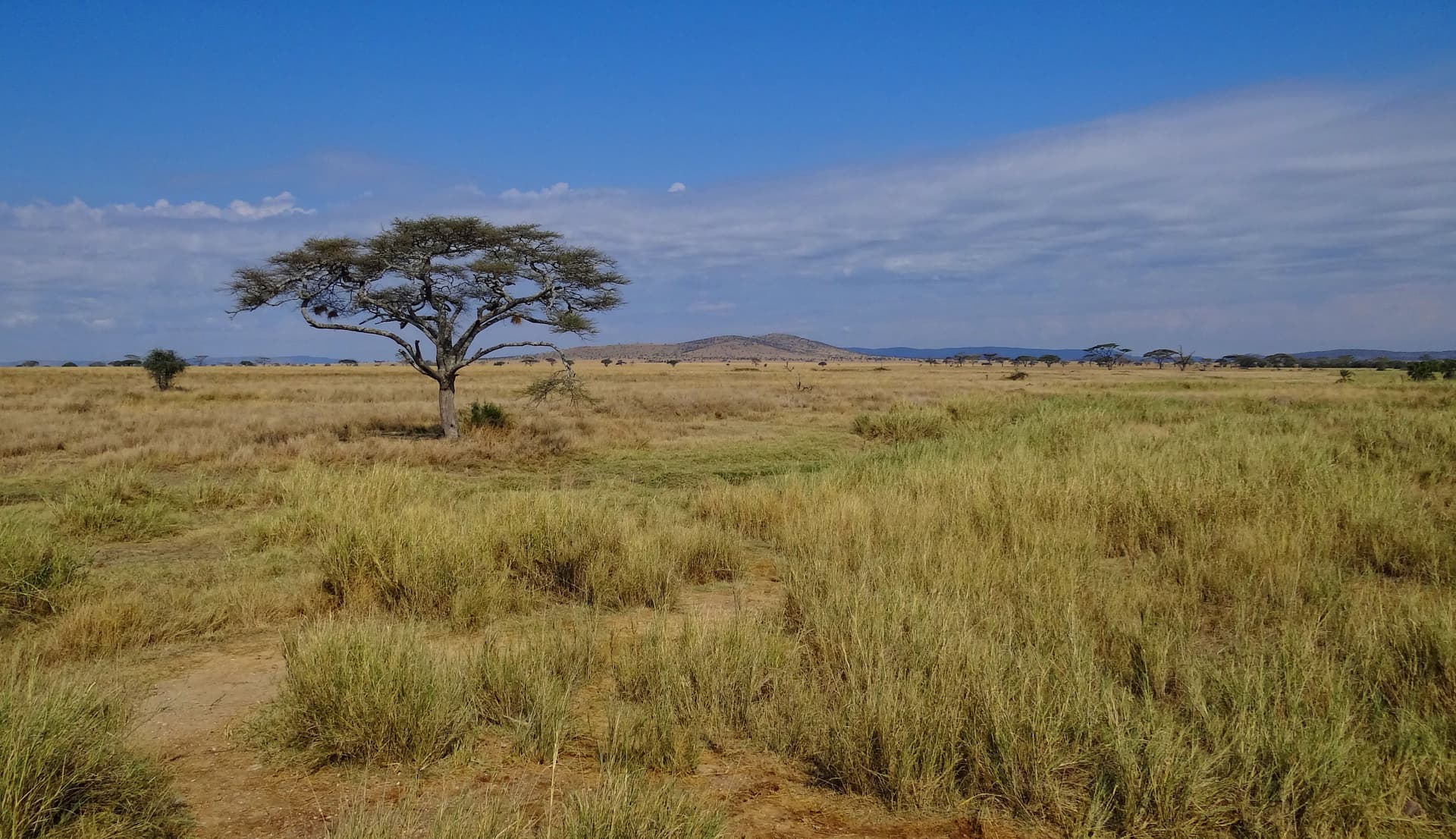
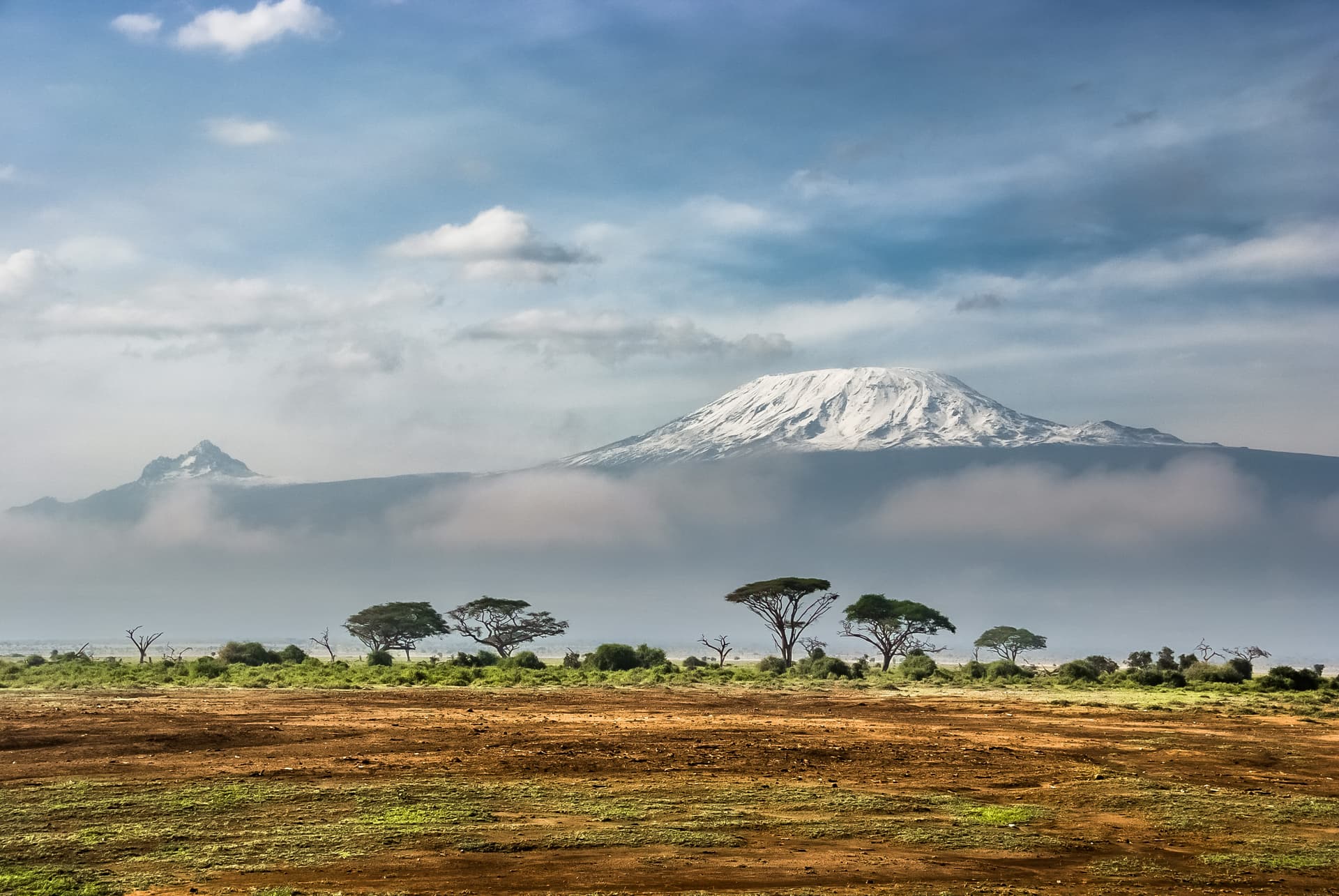
Tanzania holds the Serengeti, Mount Kilimanjaro, the Ngorongoro Crater and the spice islands of Zanzibar, arguably the densest concentration of headline attractions on the continent. The northern circuit links Arusha, Tarangire, Lake Manyara, the Ngorongoro Crater and the Serengeti in a route that can be driven or flown, and it is where most first-time visitors go. The Serengeti alone covers roughly 15,000 km² and hosts the wildebeest migration for most of the year. Kilimanjaro, at… 5,895 m, is the highest free-standing mountain in the world and is walked rather than climbed, which puts the summit within reach of fit trekkers with no technical experience. The southern and western parks, Nyerere (formerly Selous), Ruaha, Katavi and Mahale, see a fraction of the traffic and offer walking safaris, boat safaris and chimpanzee tracking. Zanzibar, Pemba and Mafia sit an hour's flight from the mainland and turn a safari into a beach trip.
Tour operators with published trips in Tanzania.
4 trips listedNo reviews yet
June to October for safari; December to March for Zanzibar, calving and diving. The long dry season, June to October, is the reliable game-viewing window across the whole country and the period when the migration is in the northern Serengeti and crossing the Mara River. Expect peak rates and full camps. Late January to February is the Serengeti calving season on the southern plains, several hundred thousand wildebeest born inside a few weeks, and the concentrated predator activity that follows. Many guides rate it above the river crossings. The long rains run March to May, with April and May the wettest; some camps close and roads in the south and west become hard going, but rates fall and the parks empty out. November brings short rains that rarely disrupt a trip. For Kilimanjaro, the clearest trekking windows are January to mid-March and June to October. Zanzibar is at its best June to October and December to February, and is best avoided in the April–May downpours.
Most visitors need a visa, and Tanzania's eVisa is the recommended route. Apply at the official immigration portal, visa.immigration.go.tz, three to four weeks before departure and travel with a printed copy of the approval. The ordinary single-entry tourist visa is USD 50 for most nationalities. United States passport holders are issued a multiple-entry visa at USD 100, this is a nationality rule, not an upsell, and it is not optional. Visa on arrival remains available to many nationalities at Kilimanjaro, Julius Nyerere and Zanzibar airports, but queues can be long and approval is at the officer's discretion, so the eVisa is the safer option. Your passport must be valid at least six months from the date of entry and hold at least two blank pages. Expect to show a return ticket and proof of accommodation. Zanzibar adds its own requirement: since October 2024 every non-resident visitor must buy mandatory Zanzibar travel insurance, currently USD 44 per adult and half that for children aged 3 to 17, purchased through the Zanzibar Insurance Corporation portal before arrival. This is separate from, and does not replace, your own travel insurance. Confirm current rules for your nationality at visa.immigration.go.tz before booking.
Yellow fever: a certificate is required if you are arriving from, or have transited for more than twelve hours through, a country with risk of yellow fever transmission, which includes most of sub-Saharan Africa. Travellers coming directly from Europe, North America or Asia are not required to show one. Note that a single dose is now considered valid for life; boosters are no longer required and older certificates do not expire. Malaria: risk is present in almost all of the country including the Serengeti, Tarangire, Nyerere, Ruaha and Zanzibar. Prophylaxis is strongly recommended. The Ngorongoro Crater rim and the higher slopes of Kilimanjaro are high enough to be low-risk, but you will pass through risk areas getting there. Commonly recommended: hepatitis A and B, typhoid, tetanus-diphtheria-polio, and rabies for extended rural stays or wildlife work. Practical notes: drink bottled or treated water; altitude sickness is the main medical risk on Kilimanjaro and is managed by choosing a longer route rather than a faster one. Remote camps in the southern parks are a long way from a hospital, so insurance covering emergency air evacuation is essential. Visit a travel clinic four to six weeks before departure.
Places worth building a trip around in Tanzania, from our travel writing.
 Adventure & Exploration
You stand at the base of Mount Kilimanjaro, Africa's highest peak piercing the sky at 5,895 metres. The air carries the scent of equatorial forest, and distant calls of colobus monkeys echo through the mist-shrouded slopes. This dormant …
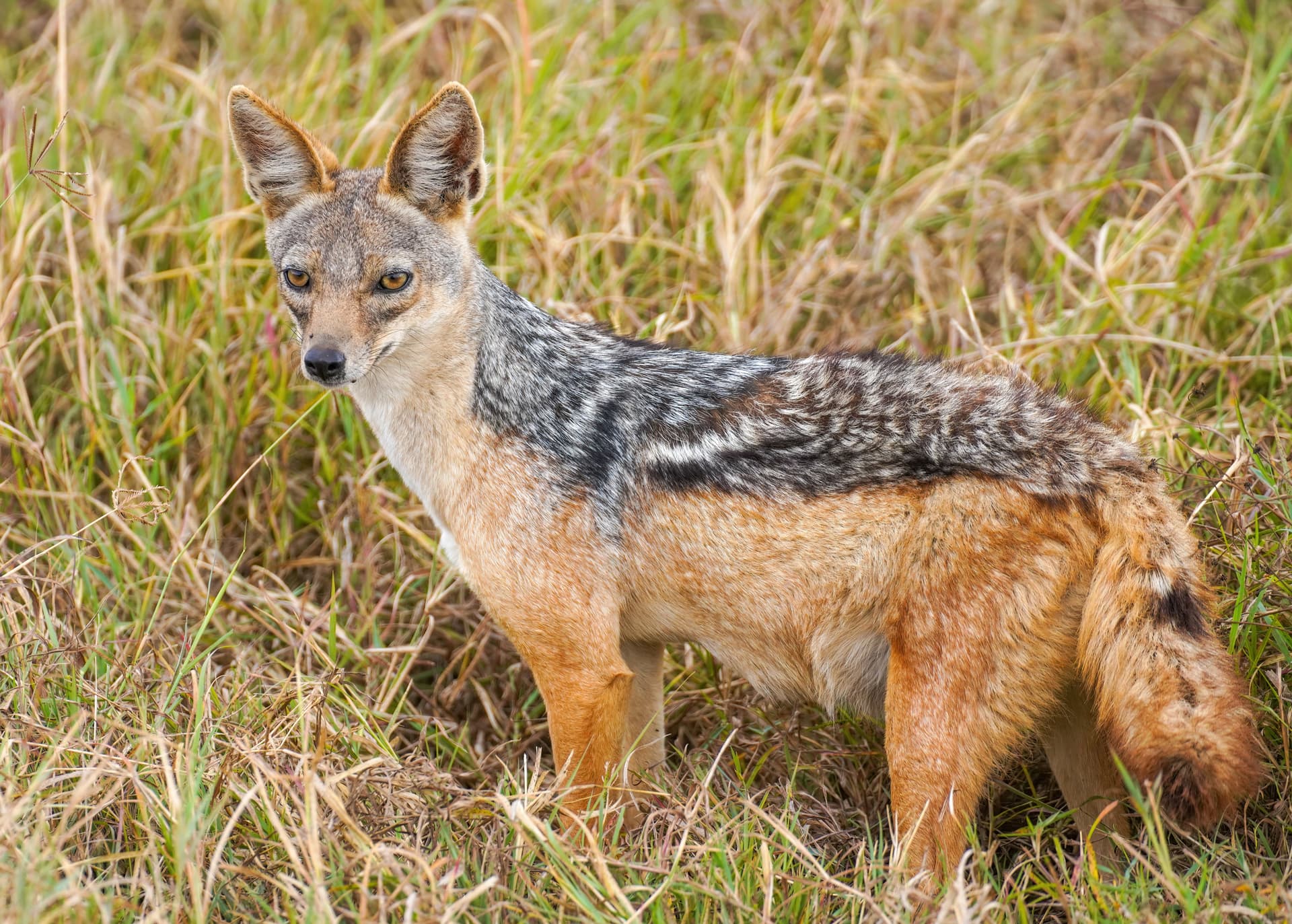 Wildlife & Nature
The air shimmers with the first light of dawn as you stand on the rim of Ngorongoro Crater, the vast caldera unfolding below like a prehistoric amphitheatre carved by ancient gods. Dust devils dance across the floor, where elephants graz…
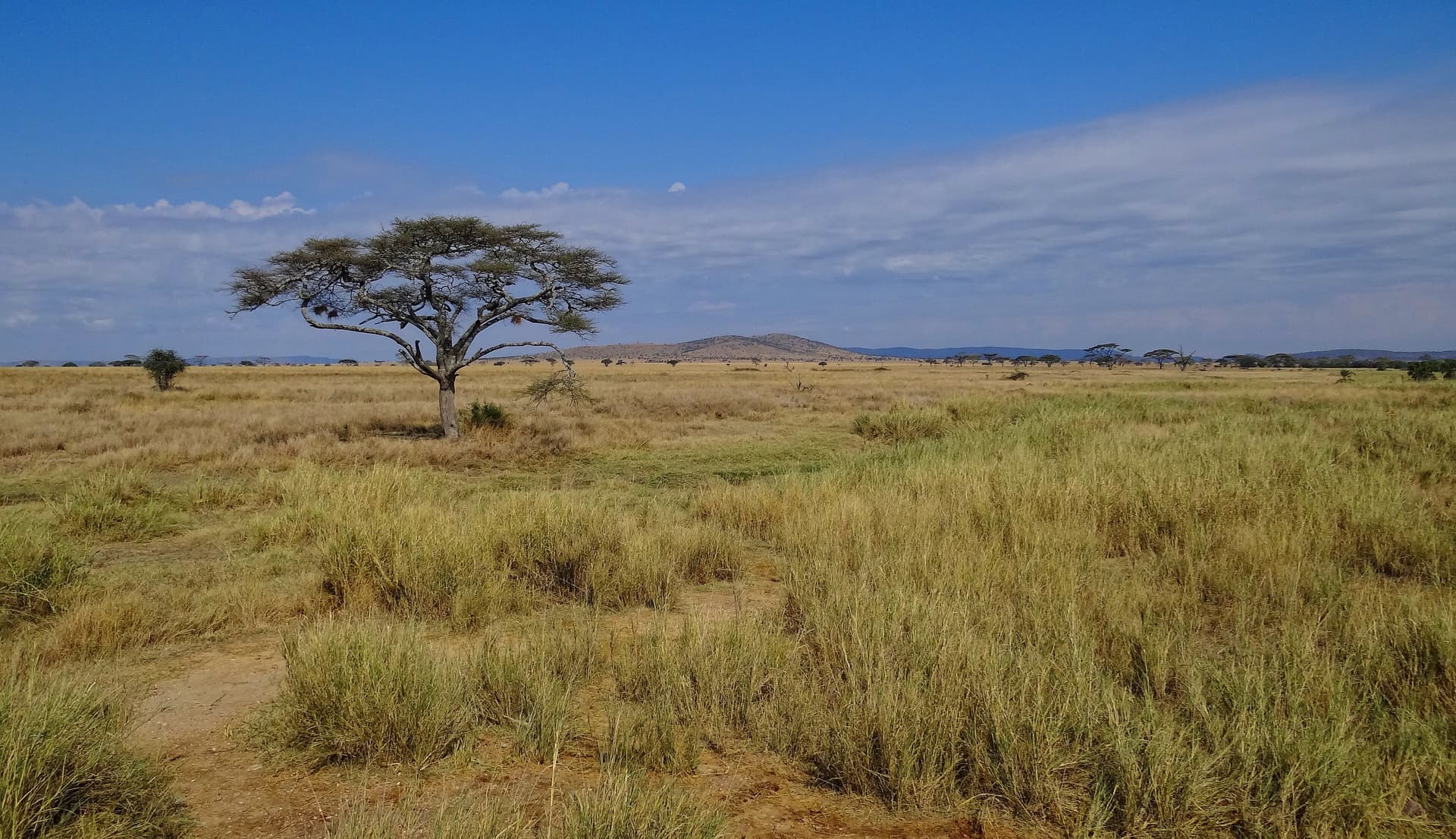 Wildlife & Nature
The sun rises over the endless plains of the Serengeti, painting the sky in hues of orange and gold as a herd of wildebeest thunders across the horizon, their hooves kicking up dust that hangs in the air like a living veil. This is the G…
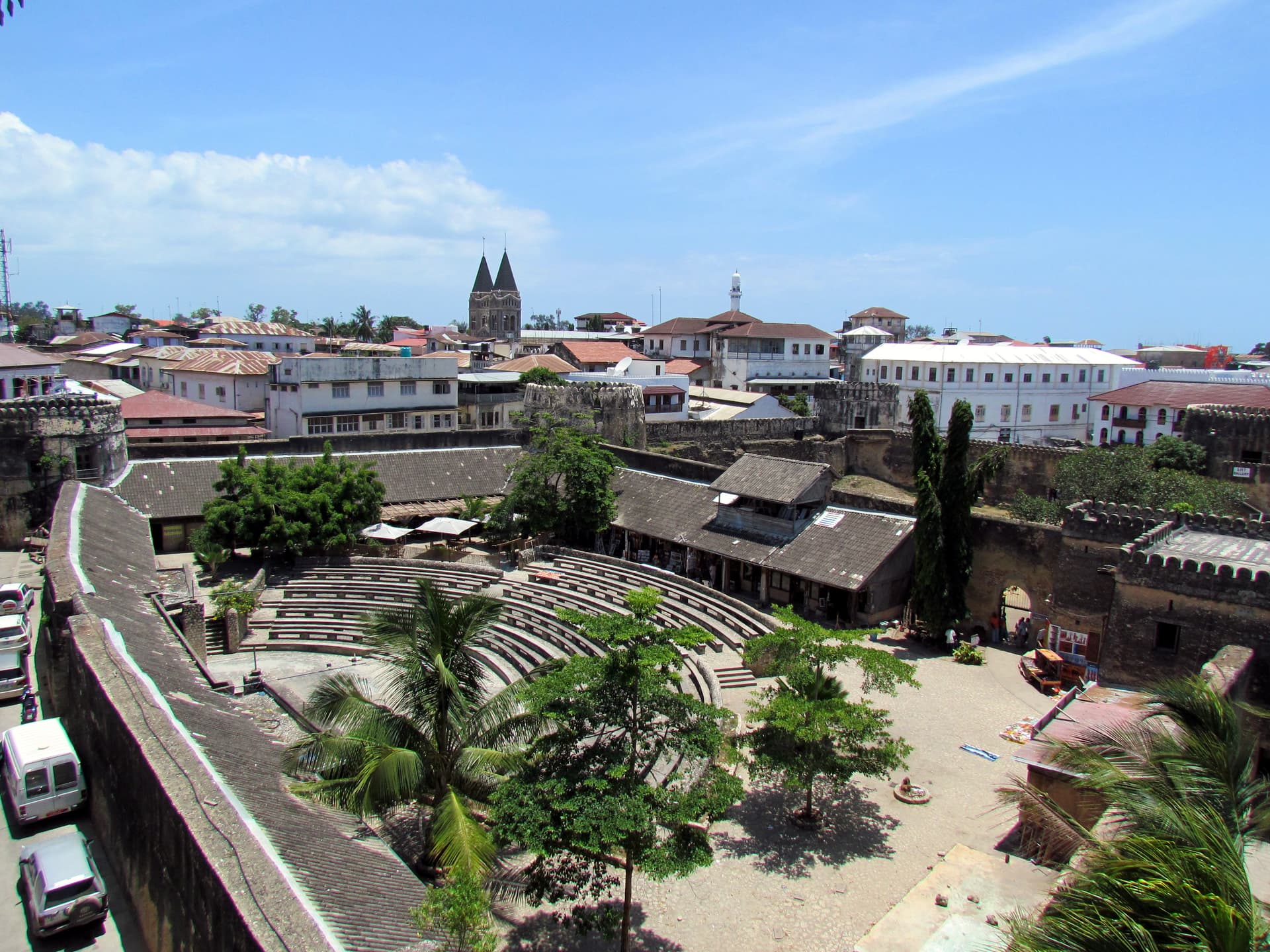 Food & Flavours
You step off the ferry onto the weathered stone quay, and the air fills with the scent of cloves, cardamom, and sea salt. Stone Town, the ancient heart of Zanzibar, unfolds before you like a living museum — narrow alleys twist between co…
Tanzania on the map
Hand-picked safaris, beach escapes, and cultural journeys across Tanzania.