Nigeria is Africa's most populous country and its cultural engine, Nollywood, Afrobeats and a contemporary art market that sets prices for the continent all originate here.
Read more about Nigeria →Capital: Abuja
Currency: NGN
Best time: November to March: the dry season, and the run-up to the December festival period.
See more →Comfort: MID RANGE
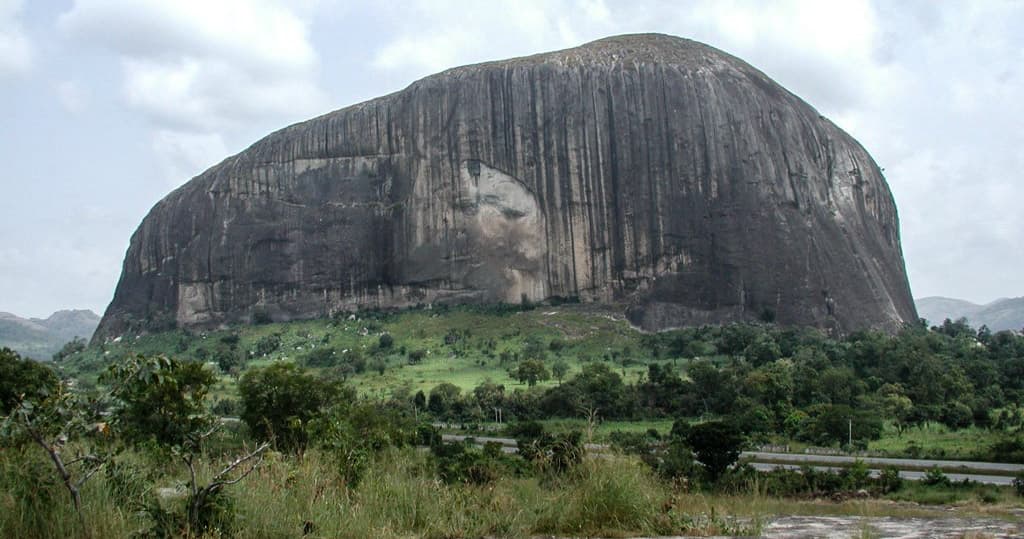
Nigeria is Africa's most populous country and its cultural engine, Nollywood, Afrobeats and a contemporary art market that sets prices for the continent all originate here. Lagos is the centre of gravity: over 20 million people, a nightlife and music scene with no regional equal, the galleries and design studios of Victoria Island and Ikoyi, and the beaches of Lekki and Tarkwa Bay. Abuja, the purpose-built capital, is calmer and greener, with Zuma Rock and… Aso Rock nearby. Calabar in the southeast hosts Africa's largest street carnival each December and is the base for Cross River National Park, one of the most biodiverse rainforests on the continent and home to the critically endangered Cross River gorilla. Yankari in the northeast is the best-known game reserve, with elephant and the Wikki warm spring. Osun-Osogbo Sacred Grove is a UNESCO World Heritage Site and the centre of an annual festival drawing worshippers from across the Yoruba diaspora. Security varies sharply by region and shapes any itinerary; the northeast, northwest and parts of the middle belt are subject to travel restrictions.
November to March: the dry season, and the run-up to the December festival period. The dry season runs November to March across most of the country and is the practical travel window: minimal rain, reliable roads and the most comfortable humidity in the south. In the north the harmattan blows from December to February, dropping temperatures and hazing the air with Saharan dust. December is the cultural peak. The Calabar Carnival runs through the month, Lagos fills with the diaspora for what has become known as Detty December, and the concert and events calendar is at its densest. Book flights and accommodation well ahead: prices rise steeply. The Osun-Osogbo festival falls in August, which is in the rains but is the one event worth planning around regardless. The wet season runs roughly April to October, heaviest from June to September, and is far more pronounced in the south, Lagos and the Niger Delta get sustained heavy rain and flooding is common. The north is drier and shorter. For Yankari, the dry months from December to April concentrate wildlife at water.
Nigeria requires a visa from most nationalities and the rules changed materially in 2025. Older advice is out of date. Visa on arrival was discontinued for most travellers in May 2025. All eligible visitors must now apply for an eVisa in advance through the official portal at evisa.immigration.gov.ng. Applications are generally processed within a few working days and the approval is presented on arrival. You will need a passport valid at least six months with blank pages, a passport photo, proof of accommodation or an invitation letter, a return ticket, evidence of funds, and, mandatory, your yellow fever vaccination certificate. A second requirement is easy to miss and applies to everyone: all passengers must complete a digital landing card within 72 hours before arrival through the Nigeria Immigration Service portal, and a digital exit card within 72 hours before departure. Airlines check for these. ECOWAS nationals enter without a visa. Security restrictions apply to the northeast (Borno, Yobe, Adamawa), the northwest and parts of the middle belt and the Niger Delta. Check your government's advice alongside the visa position.
Yellow fever: vaccination is mandatory for entry and the certificate is required at the eVisa stage and checked on arrival. Yellow fever is present throughout Nigeria, so this is a genuine public health measure rather than a formality. Get vaccinated at least ten days before arrival. Malaria: risk is high and year-round in all regions including Lagos and Abuja. Nigeria accounts for a substantial share of global malaria cases. Prophylaxis is essential for every visitor. Commonly recommended: hepatitis A and B, typhoid, tetanus-diphtheria-polio, meningococcal (the northern states lie in the meningitis belt), cholera for some itineraries, and rabies for rural travel. Lassa fever occurs seasonally, mainly in the dry months and mainly in rural areas. Avoid contact with rodents and food stored where rodents can reach it. Cholera outbreaks are frequent. Drink bottled or sachet water only. Be careful with food outside established restaurants. Medical facilities vary enormously. Lagos and Abuja have good private hospitals; care elsewhere is limited and public facilities are under-resourced. Road traffic accidents are a leading cause of serious injury to visitors. Avoid road travel after dark. Carry insurance including air evacuation. See a travel clinic six weeks ahead.
Nigeria on the map
Hand-picked safaris, beach escapes, and cultural journeys across Nigeria.