Egypt holds the densest concentration of monumental antiquity anywhere on earth, and almost all of it sits within a few kilometres of one river.
Read more about Egypt →Capital: Cairo
Currency: EGP
Best time: October to April: mild enough for full days at the sites, with November to February the pick.
See more →Comfort: MID RANGE
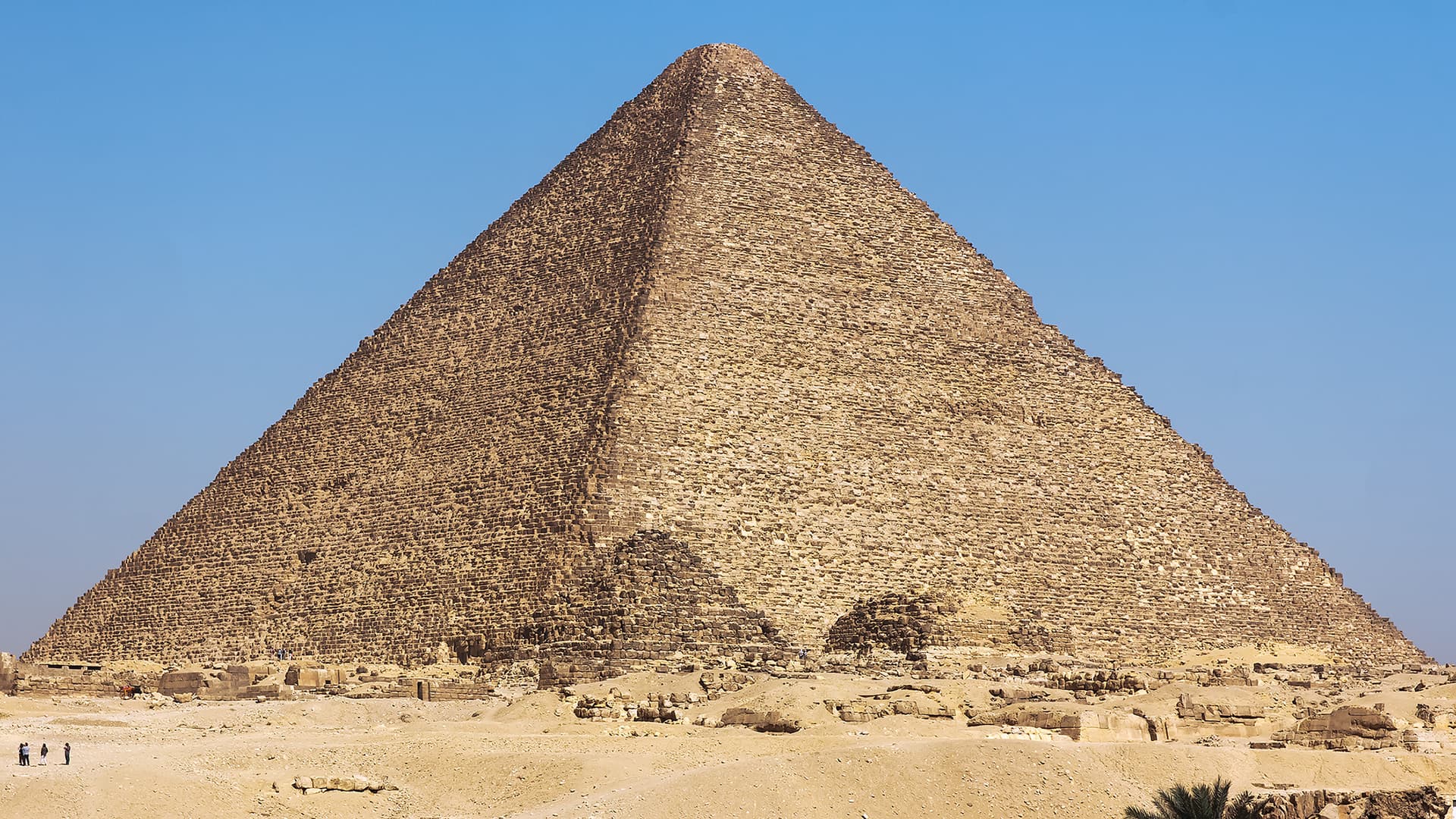
Egypt holds the densest concentration of monumental antiquity anywhere on earth, and almost all of it sits within a few kilometres of one river. The Giza plateau outside Cairo holds the last surviving wonder of the ancient world, and the Grand Egyptian Museum beside it, the largest archaeological museum ever built, now houses the complete Tutankhamun collection. Upstream, Luxor is built over ancient Thebes: Karnak, the Valley of the Kings, Hatshepsut's terraced temple at Deir… el-Bahari. Abu Simbel, near the Sudanese border, was cut into blocks and relocated in the 1960s to save it from Lake Nasser. The Nile cruise between Luxor and Aswan remains the classic way to link them, three or four nights stopping at Edfu, Kom Ombo and Esna. Beyond the river, the Red Sea coast at Sharm el-Sheikh, Hurghada and Marsa Alam has world-class reef diving, and the Western Desert holds the White Desert and Siwa Oasis.
October to April: mild enough for full days at the sites, with November to February the pick. This is a heat-driven calendar rather than a wet one. From October to April, Luxor and Aswan sit at a comfortable 22–28°C and you can spend a full day at Karnak or in the Valley of the Kings without it becoming an endurance exercise. November to February is the sweet spot: the coolest, clearest weather, though desert nights get genuinely cold and Cairo can be chilly. December and January are peak season around Christmas and New Year, with the highest prices and the busiest sites. Late February to April is quieter and still comfortable. May to September is severe. Upper Egypt regularly passes 40°C and the Valley of the Kings, an unshaded limestone bowl, becomes punishing by mid-morning. If you must travel then, start at dawn and stop by eleven. The compensations are much lower prices and near-empty temples. The khamsin wind blows sand through March and April. The Red Sea resorts stay pleasant year-round, with the warmest water from June to October.
Most nationalities, including the United States, United Kingdom, EU, Canada and Australia, require a tourist visa, and there are three routes. The official eVisa portal at visa2egypt.gov.eg is the recommended one: apply around a week before travel, currently USD 25 for single entry, valid for 30 days. Use the government site rather than any of the commercial lookalikes. Visa on arrival is available at Cairo, Luxor, Aswan, Hurghada and Sharm el-Sheikh, bought at a bank kiosk in the arrivals hall before immigration for around USD 25 in cash. This is quick and reliable, but bring clean US dollar notes. There is also a Sinai-only exemption: travellers flying into Sharm el-Sheikh, Taba or St Catherine and staying within the South Sinai resorts for up to 15 days can receive a free entry stamp. It does not cover travel to Cairo or Luxor, so if you plan a pyramids day trip you need the full visa. A passport valid at least six months beyond arrival is required. Egypt has at times waived visa fees seasonally at Luxor and Aswan, worth checking. Confirm at visa2egypt.gov.eg before booking.
Yellow fever: a certificate is required only if you are arriving from, or have transited through, a country with risk of yellow fever transmission. Relevant if you are routing through sub-Saharan Africa. Not required for arrivals from Europe or North America. Malaria: Egypt is effectively malaria-free and no prophylaxis is needed. Commonly recommended: hepatitis A and B, typhoid, tetanus-diphtheria-polio, and rabies for longer stays or rural travel. The realistic risk here is gastrointestinal rather than exotic. Traveller's diarrhoea is extremely common and is what actually disrupts trips. Drink bottled water with an intact seal, use it for brushing teeth, skip ice in cheaper establishments, avoid salads and unpeeled fruit outside good hotels, and be cautious with buffet food that has been standing. Carry oral rehydration salts. Heat and sun are the other genuine hazard: heatstroke at the Giza plateau and in the Valley of the Kings sends visitors to hospital every summer. Carry more water than you expect to need, wear a hat and start early. Medical care is good in Cairo and the main resorts. Divers on the Red Sea should confirm their insurance covers diving and check the location of the nearest decompression chamber. See a travel clinic four weeks ahead.
Places worth building a trip around in Egypt, from our travel writing.
 Culture & Heritage
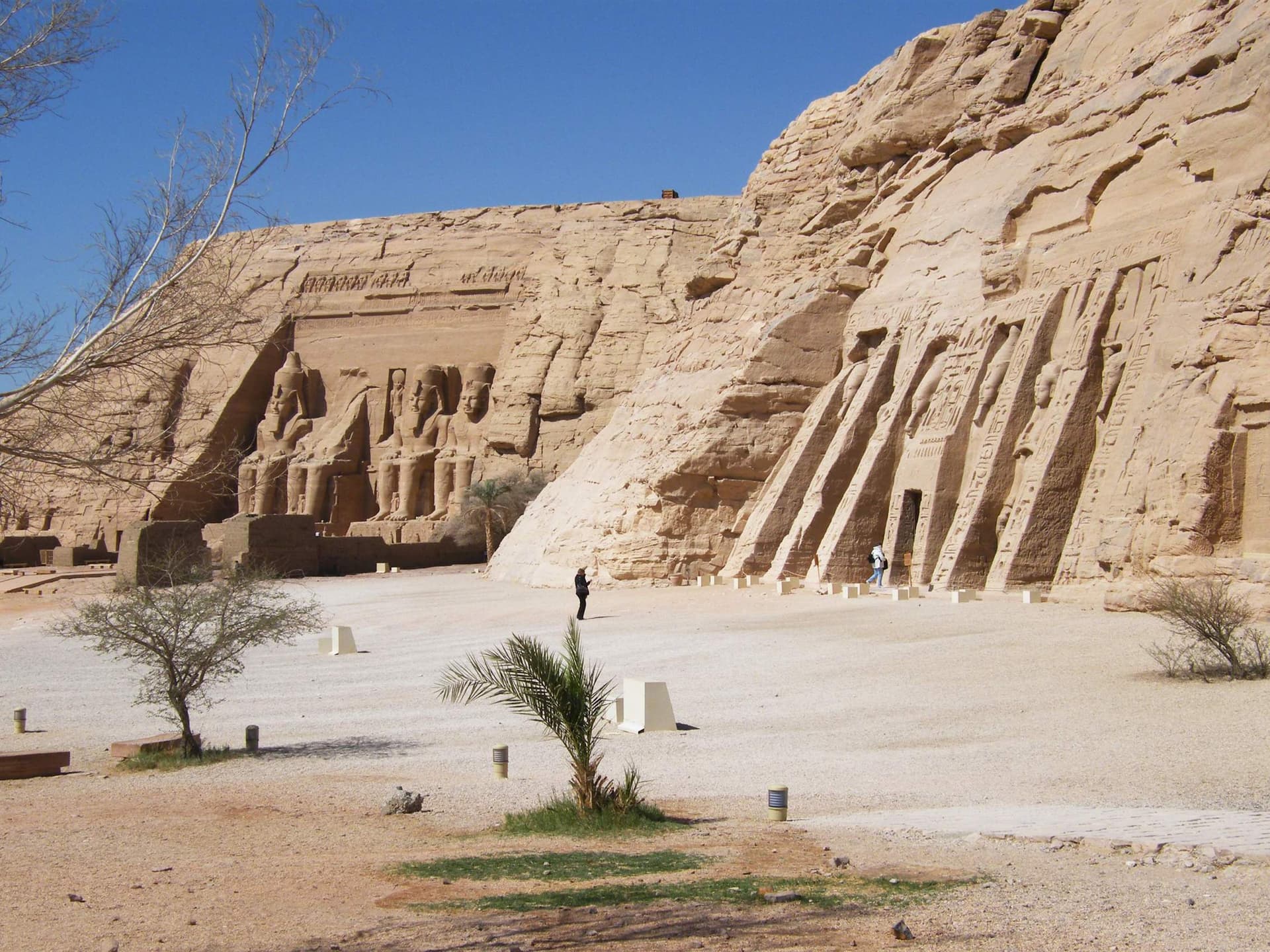
As the first rays of the Egyptian sun pierce the desert horizon, you stand before the colossal statues of Ramses II, their stone faces gazing eternally across the Nile. Abu Simbel, a testament to ancient engineering and divine ambition, …
 Adventure & Exploration
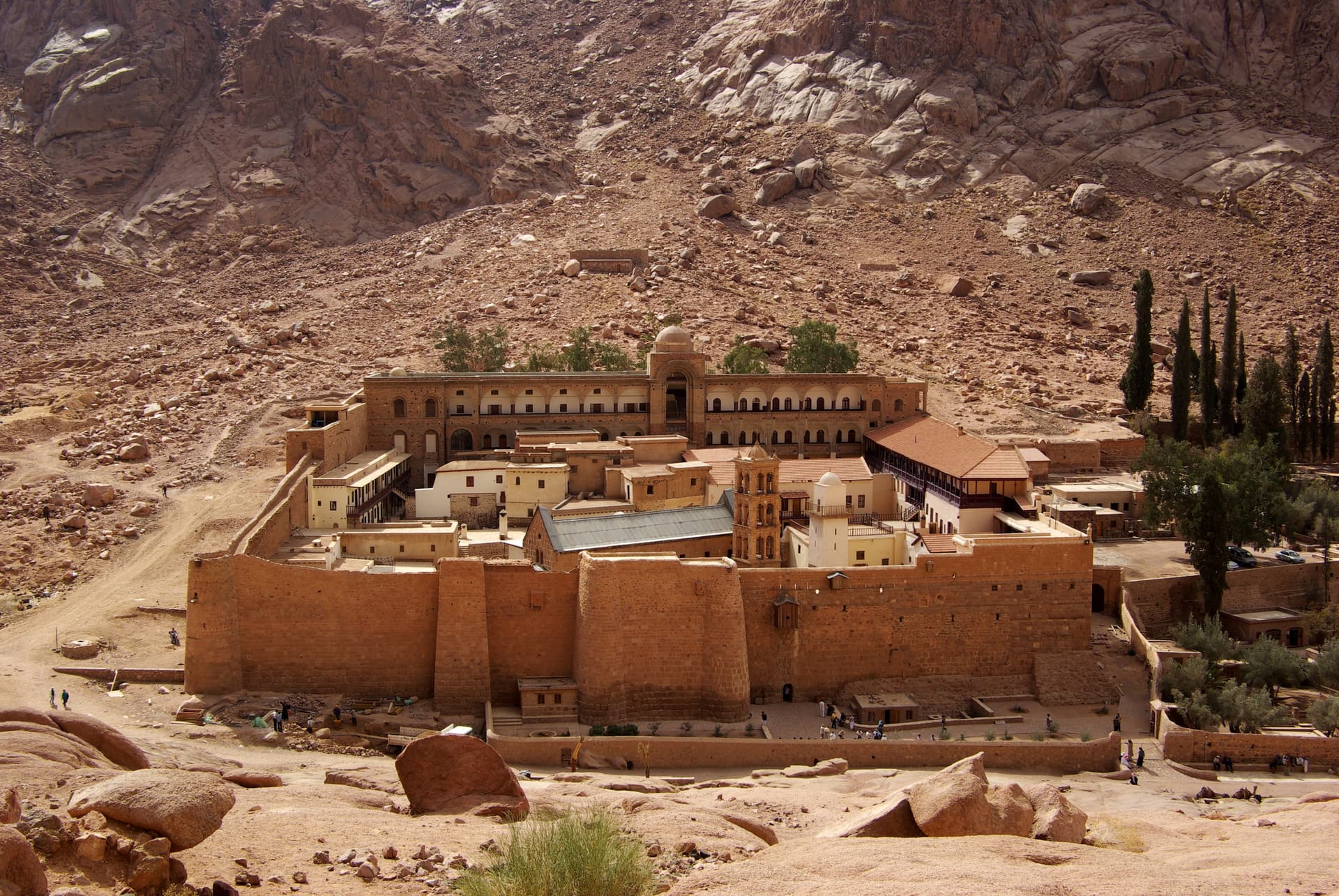
The predawn darkness over Jebel Musa is absolute — no street lamps, no city glow, only a trail of torch lights snaking upward through cold granite air. By the time you reach the summit of Mount Sinai, the horizon begins to burn, and a si…
 Culture & Heritage
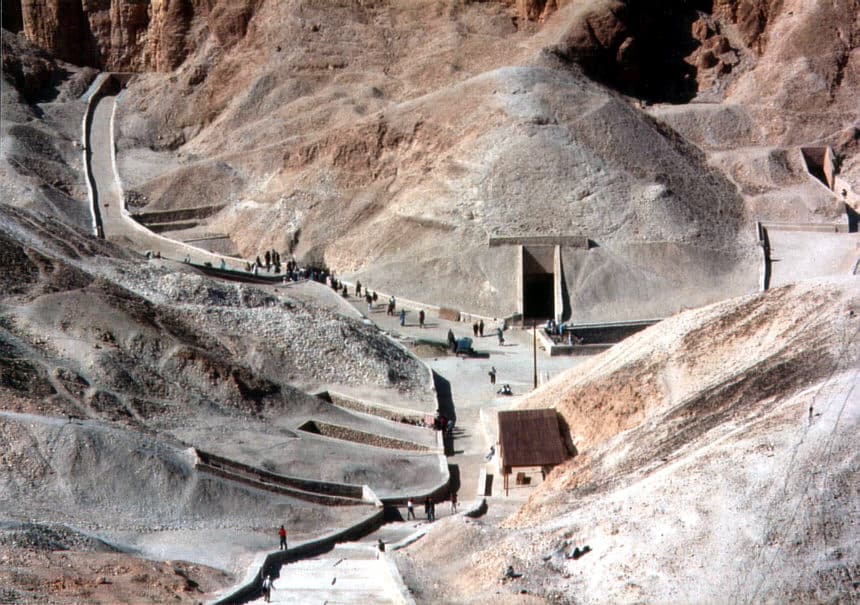
You step into a narrow valley carved from the golden limestone cliffs of the Theban Hills, where the air carries the scent of ancient dust and the whispers of pharaohs long gone. The Valley of the Kings, a UNESCO World Heritage site on E…
 Wildlife & Nature
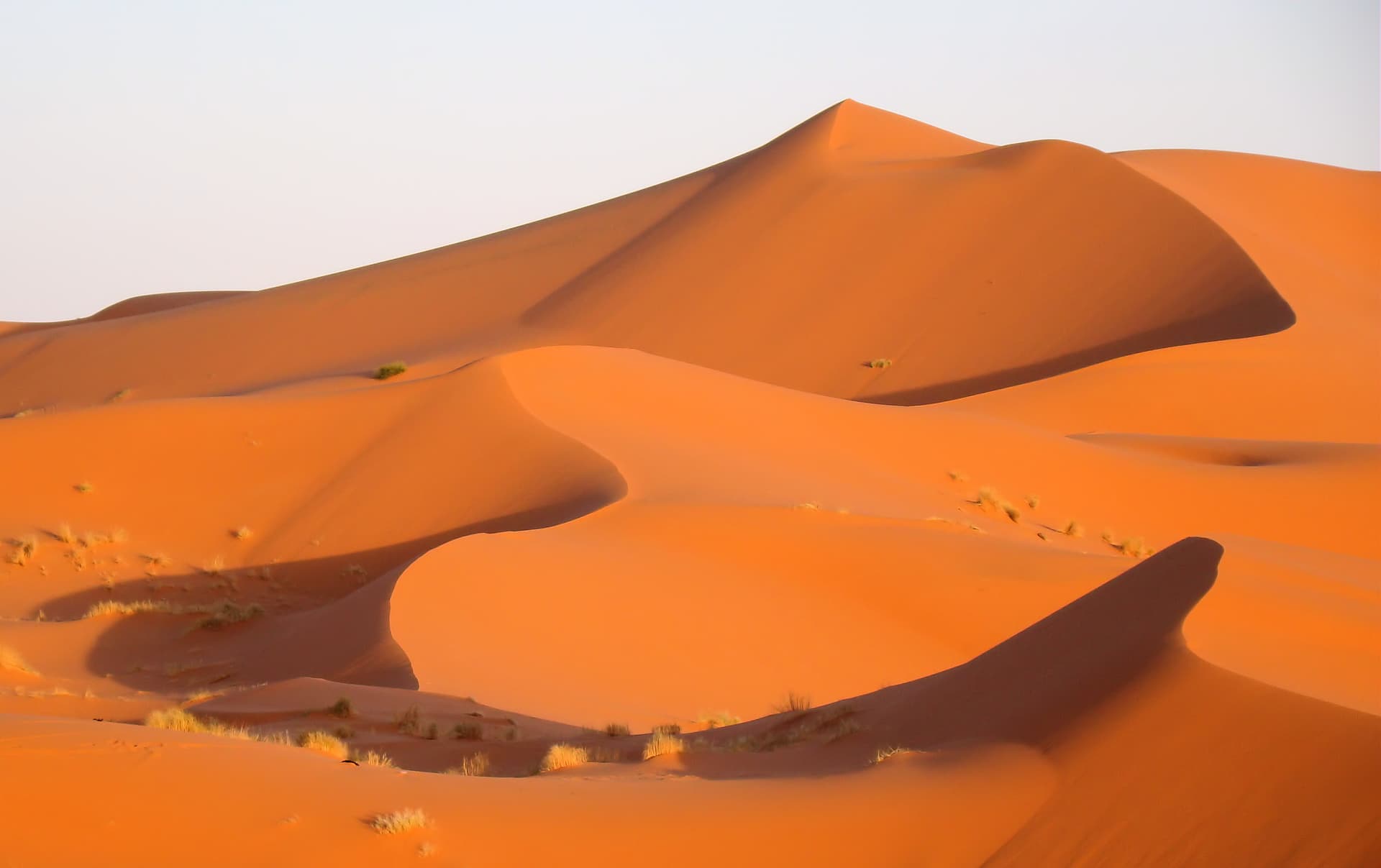
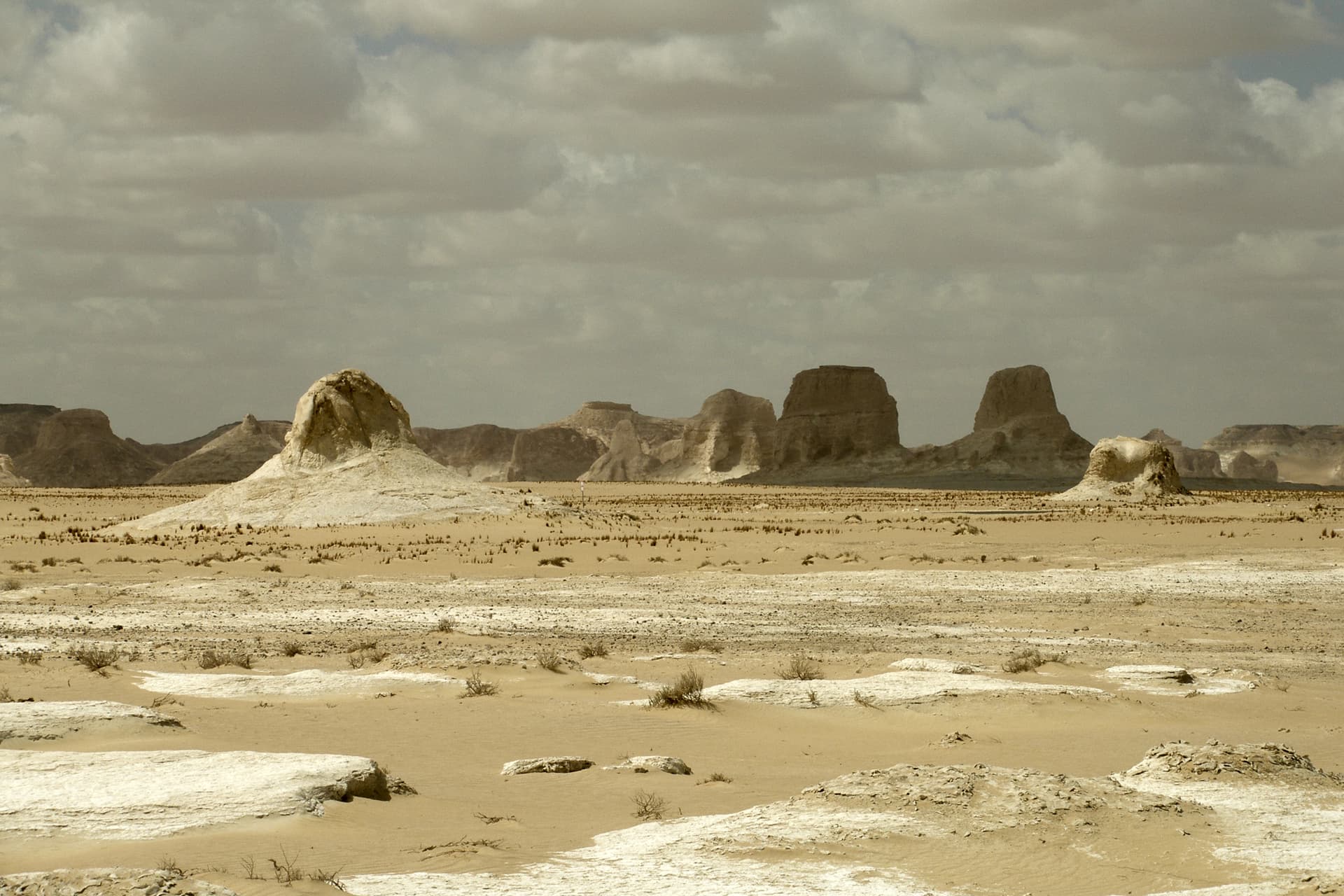
Nothing in Egypt quite prepares you for the White Desert. Not the pyramids, not the temples along the Nile, not the reefs of the Red Sea. This is a landscape from another planet — a vast pale plain strewn with chalk sculptures worn by mi…
Egypt on the map
Hand-picked safaris, beach escapes, and cultural journeys across Egypt.