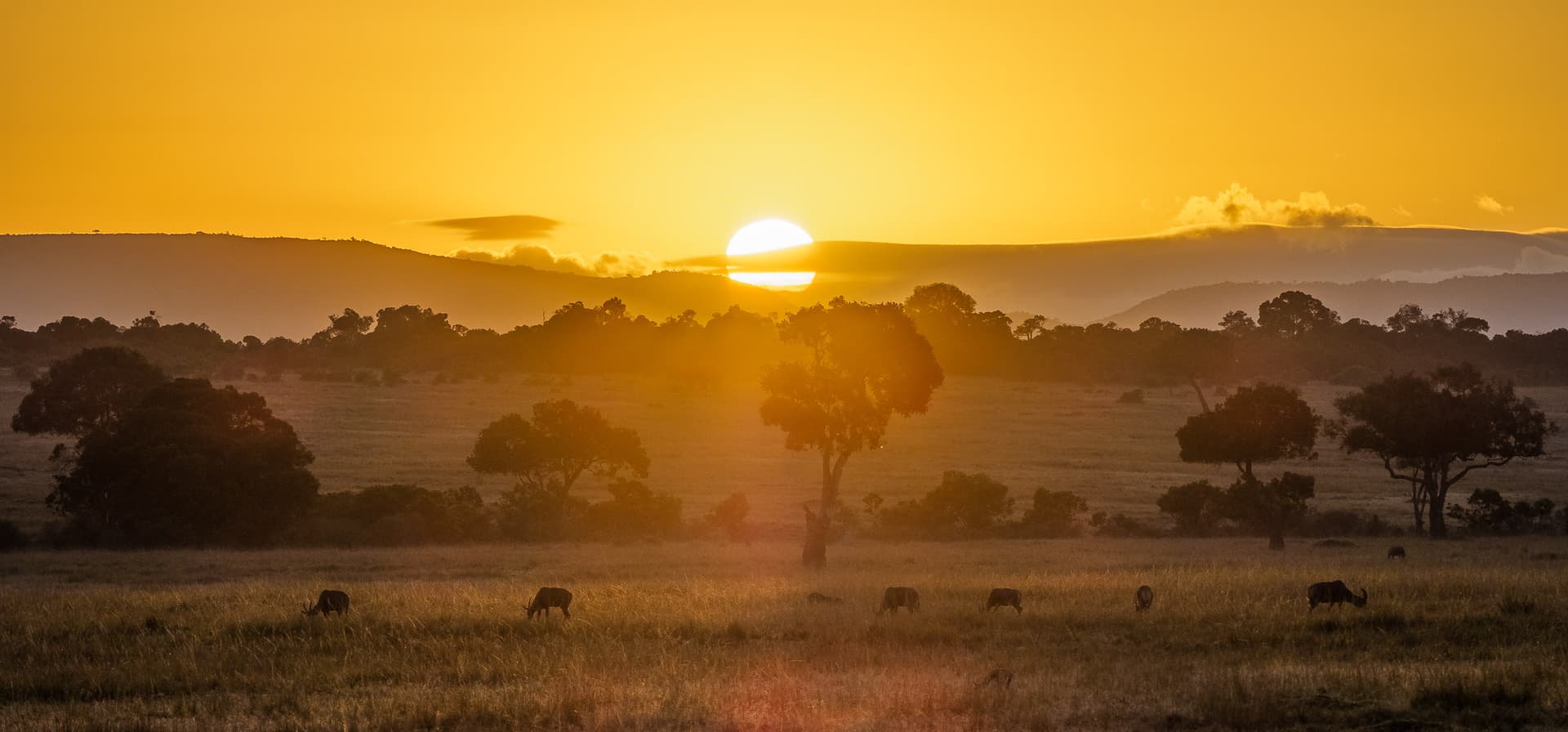
Kenya is East Africa's most established safari destination, holding the Masai Mara, the Great Rift Valley, Mount Kenya and 536 km of Indian Ocean coastline inside a single country.
Read more about Kenya →Capital: Nairobi
Currency: KES
Best time: July to October for the Great Migration; January to February for dry-season game viewing and calving.
See more →Comfort: 2 levels
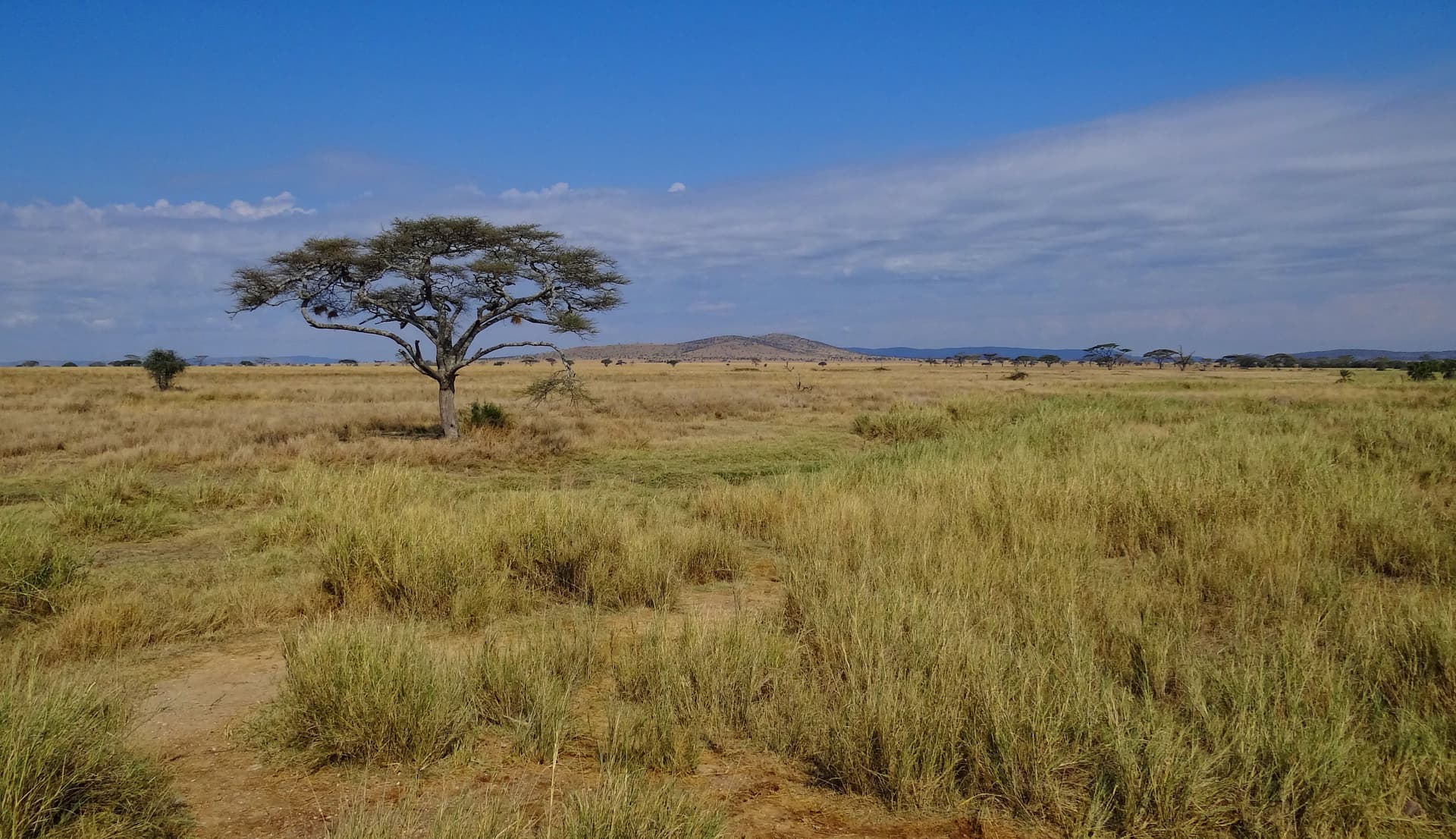
Kenya is East Africa's most established safari destination, holding the Masai Mara, the Great Rift Valley, Mount Kenya and 536 km of Indian Ocean coastline inside a single country. The Mara is the headline: between July and October more than 1.5 million wildebeest cross the Mara River from the Serengeti, and the reserve holds the Big Five year-round across 1,500 km² of open savanna. Beyond it, Amboseli frames elephant herds against Kilimanjaro, Samburu in the… arid north holds species found nowhere further south, and Lake Nakuru and Lake Naivasha anchor the Rift Valley circuit. Most itineraries pair a bush leg with the coast. Diani, Watamu and Lamu sit two hours' flight from the Mara, which makes a seven- to ten-day safari-and-beach combination the standard Kenya trip. Nairobi is the regional aviation hub, so internal light-aircraft transfers between camps are frequent and well organised.
Tour operators with published trips in Kenya.
4 trips listedNo reviews yet
July to October for the Great Migration; January to February for dry-season game viewing and calving. The long dry season runs June to October. Grass is short, water is scarce and animals concentrate at rivers and waterholes, which makes this the strongest window for general game viewing as well as the migration river crossings. It is also peak season: Mara camps book out six to twelve months ahead and rates are at their highest. January and February form a shorter dry spell that many operators rate as the best value in the calendar, excellent visibility, newborn plains game, far fewer vehicles at sightings. The long rains fall March to May and the short rains in November. Green-season rates drop sharply, birding is at its best and the landscape is spectacular, but some tracks become difficult and a few seasonal camps close. The coast reverses this pattern: December to March is the prime beach and diving window, while June to August stays comfortable and dry.
Kenya no longer issues tourist visas. Since 2024 every visitor, including nationals of countries that were previously visa-exempt, must hold an approved Electronic Travel Authorisation (eTA) before boarding. Apply at the official portal, etakenya.go.ke, and nowhere else. Processing is normally within three working days, but apply at least two weeks out. Approval is checked at the airline gate, not on arrival, so a pending application means being turned away at check-in. You will be asked for a passport valid at least six months beyond arrival with blank pages for stamps, confirmed accommodation or an itinerary, and a return or onward ticket. Nationals of most African Union member states enter without an eTA under Kenya's 2024 open-skies policy; East African Community citizens continue to travel on national ID. If your trip also takes in Uganda or Rwanda, the East Africa Tourist Visa covers all three countries on one multiple-entry permit and is usually cheaper than three separate entries. Requirements change without much notice. Confirm what applies to your own passport on etakenya.go.ke before you book flights.
Yellow fever: a vaccination certificate is required if you are arriving from, or have transited for more than twelve hours through, a country with risk of yellow fever transmission. It is not required for travellers arriving directly from Europe, North America or Asia, though many operators still recommend it for regional overland travel. Malaria: prophylaxis is advised for all areas below about 2,500 m, which covers every major park including the Masai Mara, Amboseli, Tsavo, Samburu and the entire coast. Nairobi and the central highlands are low-risk. Start your course before arrival and pair it with repellent, long sleeves after dusk and the nets supplied by camps. Commonly recommended: hepatitis A and B, typhoid, tetanus-diphtheria-polio, and rabies for anyone spending time near wildlife or well outside towns. Meningococcal vaccine is sometimes advised for longer stays in the north. Practical notes: drink bottled or filtered water, medical facilities in Nairobi and Mombasa are good but remote camps are hours from a hospital, and comprehensive insurance including emergency air evacuation is standard practice for safari travel here, most operators require it. See a travel clinic six to eight weeks before departure; some courses need multiple doses.
Places worth building a trip around in Kenya, from our travel writing.
 Wildlife & Nature
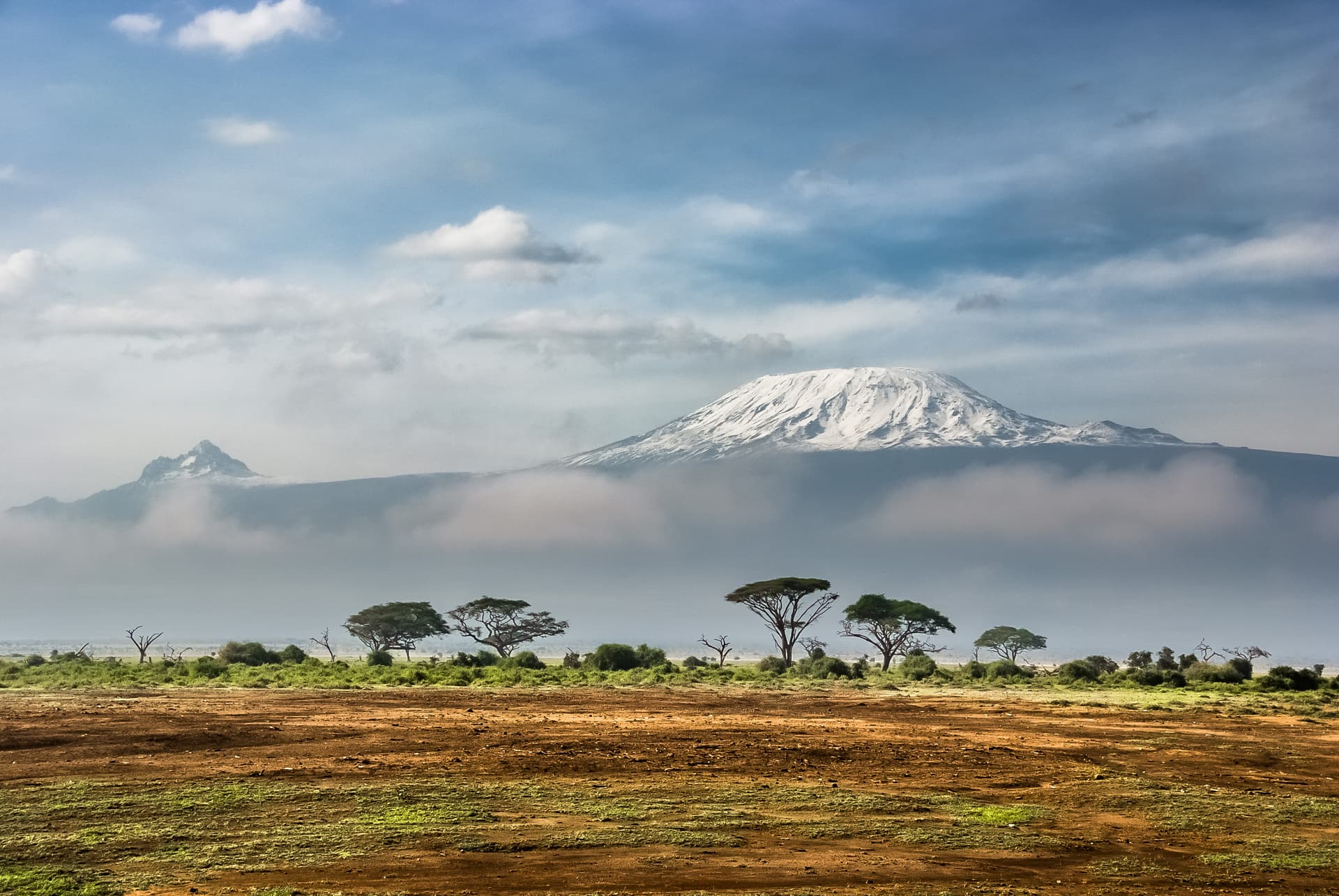
The golden hour paints Amboseli National Park in hues of amber and crimson, as a herd of elephants ambles across the cracked earth towards a distant waterhole. Kilimanjaro looms in the background, its snow-capped peak piercing the Africa…
 Culture & Heritage
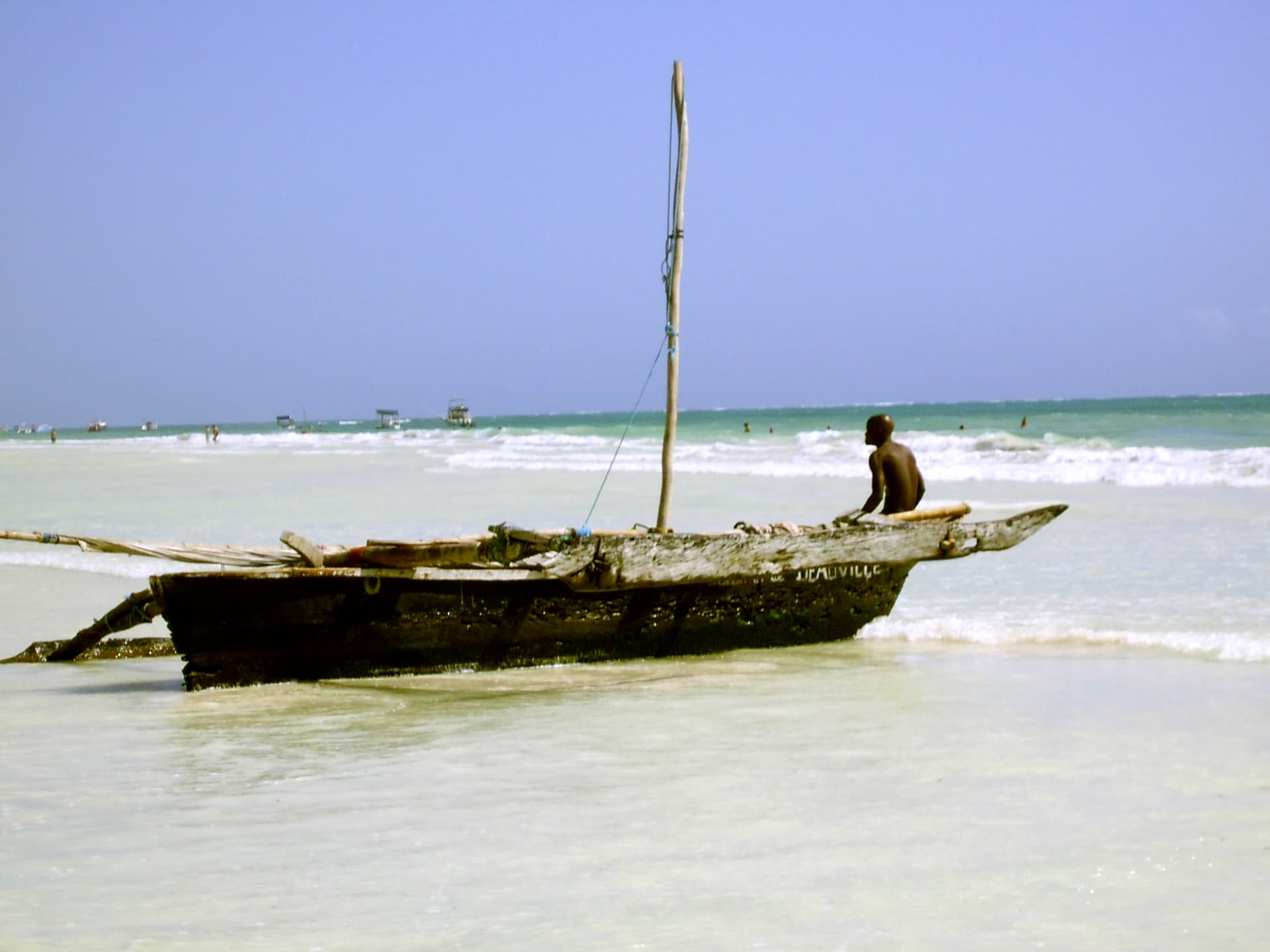
The turquoise waters of the Indian Ocean lap gently against the powdery white sands of Diani Beach, where palm trees sway in the warm coastal breeze and the distant calls of fishermen echo across the shore. This stretch of paradise on Ke…
 Wildlife & Nature
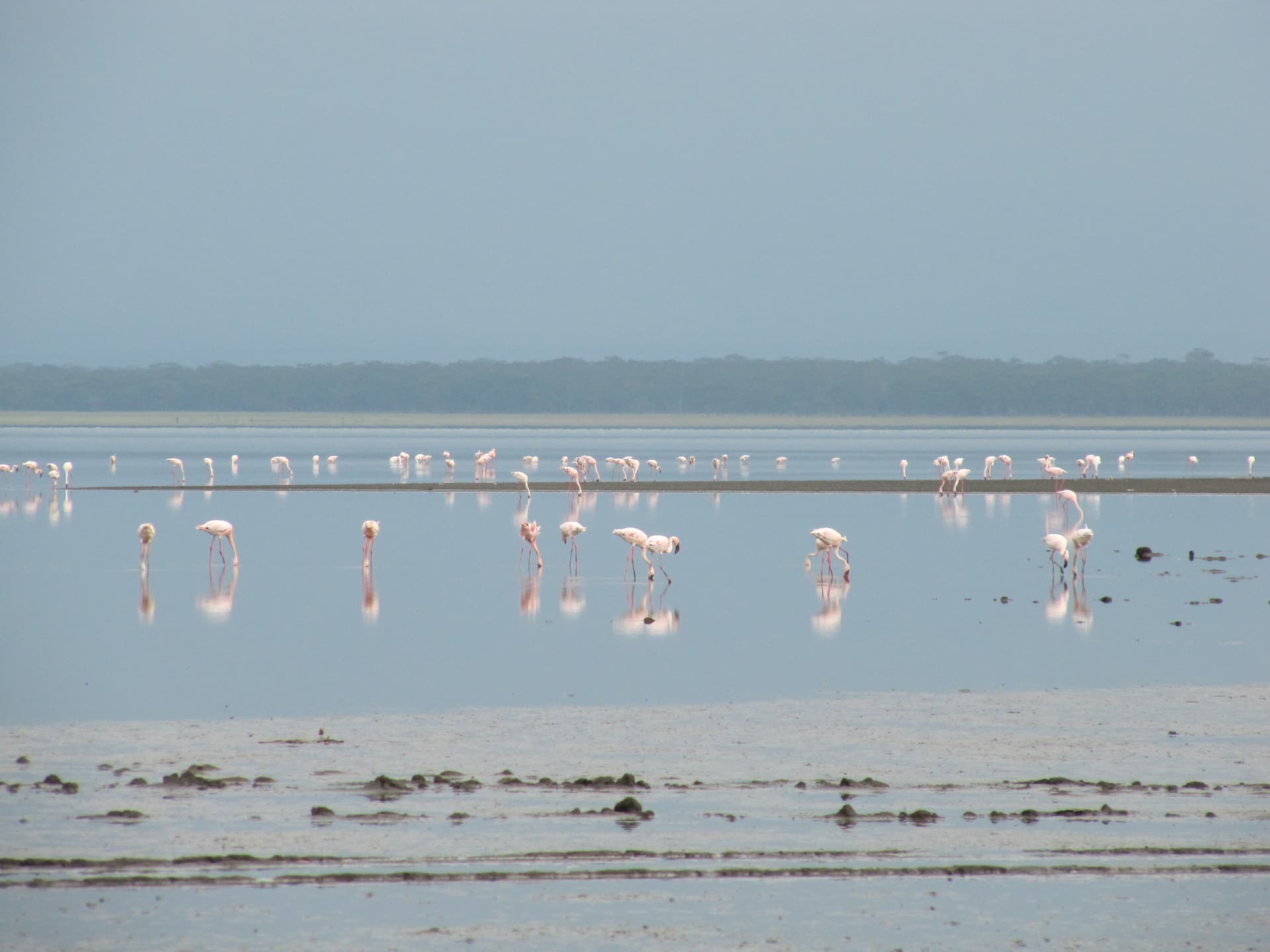
The pink waters of Lake Nakuru stretch out like a living canvas, where millions of lesser flamingos gather in a spectacle that defies imagination. You stand on the shore of Lake Nakuru National Park, the air filled with the soft rustle o…
 Wildlife & Nature
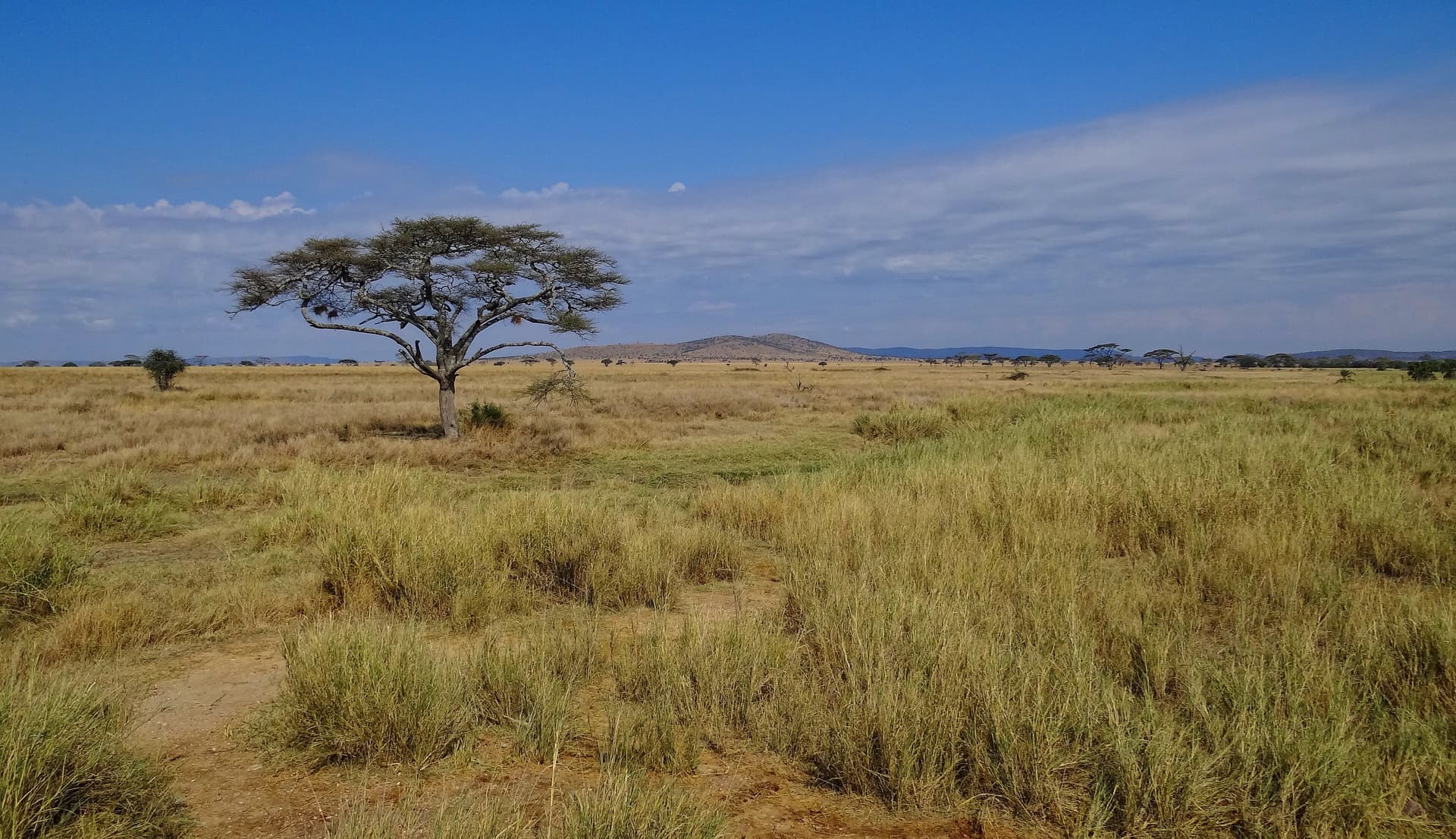
The sun rises over the endless plains of the Serengeti, painting the sky in hues of orange and gold as a herd of wildebeest thunders across the horizon, their hooves kicking up dust that hangs in the air like a living veil. This is the G…
Kenya on the map
Hand-picked safaris, beach escapes, and cultural journeys across Kenya.