Zimbabwe is where you go for guiding. Its professional guide qualification is widely regarded as the hardest in Africa, and it shows in the quality of walking safaris, this is a country you explore on foot as much as from a vehicle.
Read more about Zimbabwe →Capital: Harare
Currency: ZWL
Best time: July to October for game; February to May for Victoria Falls at full flood.
See more →Comfort: BUDGET
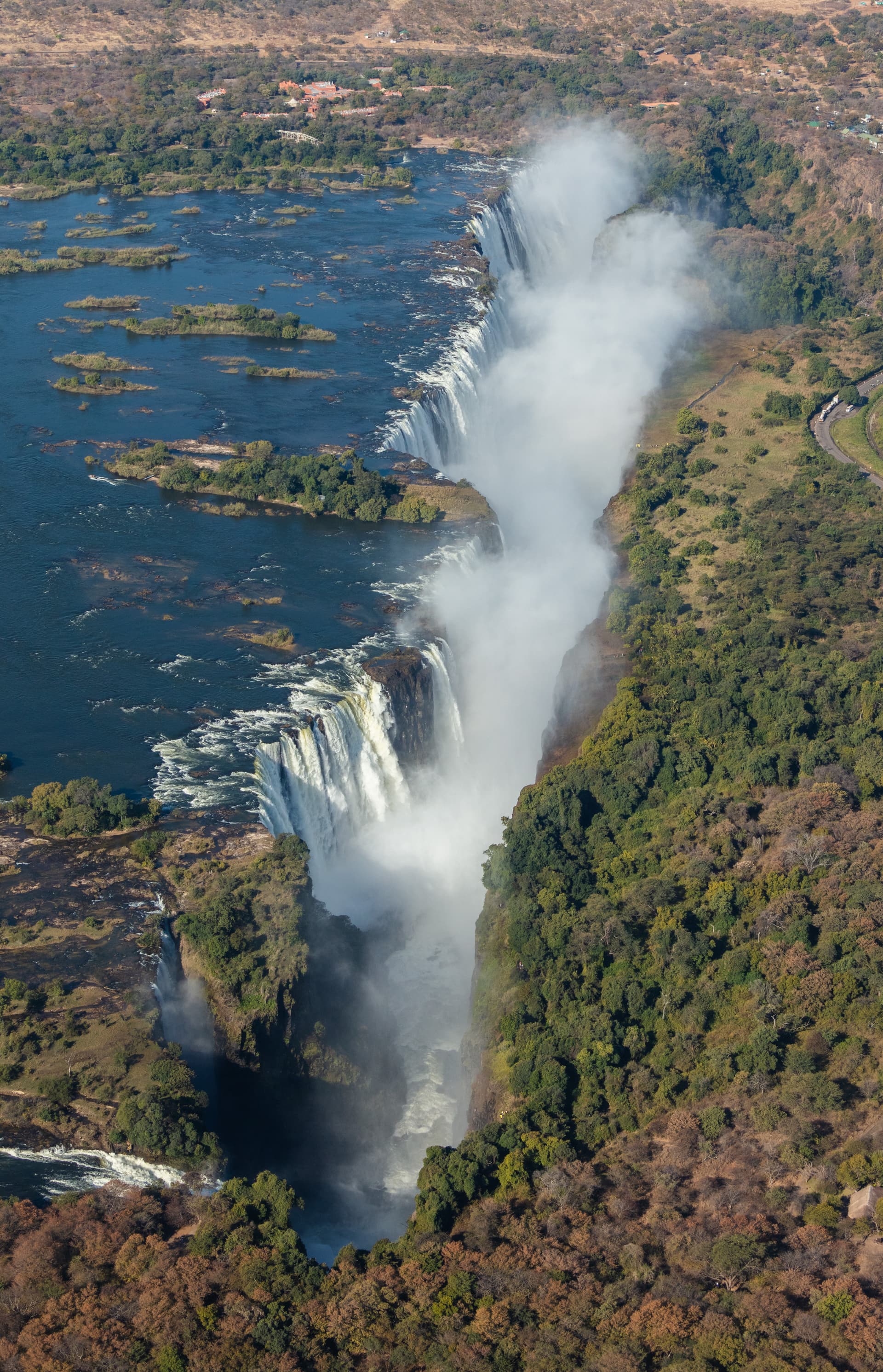
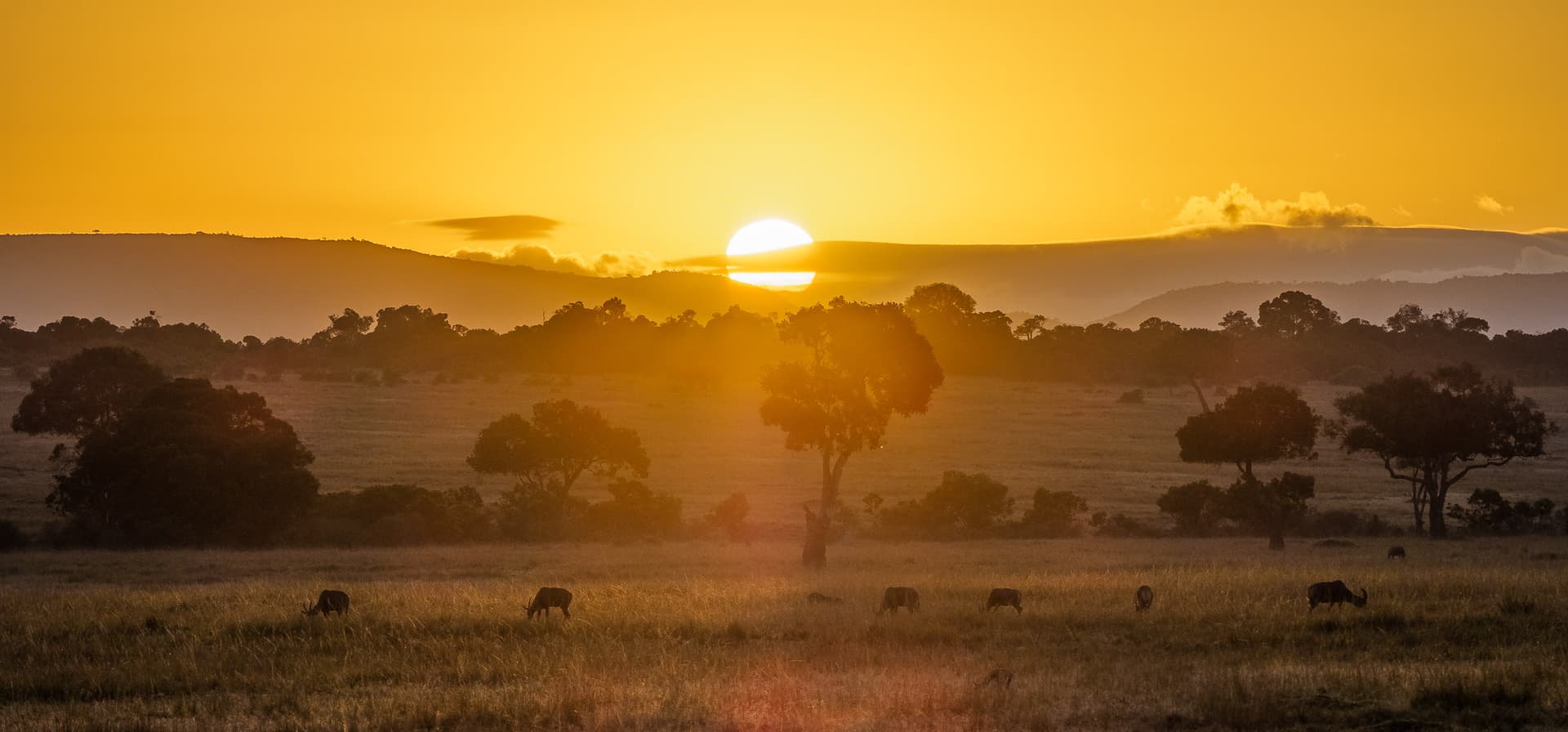
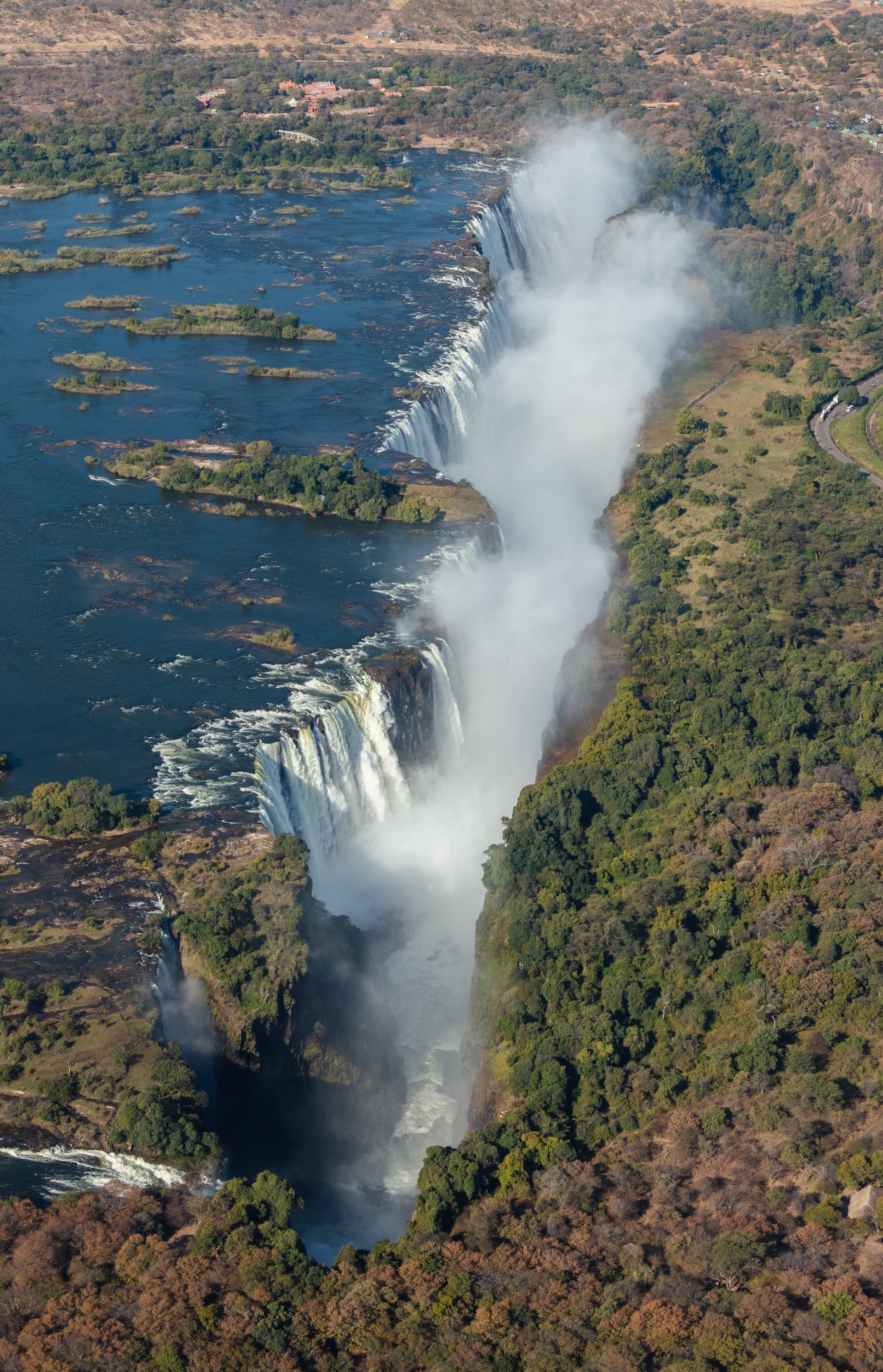
Zimbabwe is where you go for guiding. Its professional guide qualification is widely regarded as the hardest in Africa, and it shows in the quality of walking safaris, this is a country you explore on foot as much as from a vehicle. Victoria Falls is the headline: 1,708 m wide, and at full flood the largest sheet of falling water on earth. The town beside it is southern Africa's adventure capital, with rafting on the… Zambezi, bungee from the bridge and helicopter flights over the gorge. Hwange National Park, covering 14,600 km², holds more than 45,000 elephant and thriving packs of African wild dog. Mana Pools on the Zambezi is the connoisseur's park: a UNESCO site where walking and canoeing among elephant under the winterthorn albidas is permitted in a way it is almost nowhere else. Great Zimbabwe, the stone city that gave the country its name, is the largest ancient structure in sub-Saharan Africa. Matobo Hills holds rhino tracking on foot and remarkable San rock art.
July to October for game; February to May for Victoria Falls at full flood. These two do not coincide, and the choice depends on which you came for. The dry season from May to October concentrates wildlife at shrinking water sources, Hwange's pumped waterholes in September and October produce elephant sightings in the hundreds, and Mana Pools is at its best from July to October when walking conditions are ideal and the bush is open. Victoria Falls peaks after the rains. February to May is when the Zambezi is in full flood and the falls live up to their local name, Mosi-oa-Tunya, the smoke that thunders, though the spray can be heavy enough to obscure the view entirely. By September and October the flow drops enough that parts of the Zimbabwean face may run dry, which is when Devil's Pool on the Zambian side opens. November to March brings the rains: green, hot, excellent birding, low rates, and Mana Pools closed for part of it.
Zimbabwe is straightforward. Most nationalities can obtain a visa on arrival at Victoria Falls Airport, Robert Gabriel Mugabe International in Harare, Joshua Nkomo in Bulawayo and all major land borders, or apply in advance through the official eVisa portal at evisa.gov.zw. Fees are tiered by nationality: single-entry is typically USD 30 for most Commonwealth countries and USD 55 for United States, United Kingdom, Irish and Canadian passport holders. Payment on arrival is in cash US dollars, and staff frequently cannot give change. Bring the exact amount in clean, undamaged notes. The KAZA UniVisa is the option worth knowing about. For USD 50 it covers both Zimbabwe and Zambia with unlimited crossings for 30 days, and also permits day trips into Botswana at Kazungula. It is available at Victoria Falls and Harare airports and the Victoria Falls–Livingstone land border, and it pays for itself the moment you cross to the Zambian side of the falls. Availability is occasionally suspended without notice. A passport valid at least six months with blank pages is required. Confirm at evisa.gov.zw before travelling.
Yellow fever: a certificate is required only if you are arriving from, or have transited through, a country with risk of yellow fever transmission. Not required for travellers coming directly from Europe or North America. Malaria: risk is present in the Zambezi Valley, Victoria Falls, Hwange, Mana Pools, Gonarezhou and the low-lying areas generally, and is highest from November to June. Prophylaxis is recommended for these areas, particularly in the wet season. Harare and the higher central plateau are low-risk. Commonly recommended: hepatitis A and B, typhoid, tetanus-diphtheria-polio, and rabies for extended rural or walking safari travel. Practical notes: do not drink tap water: use bottled or properly treated water throughout. Cholera and typhoid outbreaks have occurred in urban areas. Bilharzia is present in the Zambezi and in Lake Kariba; avoid swimming in still fresh water and take advice locally. Medical facilities are limited and frequently short of supplies, and pharmacies may not stock what you need. Bring the full trip's supply of any prescription medication. Insurance covering emergency evacuation to South Africa is essential, most safari operators require proof. See a travel clinic four to six weeks ahead.
Places worth building a trip around in Zimbabwe, from our travel writing.
Zimbabwe on the map
Hand-picked safaris, beach escapes, and cultural journeys across Zimbabwe.