South Africa is the continent's most self-contained trip: Big Five safari, a world-class wine region, 2,800 km of coastline and first-world road infrastructure, all navigable in a fortnight without an internal flight if you want it that way.
Read more about South Africa →Capital: Pretoria
Currency: ZAR
Best time: May to September for Kruger safari; October to April for Cape Town and the coast.
See more →Comfort: MID RANGE
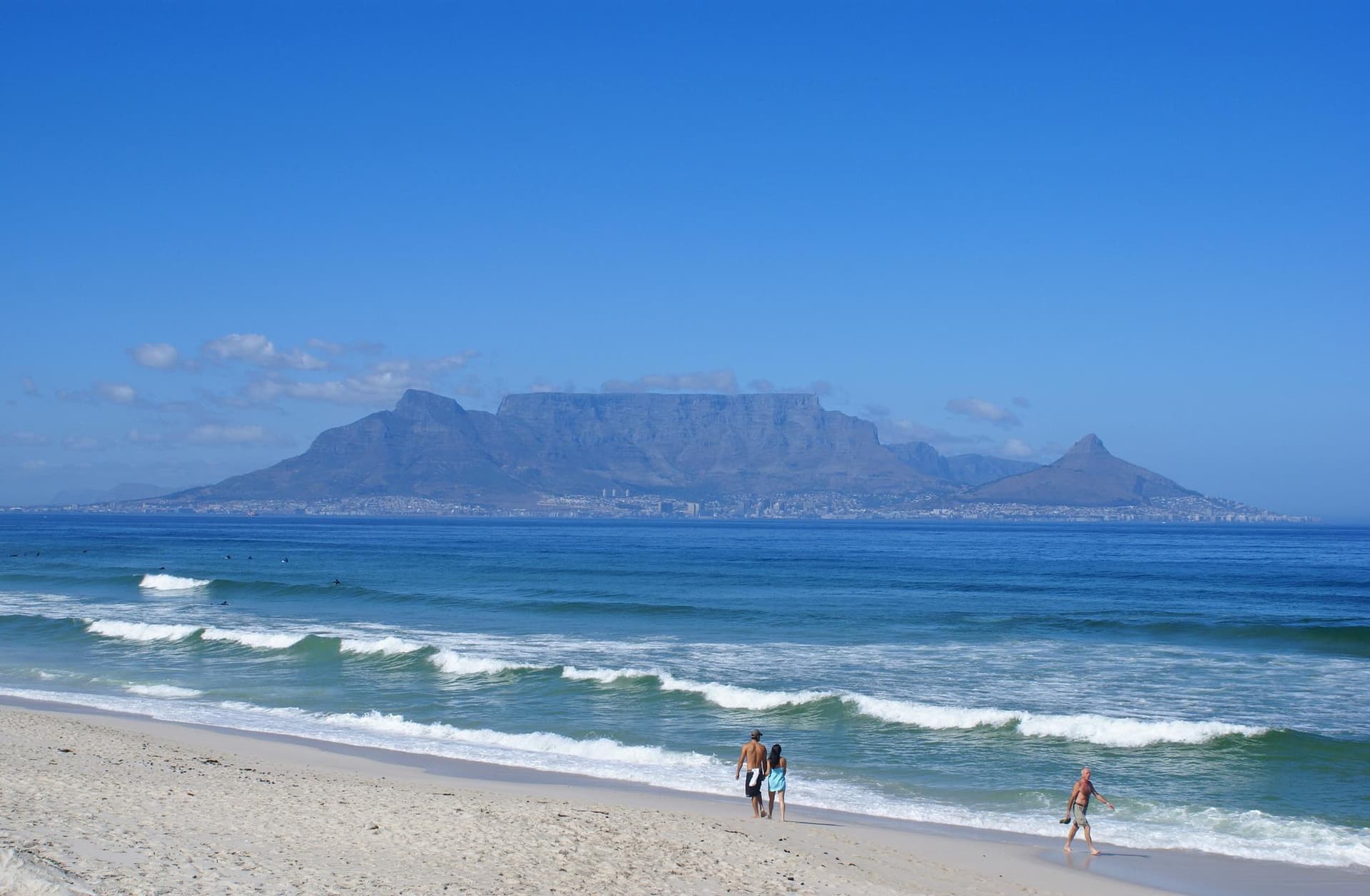
South Africa is the continent's most self-contained trip: Big Five safari, a world-class wine region, 2,800 km of coastline and first-world road infrastructure, all navigable in a fortnight without an internal flight if you want it that way. Kruger National Park runs for 350 km along the Mozambican border and is the anchor of the safari side. The public park is affordable and self-driveable; the private reserves along its unfenced western boundary, Sabi Sand, Timbavati,… Manyeleti, trade that for off-road tracking, walking safaris and the best leopard viewing in Africa. KwaZulu-Natal offers a malaria-free alternative at Hluhluwe-iMfolozi, the park that saved the white rhino from extinction. The Cape is a different holiday entirely. Cape Town sits under Table Mountain with beaches, a working harbour and the peninsula drive to Cape Point; the Winelands at Stellenbosch and Franschhoek are an hour inland. The Garden Route east to Plettenberg Bay covers forest, coast and whale watching, and the Panorama Route above Kruger takes in the Blyde River Canyon.
May to September for Kruger safari; October to April for Cape Town and the coast. The country runs two opposing seasons, which is why itineraries usually favour one end or the other. The dry winter, May to September, is prime bushveld time: vegetation thins, animals concentrate at waterholes and rivers, malaria risk in the Kruger lowveld drops to its lowest, and sightings are at their most reliable. Days are warm, dawn game drives are genuinely cold. The Western Cape is the mirror image. Cape Town, the Winelands and the Garden Route are at their best between October and April, long dry summer days, though the Cape's southeaster wind blows hard in December and January. June to November is whale season along the Cape south coast, with southern right whales off Hermanus at their peak in September and October. August and September bring the Namaqualand wildflower bloom. Green-season safari, from November to March, means thick bush and harder spotting but dramatic skies, newborn game and considerably lower rates.
South Africa is visa-free for a large number of nationalities, including the United Kingdom, United States, Canada, Australia, most EU states and many others, generally for stays of up to 90 days. Some nationalities receive 30 days. Passport rules here are stricter than most and are the usual cause of trouble: your passport must be valid for at least 30 days beyond your intended departure and must contain at least two consecutive completely blank pages for each entry. Endorsement pages do not count. Travellers are refused boarding over this regularly. An eVisa scheme operates for a growing list of nationalities through the Department of Home Affairs; others apply at a South African mission. Expect to show a return ticket and proof of accommodation or funds. Travelling with children under 18 requires additional documentation. An unabridged birth certificate showing both parents is required, plus consent affidavits where a child is travelling with one parent or without either. These rules are enforced at check-in as well as at the border. Confirm current requirements at dha.gov.za before booking.
Yellow fever: a certificate is required only if you are arriving from, or have transited for more than twelve hours through, a country with risk of yellow fever transmission. This catches travellers routing through Nairobi, Addis Ababa or West Africa, the rule is applied on the route, not the passport, and it is enforced at Johannesburg. Vaccination must be at least ten days old to be valid. Malaria: most of the country is malaria-free. Cape Town, the Winelands, the Garden Route, the Drakensberg, Johannesburg and the Eastern Cape reserves carry no risk at all, which is why South Africa is a common choice for families and for anyone who cannot take prophylaxis. Risk is confined to the low-lying northeast: the Kruger National Park and its private reserves, northern KwaZulu-Natal and parts of Limpopo and Mpumalanga, and it is seasonal, highest from October to May, low in the dry winter. Prophylaxis is recommended for Kruger, particularly in summer. Commonly recommended: hepatitis A and B, typhoid, tetanus-diphtheria-polio, and rabies for extended rural stays. Practical notes: tap water is safe to drink in cities and most towns. Medical care in the private sector is excellent and widely available. HIV prevalence is high, and travellers should take the obvious precautions. See a travel clinic four to six weeks before departure if your trip includes the Kruger area.
Places worth building a trip around in South Africa, from our travel writing.
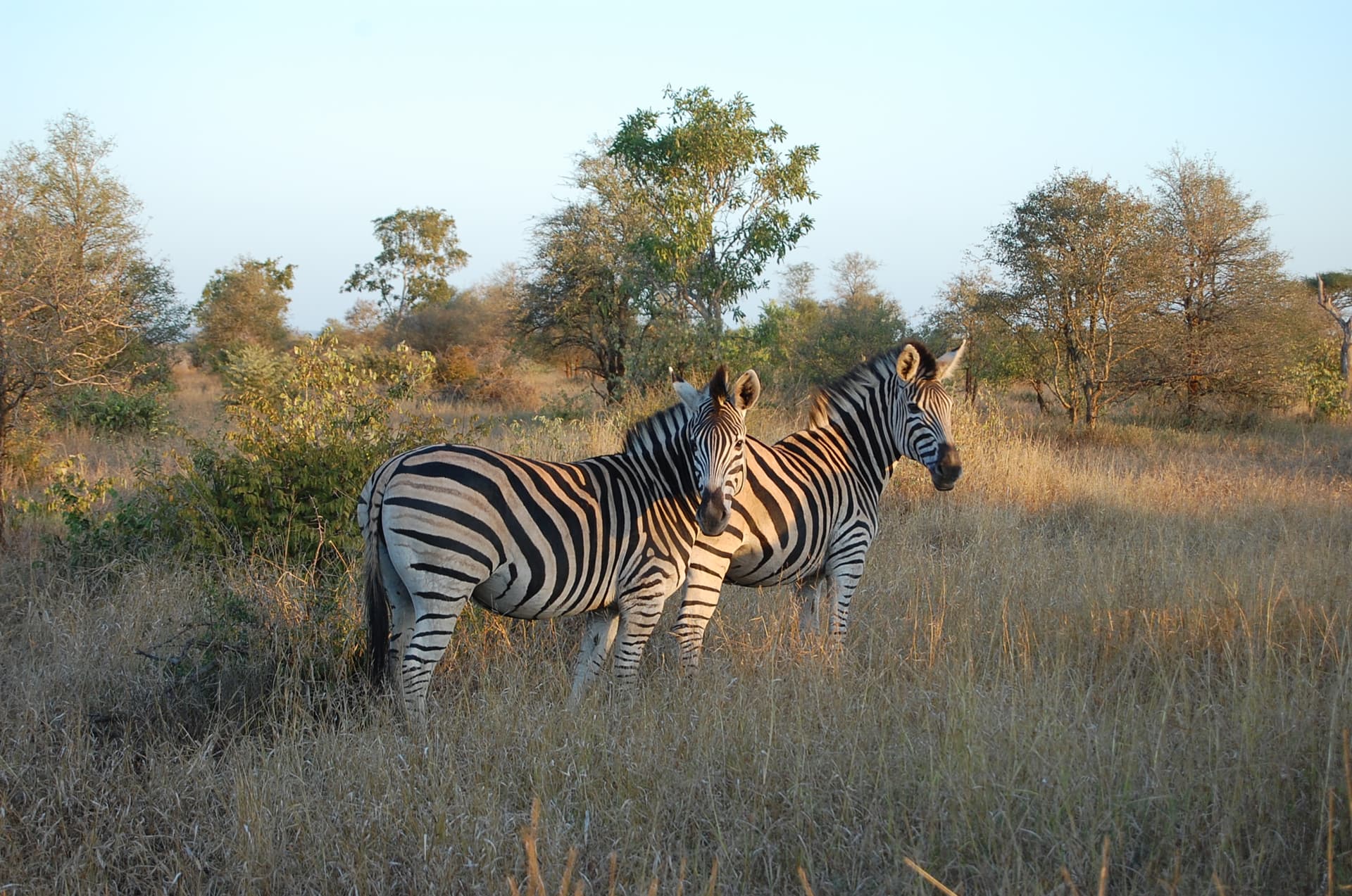 Wildlife & Nature
The air thickens with the scent of wild sage as dawn breaks over Kruger National Park. A herd of elephants ambles along the Sabie River, their massive forms silhouetted against the rising sun, while a lioness watches from the shadows of …
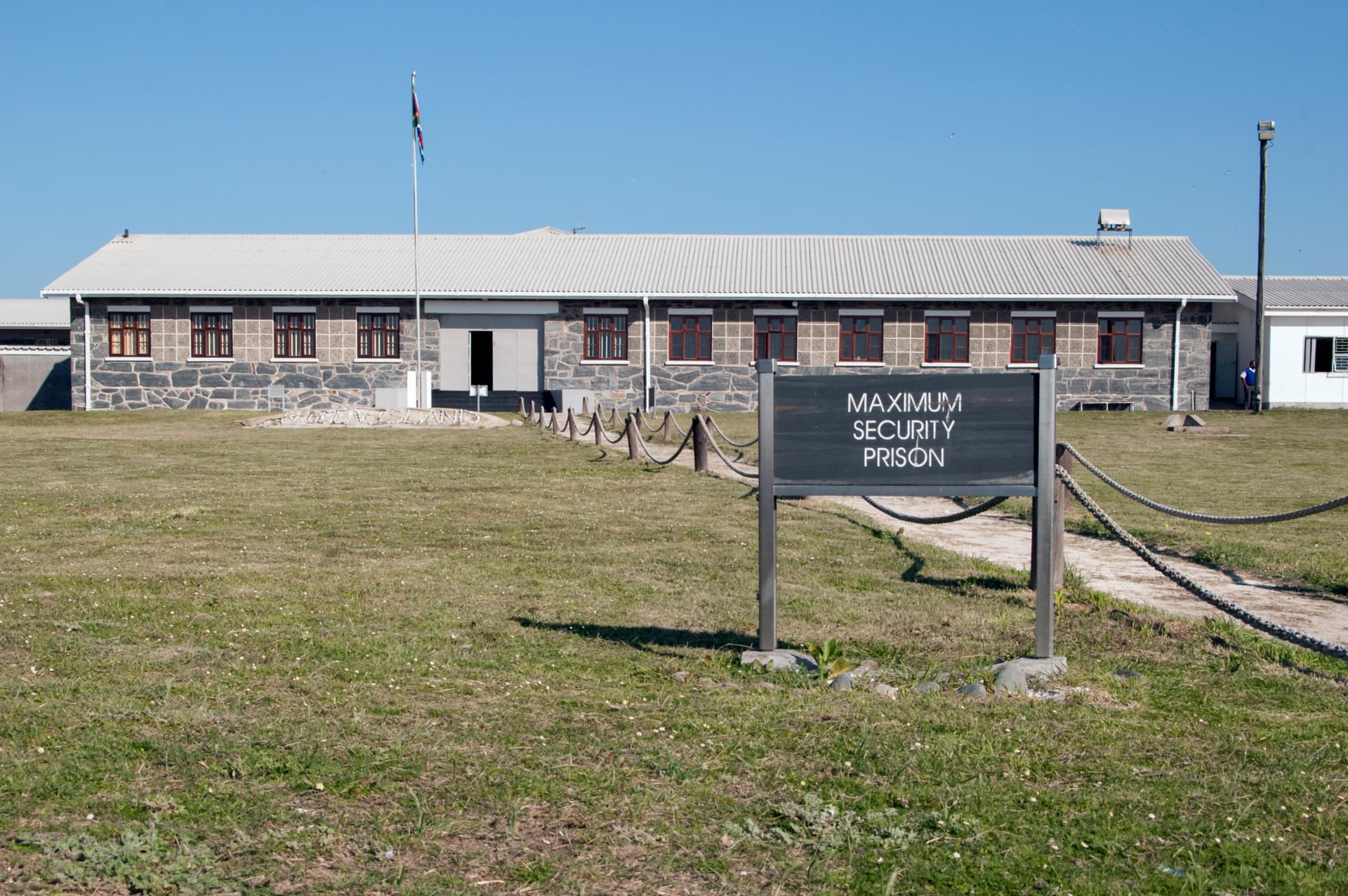 Wildlife & Nature
The ferry cuts through the choppy waters of Table Bay, carrying you towards a low-lying island that has witnessed centuries of human drama. Robben Island rises from the sea, its stark white lighthouse piercing the sky, a sentinel over on…
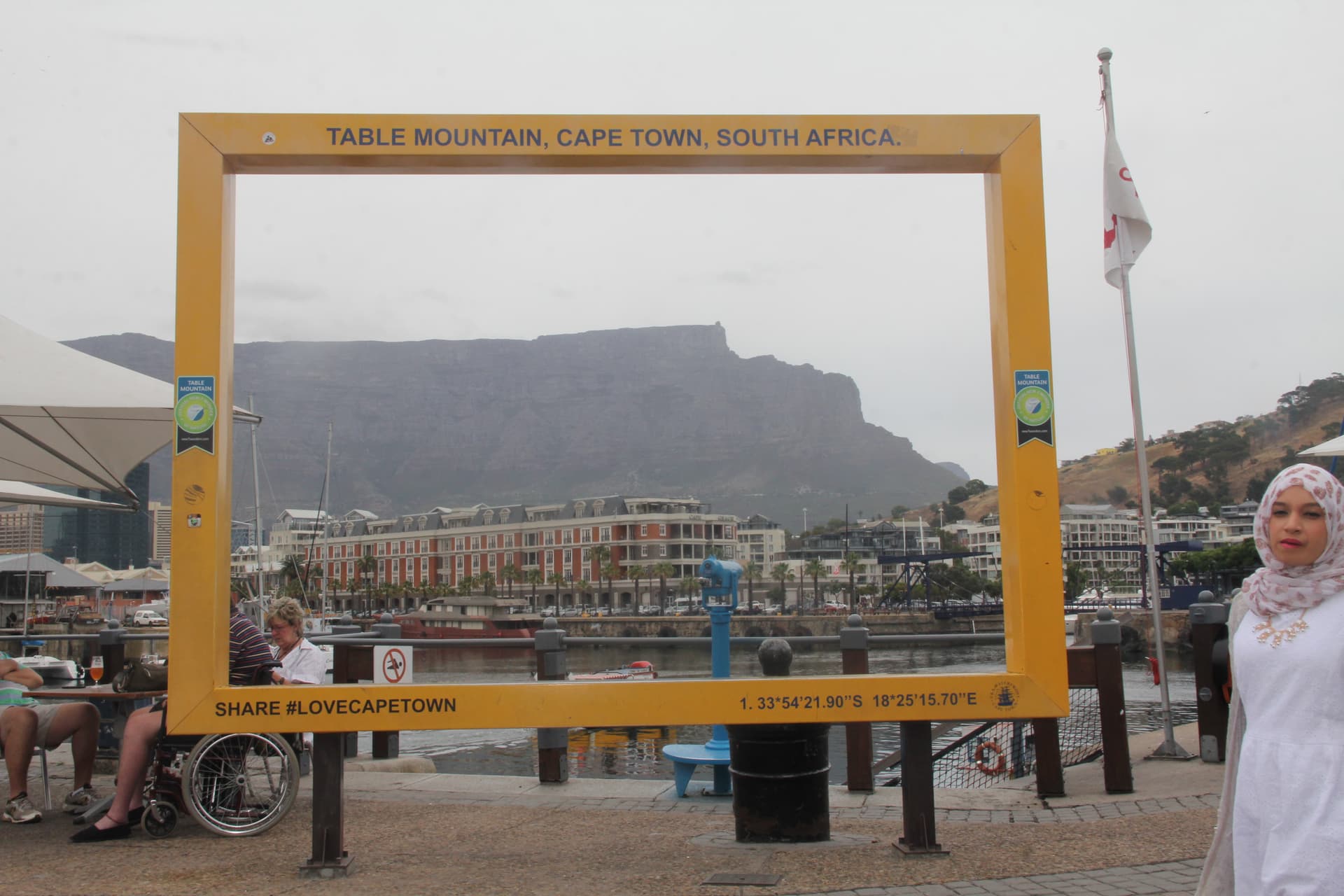 Food & Flavours
You stand at the edge of the world, where the Atlantic Ocean crashes against sheer cliffs and the wind carries the scent of salt and fynbos. Table Mountain rises above you, its flat-topped plateau shrouded in mist, a natural wonder that …
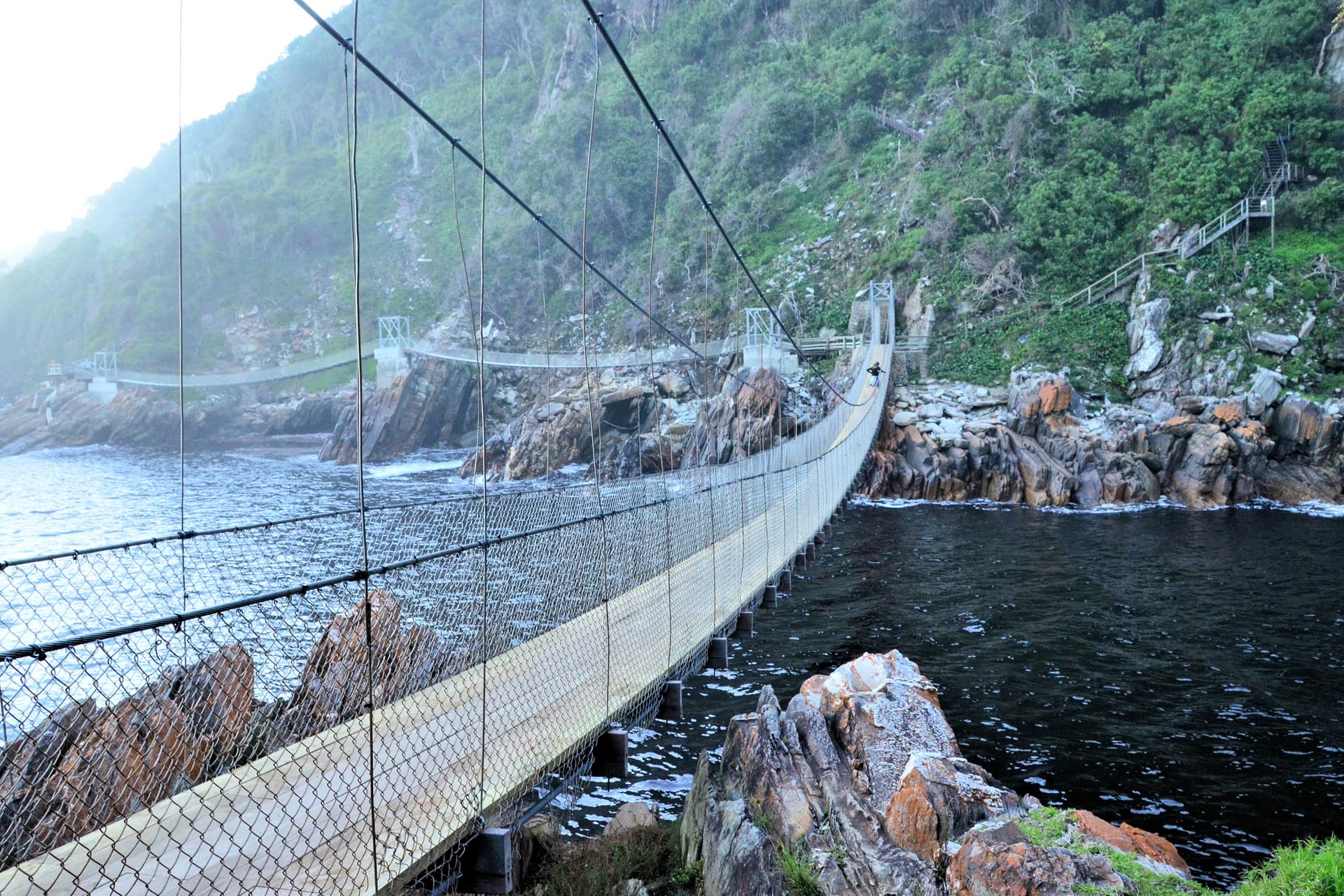 Culture & Heritage
You stand on the edge of a cliff, the Indian Ocean crashing against the rocks below as a pod of southern right whales breaches in the distance. The Garden Route stretches before you, a ribbon of pristine coastline winding through ancient…
South Africa on the map
Hand-picked safaris, beach escapes, and cultural journeys across South Africa.