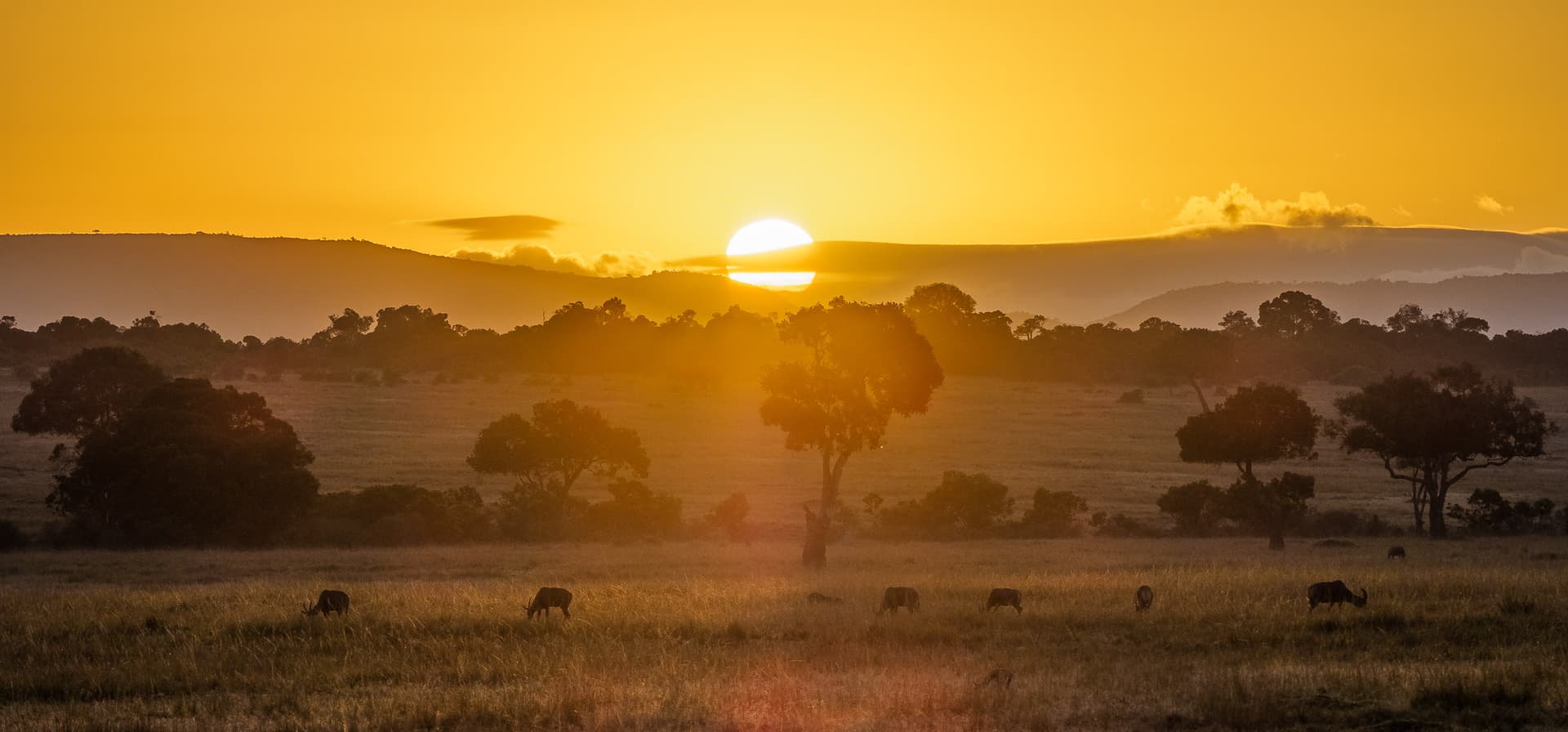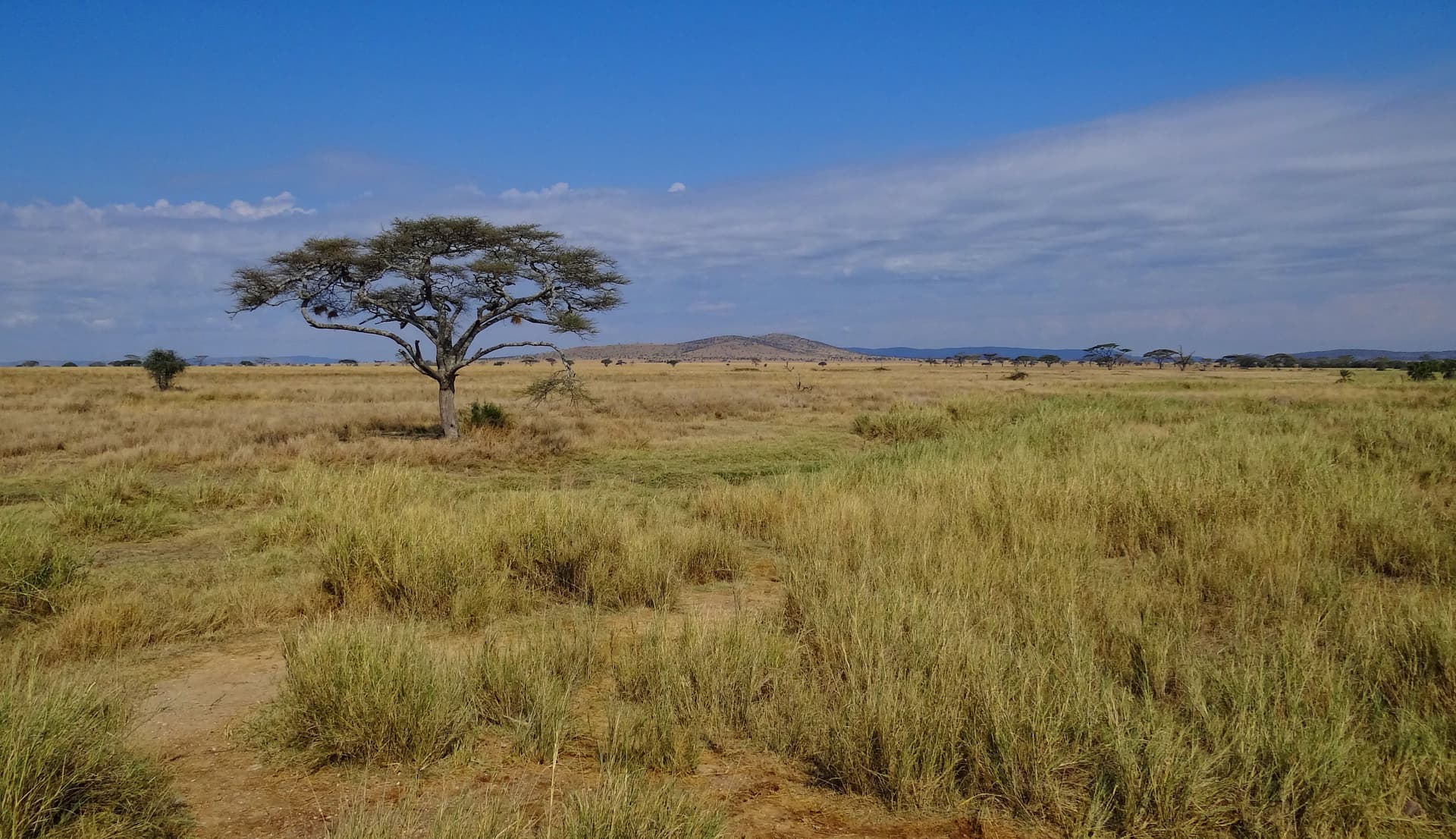
Botswana runs a deliberate low-volume, high-value safari model, few beds, large concessions, and some of the least crowded wildlife viewing in Africa.
Read more about Botswana →Capital: Gaborone
Currency: BWP
Best time: May to October: the dry season, when the Delta floods and game concentrates.
See more →Comfort: MID RANGE
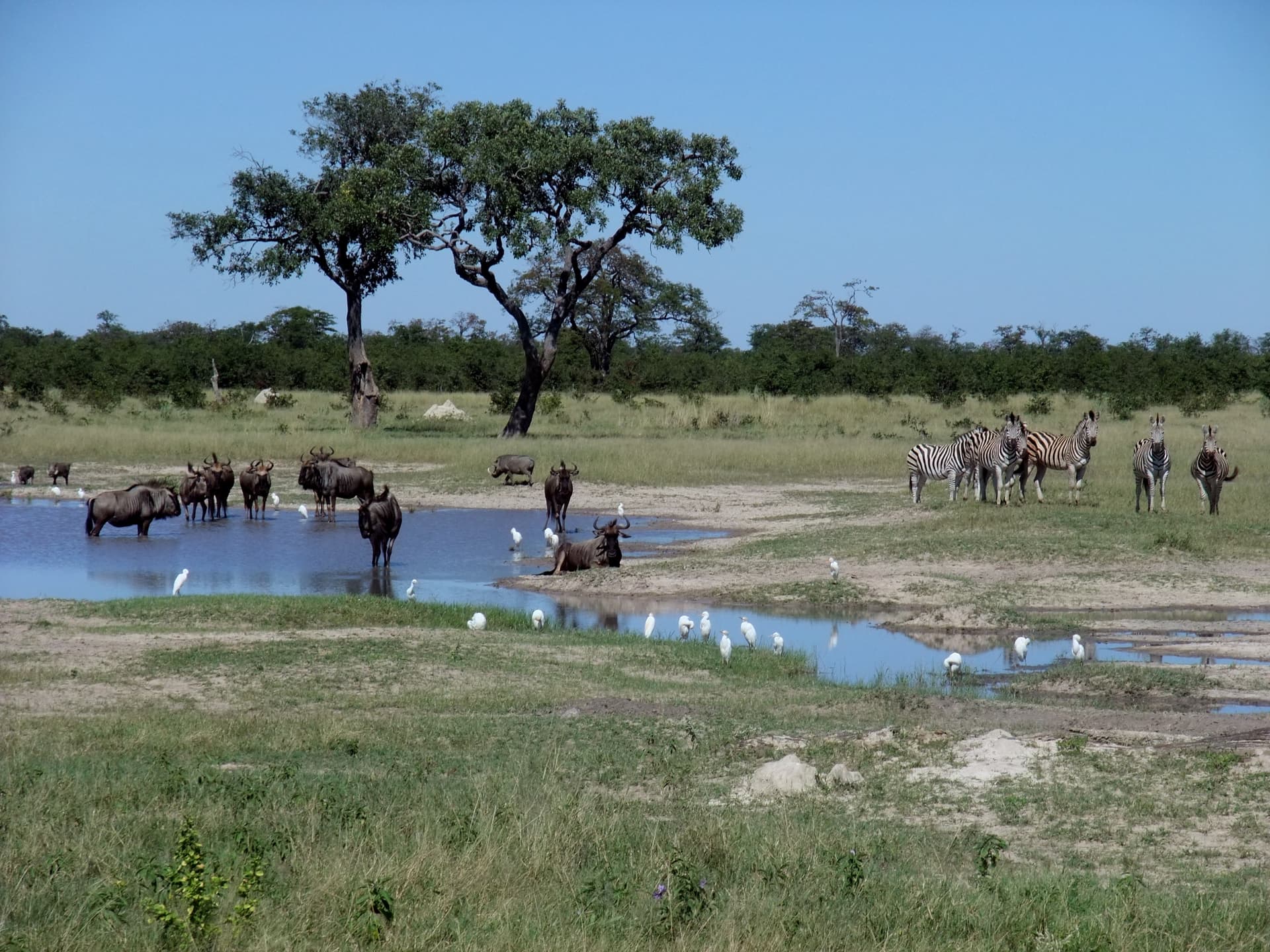
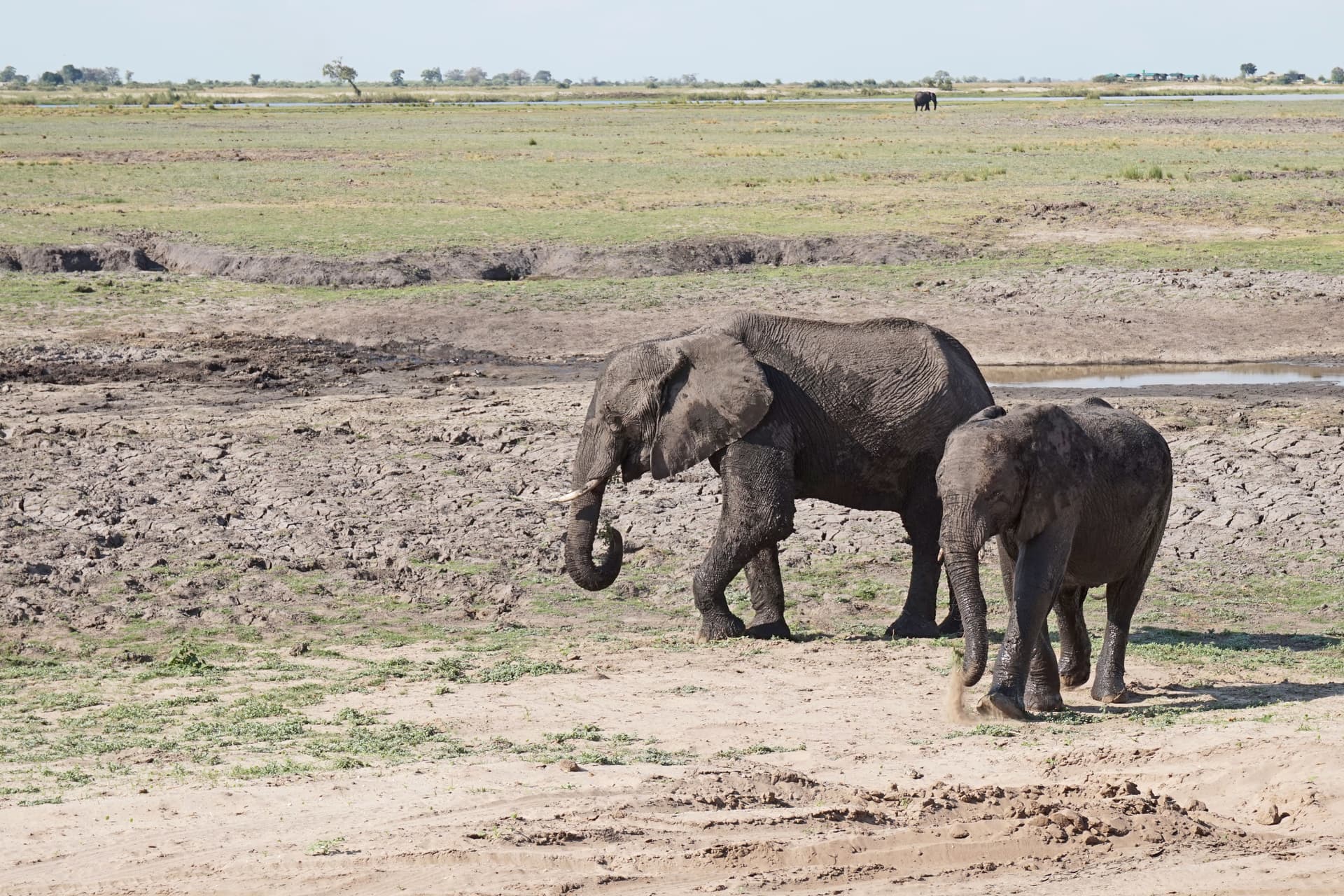
Botswana runs a deliberate low-volume, high-value safari model, few beds, large concessions, and some of the least crowded wildlife viewing in Africa. The Okavango Delta is the centrepiece: 15,000 km² of seasonal wetland where the Okavango River empties into the Kalahari instead of the sea. Game viewing is by mokoro (a shallow dugout canoe), by boat and on foot as well as by vehicle, which is unusual and is the reason people return. Chobe National… Park in the north holds one of the highest elephant densities on the continent, herds in the thousands along the Chobe River in the dry season. The Central Kalahari and the Makgadikgadi salt pans offer an entirely different, emptier landscape, with desert-adapted wildlife and the Kalahari black-maned lion. Most itineraries move between camps by light aircraft rather than road. Botswana is not a budget destination, and the pricing is policy rather than accident.
May to October: the dry season, when the Delta floods and game concentrates. Botswana has an unusual rhythm: the Okavango floodwaters arrive from Angolan rains months earlier and peak between June and August, exactly when the surrounding land is at its driest. Water levels rise as the bush dries out, wildlife funnels towards the Delta and the Chobe River, and mokoro channels become navigable. May to October is therefore the strongest window across the board, with July to September the peak, and priced accordingly, with camps booked six to twelve months ahead. The green season, November to March, is the counter-argument. Rates fall sharply, the Kalahari transforms as the pans fill and the zebra migration moves into Nxai Pan and Makgadikgadi, and the birding is exceptional with migrants present. The trade-off is thick bush, harder spotting, afternoon storms and some camps closing outright in January and February. April and November are shoulder months: good value, variable conditions.
Botswana is visa-free for a wide range of nationalities, including the United Kingdom, United States, Canada, Australia, most EU states and many others, for tourist stays of up to 90 days within a twelve-month period. Your passport must be valid for at least six months on the day of entry and hold at least two completely blank pages for stamps. You may be asked for a return or onward ticket and proof of sufficient funds. Botswana has introduced an online travel authorisation for visa-exempt visitors. Check whether it applies to you before you fly, as it is a pre-arrival requirement rather than something handled at the border. Nationalities that do require a visa apply to a Botswana mission or through the online immigration system. A tourism development levy of USD 30 is payable by most non-resident visitors on arrival, usually by card. If your trip combines Victoria Falls with Chobe, note that the KAZA UniVisa covers Zambia and Zimbabwe and permits day trips into Botswana at Kazungula, but it is not a Botswana visa in its own right. Confirm current requirements before booking.
Yellow fever: a certificate is required only if you are arriving from, or have transited through, a country with risk of yellow fever transmission. Not required for travellers coming directly from Europe or North America. Malaria: risk is seasonal and regional. The north, the Okavango Delta, Chobe, Moremi, Linyanti and the Kasane area, carries risk from about November to June, peaking in the wet months, and prophylaxis is recommended for travel there in that window. Risk drops considerably in the dry winter, and the southern and central Kalahari is essentially malaria-free year-round. Discuss your specific itinerary and dates with a travel clinic rather than assuming the whole country is uniform. Commonly recommended: hepatitis A and B, typhoid, tetanus-diphtheria-polio, measles, and rabies for anyone spending time in remote areas. Practical notes: tap water is generally safe in towns; camps supply filtered water. The heat in October is severe: it is known locally as the suicide month for a reason. Camps in the Delta are unfenced and genuinely remote, often an hour's flight from a road, so insurance covering emergency air evacuation is essential and most operators require proof of it. See a travel clinic four to six weeks before departure.
Places worth building a trip around in Botswana, from our travel writing.
 Wildlife & Nature
The Chobe River flows lazily through the heart of Botswana, its waters teeming with life as a herd of elephants crosses from Namibia, their massive forms silhouetted against the setting sun. Chobe National Park pulses with raw African en…
 Wildlife & Nature
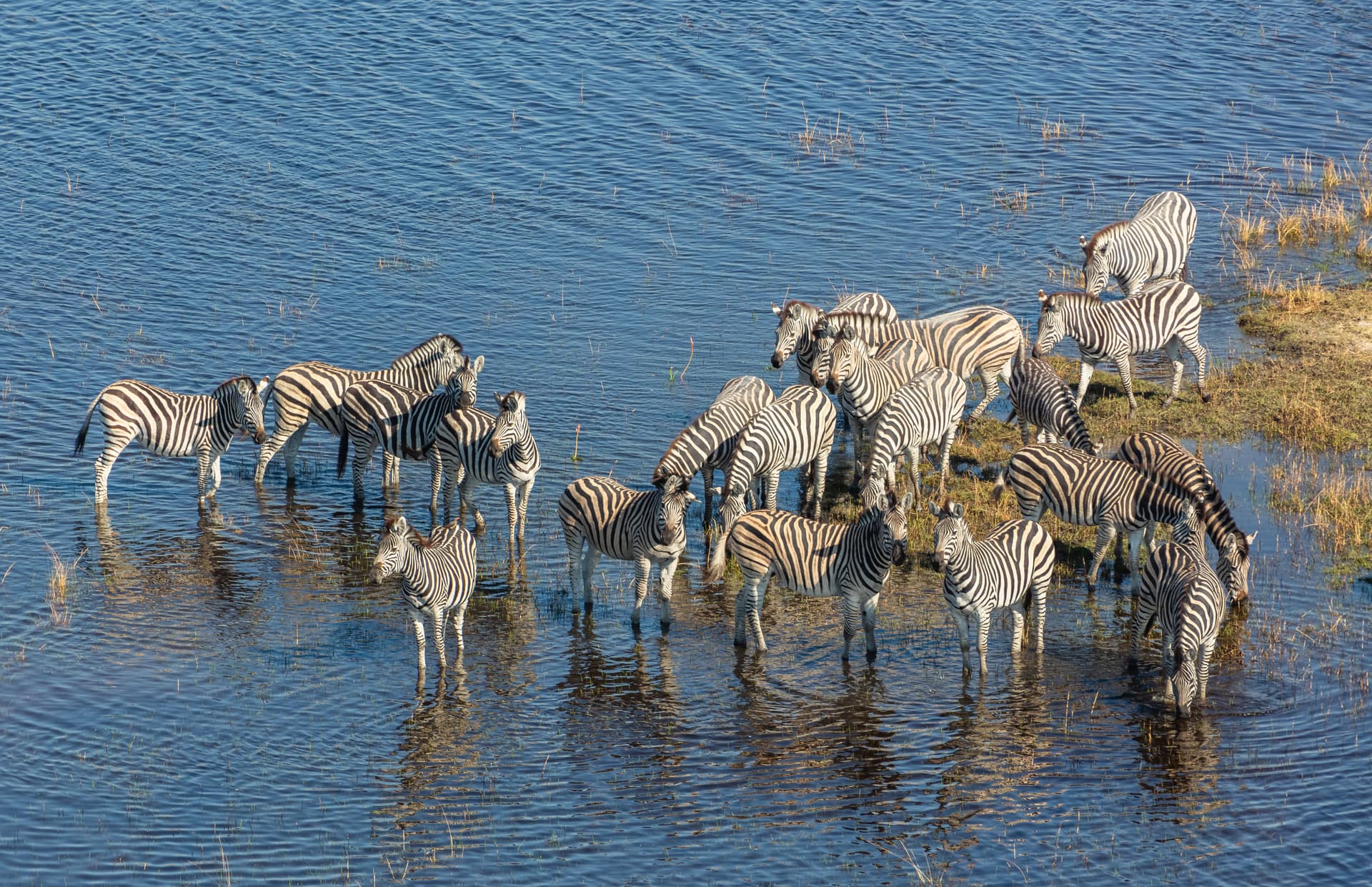
The sun rises over the Okavango Delta, painting the vast floodplain in hues of gold and crimson. You glide silently through crystal-clear channels on a traditional mokoro canoe, the only sound the gentle splash of your poler's oar. Herds…
Botswana on the map
Hand-picked safaris, beach escapes, and cultural journeys across Botswana.