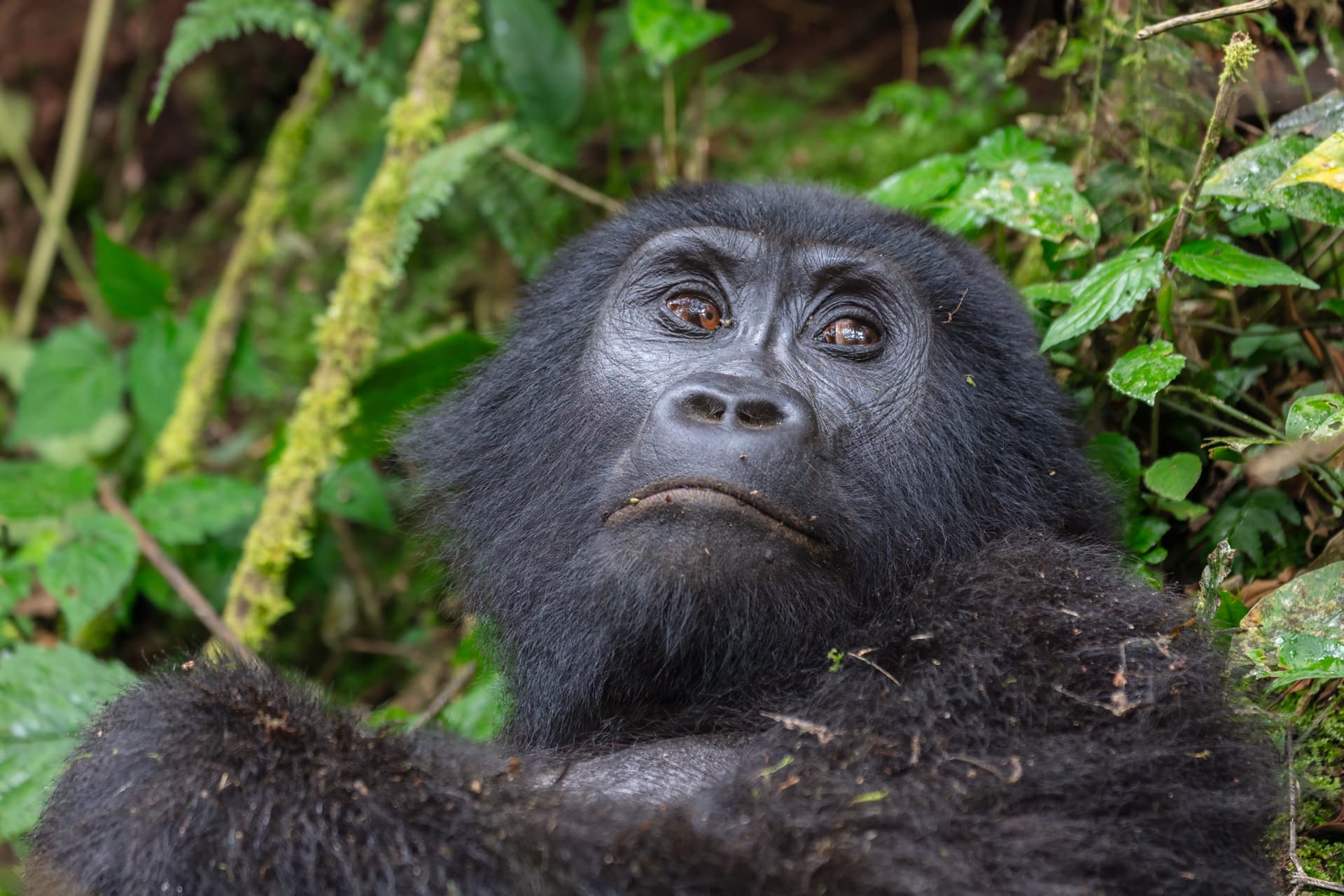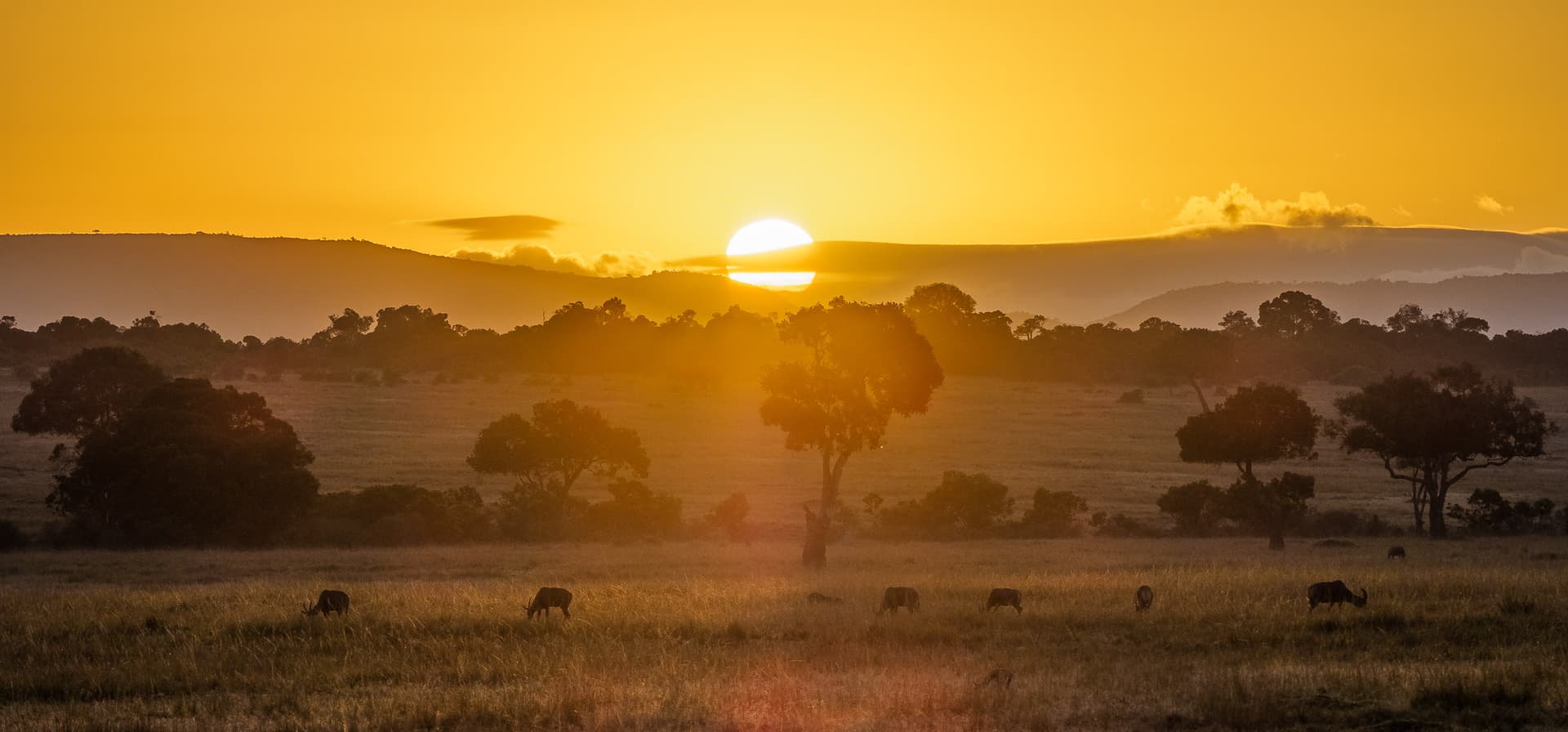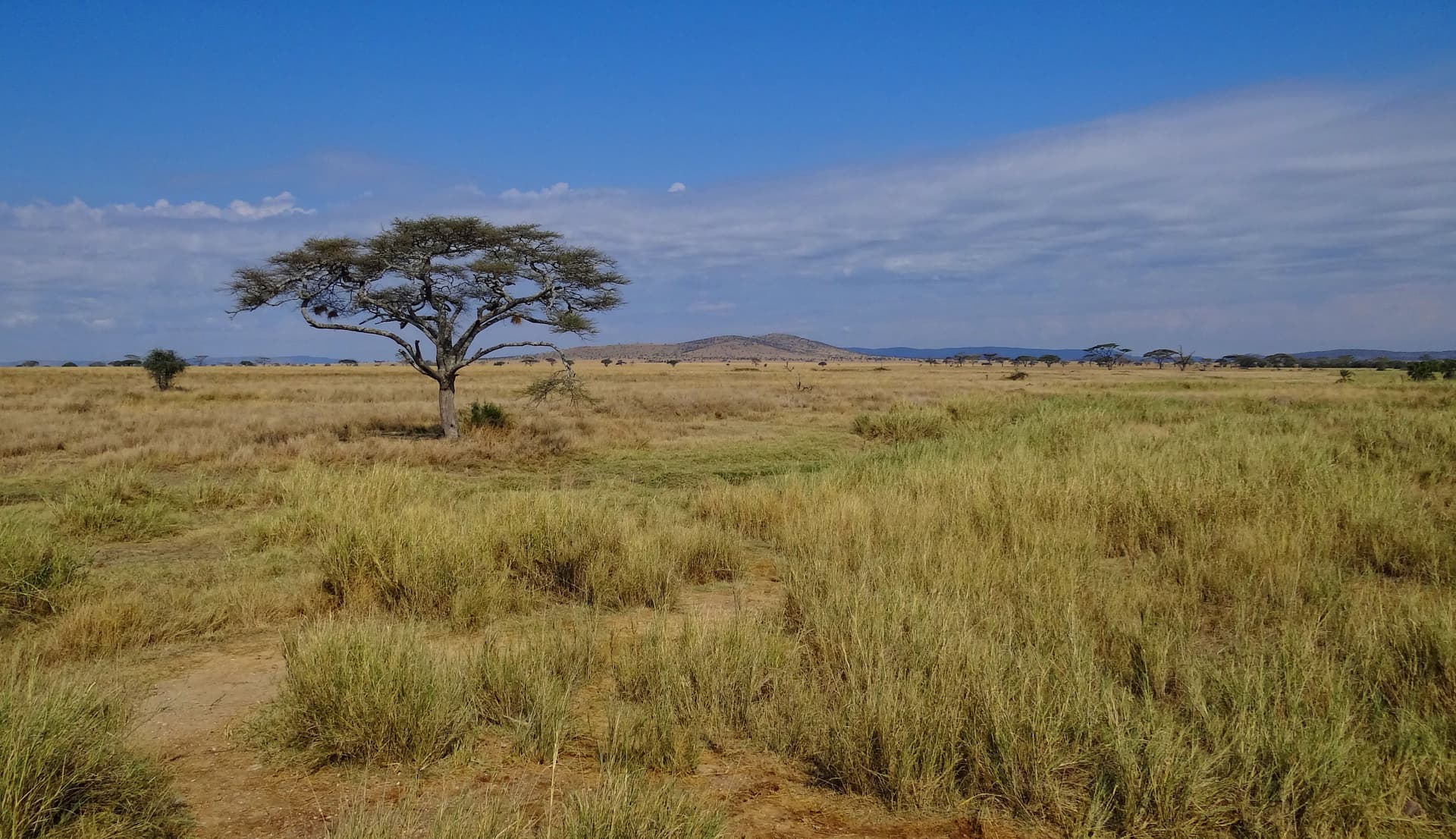
Uganda packs mountain gorillas, chimpanzees, tree-climbing lions, the source of the Nile and the Rwenzori range into a country the size of the United Kingdom, the reason Churchill's label, the Pearl of Africa, has outlived him.
Read more about Uganda →Capital: Kampala
Currency: UGX
Best time: June to August and December to February: the dry seasons, and the easiest months for gorilla trekking.
See more →Comfort: 2 levels
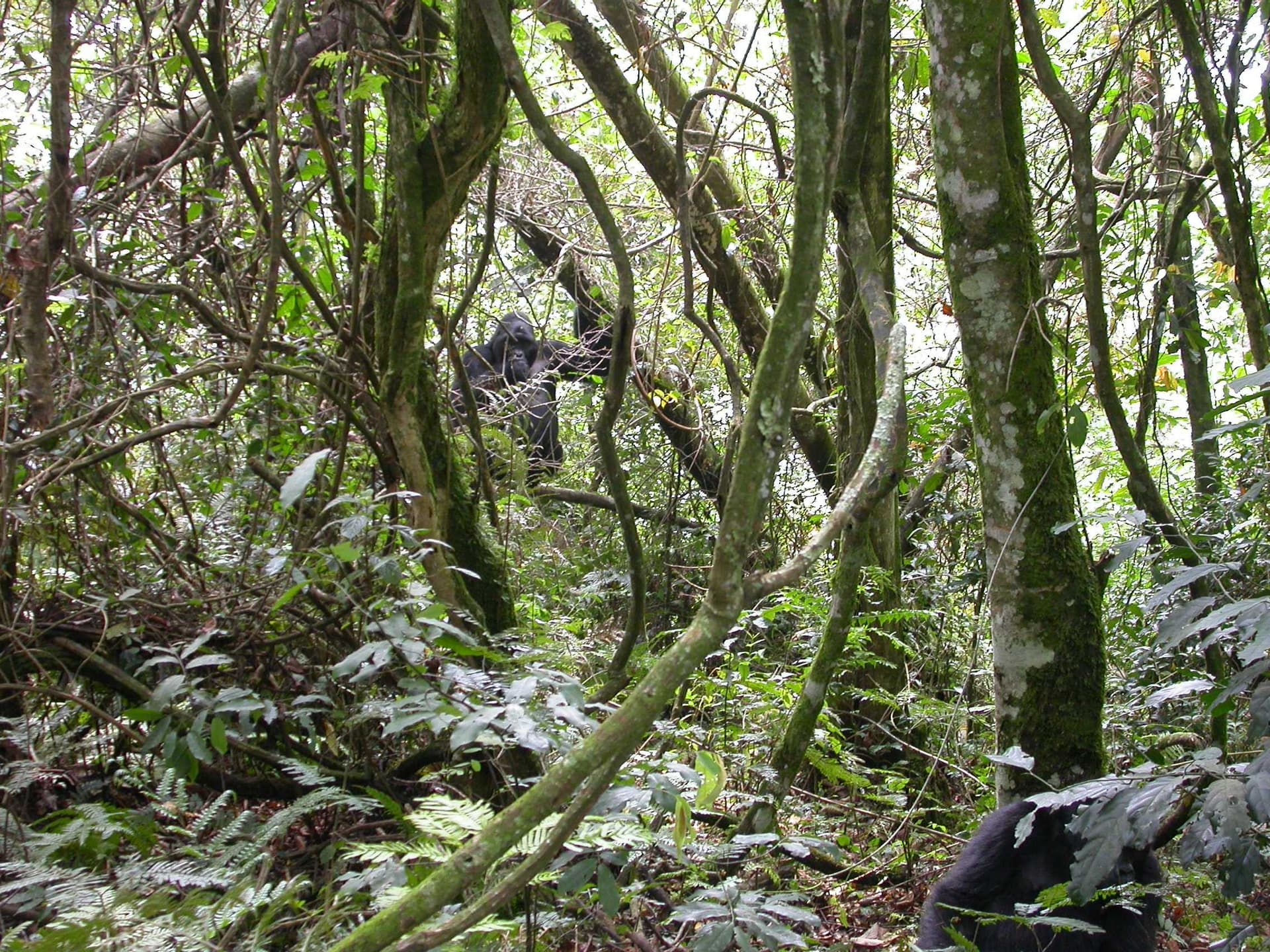
Uganda packs mountain gorillas, chimpanzees, tree-climbing lions, the source of the Nile and the Rwenzori range into a country the size of the United Kingdom, the reason Churchill's label, the Pearl of Africa, has outlived him. Bwindi Impenetrable Forest holds roughly half the world's remaining mountain gorillas and is the centre of most itineraries; permits are cheaper here than in Rwanda, which makes Uganda the value option for gorilla trekking. Kibale has the continent's highest… concentration of primates and the best-organised chimpanzee tracking. Queen Elizabeth National Park is known for the tree-climbing lions of the Ishasha sector, and Murchison Falls for the point where the Nile forces itself through a seven-metre gap. Jinja, where the Nile leaves Lake Victoria, is East Africa's adventure hub for white-water rafting and kayaking. Distances are long and roads are mixed, so most operators build in either internal flights or generous drive days.
June to August and December to February: the dry seasons, and the easiest months for gorilla trekking. Uganda sits on the equator and is green year-round, so the question is less about wildlife concentration than about how muddy the forest trails are. The two dry seasons, June to August and December to February, give the firmest footing in Bwindi and Kibale and the clearest views. They are also when permits sell out furthest ahead. March to May and October to November are the wet months. Trekking is harder, steep, slippery, sometimes several hours in the rain, but the forests are at their most dramatic, lodge rates soften, and Uganda has at times discounted gorilla permits in the low season. Savanna game viewing in Queen Elizabeth and Murchison Falls holds up well through the rains. Book the gorilla permit first and build the trip around it. Permits are capped at eight visitors per habituated family per day and routinely sell out months in advance for the dry-season windows.
Most visitors need a visa and Uganda operates an online-only system: apply at the official portal, visas.immigration.go.ug, before travel. The ordinary single-entry tourist visa is USD 50 and is normally valid for 90 days. Upload a passport bio-page scan, a passport photo, a return ticket and, this one is non-negotiable, your yellow fever vaccination certificate. Applications are routinely rejected for a missing yellow fever card. Approval usually arrives within a few working days as a letter you print and present on arrival, where the visa is issued. If your trip also covers Kenya and Rwanda, the East Africa Tourist Visa is a single USD 100 multiple-entry permit valid across all three for 90 days, and it is the cheaper choice for any two-country itinerary. It must be applied for through the country you enter first. A passport valid at least six months beyond arrival is required. East African Community nationals enter without a visa. Check current requirements at visas.immigration.go.ug before booking.
Yellow fever: vaccination is mandatory for all travellers to Uganda regardless of where you are flying from, and the certificate is checked both at the visa application stage and on arrival. Get it at least ten days before travel: the certificate is not valid until then. Malaria: risk is year-round throughout the country, including Bwindi, Kibale, Queen Elizabeth, Murchison Falls and Entebbe. Prophylaxis is strongly recommended for every visitor. Commonly recommended: hepatitis A and B, typhoid, tetanus-diphtheria-polio, meningococcal, and rabies for anyone trekking in remote forest or spending extended time in rural areas. Gorilla and chimpanzee trekking carry their own rule: because the great apes are vulnerable to human respiratory infection, anyone with a cold, flu or fever will be turned back at the briefing, and the fee is not refunded. Trekkers must stay at least seven metres from the animals and wear a mask in some parks. Do not treat this as a formality: a transmitted infection can kill a habituated family. Drink bottled or treated water. Kampala has good private hospitals, but the forest lodges are hours from serious care, so insurance covering emergency evacuation is essential. See a travel clinic six to eight weeks ahead.
Places worth building a trip around in Uganda, from our travel writing.
Uganda on the map
Hand-picked safaris, beach escapes, and cultural journeys across Uganda.