Togo is a narrow strip of a country, 550 km north to south and rarely more than 100 km wide, which makes it one of the easiest places in West Africa to see a full cross-section of landscape and culture in a short trip.
Read more about Togo →Capital: Lomé
Currency: XOF
Best time: November to February: the dry season, and the most comfortable conditions countrywide.
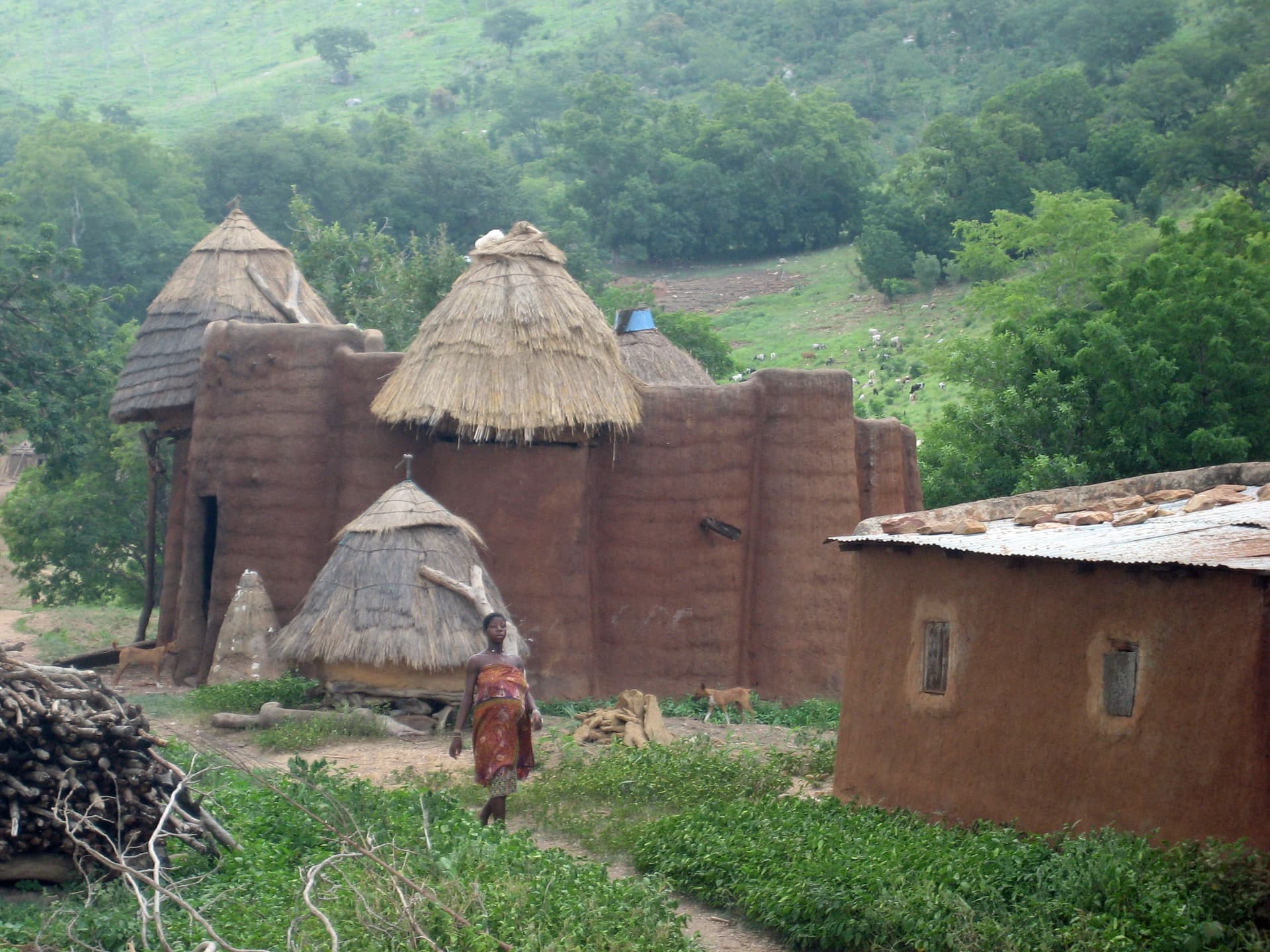
See more →Togo is a narrow strip of a country, 550 km north to south and rarely more than 100 km wide, which makes it one of the easiest places in West Africa to see a full cross-section of landscape and culture in a short trip. Lomé, the capital, sits right on the Atlantic and the Ghanaian border. Its Grand Marché and the Akodessewa fetish market, the largest voodoo market in the world, supplying Vodun practitioners across… the region, are the main draws, along with a long palm-lined beachfront. Koutammakou, in the far north, is a UNESCO World Heritage Site and the reason many people come. It is the land of the Batammariba, whose takienta are mud tower-houses combining dwelling, granary and shrine in a single sculpted structure, still lived in rather than preserved. The central highlands around Kpalimé are green and cool, with waterfalls, coffee and cocoa plantations and hiking up Mount Agou, the country's highest point. Fazao-Malfakassa National Park is the largest protected area.
November to February: the dry season, and the most comfortable conditions countrywide. The dry season runs November to April in the north and follows a more complex two-season pattern in the south. November to January is the sweet spot everywhere: dry air, lower humidity on the coast, cool nights, and reliable roads to Koutammakou and the north. The harmattan blows through December and January. February to April is dry but the heat builds hard in the north, regularly passing 40°C. The south has two rainy periods, the main one from April to July and a shorter one in September and October, while the north has a single wet season from roughly June to September. During the rains the Kpalimé highlands are at their most beautiful and the waterfalls run hard, but unsealed roads in the north become difficult. If you are heading to Koutammakou, the dry months are effectively required; the tracks in are not passable in heavy rain.
Most nationalities need a visa. Togo now runs an eVisa system and has discontinued the old visa-on-arrival route, so arriving without prior approval is no longer an option, this is a recent change and older guidance is misleading. Apply online through the official portal at least five days before arrival; approval typically takes five to seven business days. You will need a passport valid at least six months beyond arrival, a passport photo, proof of accommodation, a return ticket, and your yellow fever vaccination certificate, which is mandatory. A traveller declaration form is also required alongside the eVisa application. ECOWAS nationals are visa-exempt. On arrival at Lomé's Gnassingbé Eyadéma International Airport, present the printed approval; formalities are generally quick. Togo shares a busy land border with Ghana at Lomé, which many travellers cross on foot as part of a regional trip. Confirm that your eVisa covers land entry if that is your plan, the system is designed primarily around air arrival. Check current requirements before booking.
Yellow fever: vaccination is mandatory for all travellers aged nine months and over. Proof is required for the visa application and checked on arrival. Get it at least ten days before travel. Malaria: risk is high and year-round throughout the country including Lomé. Prophylaxis is essential for every visitor. Commonly recommended: hepatitis A and B, typhoid, tetanus-diphtheria-polio, meningococcal (the north falls within the African meningitis belt, with risk concentrated in the dry season), cholera for some itineraries, and rabies for rural travel. Drink bottled or sachet water. Traveller's diarrhoea is common. Schistosomiasis is present in fresh water: do not swim in rivers or lakes. The Atlantic beaches at Lomé have a very strong shore break and dangerous currents; despite how they look, they are not safe for swimming and drownings occur. Medical facilities are limited. Lomé has a few adequate private clinics; care outside the capital is basic and the north is a long way from anything. Bring a full supply of prescription medication and carry insurance including air evacuation. See a travel clinic six weeks ahead.
Togo on the map
Hand-picked safaris, beach escapes, and cultural journeys across Togo.