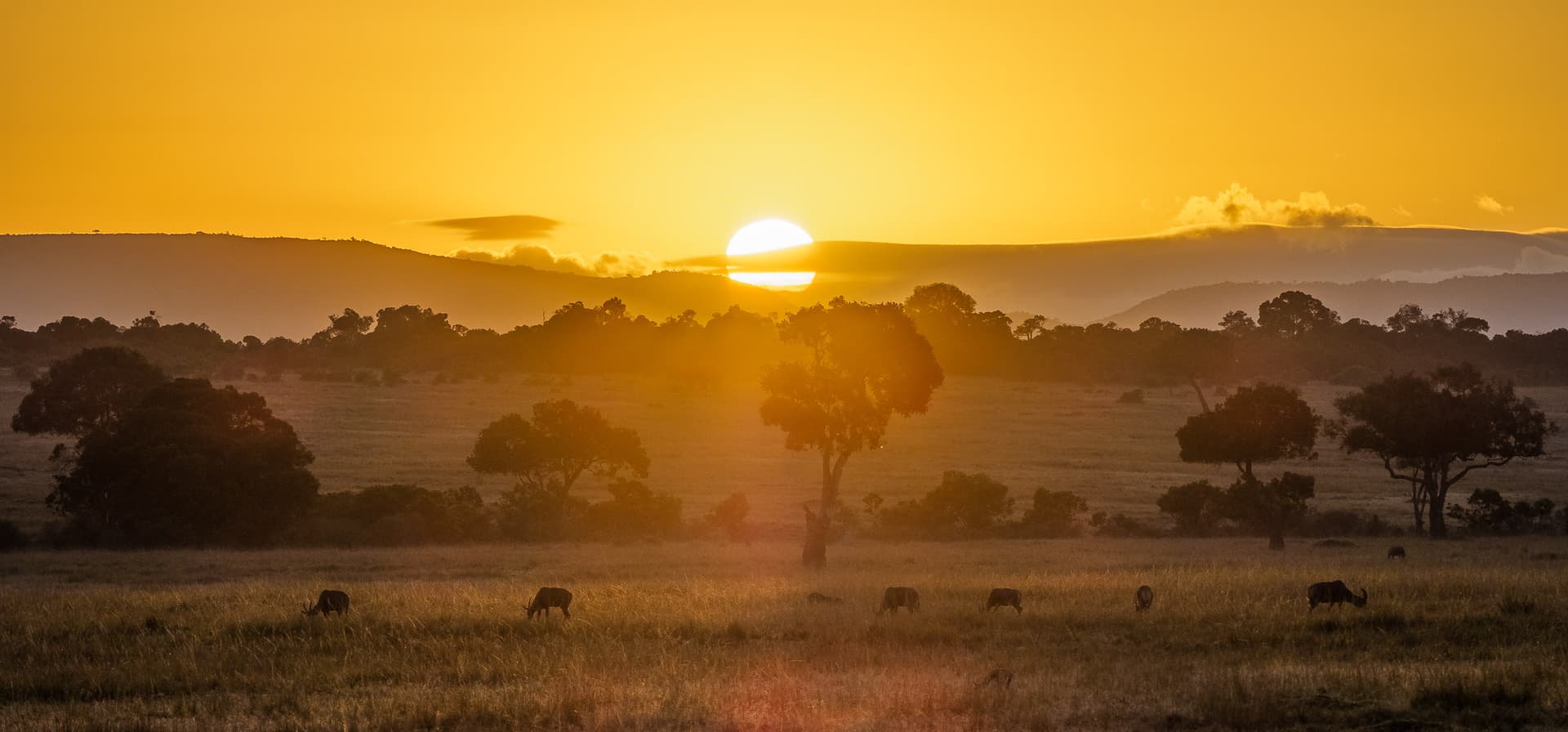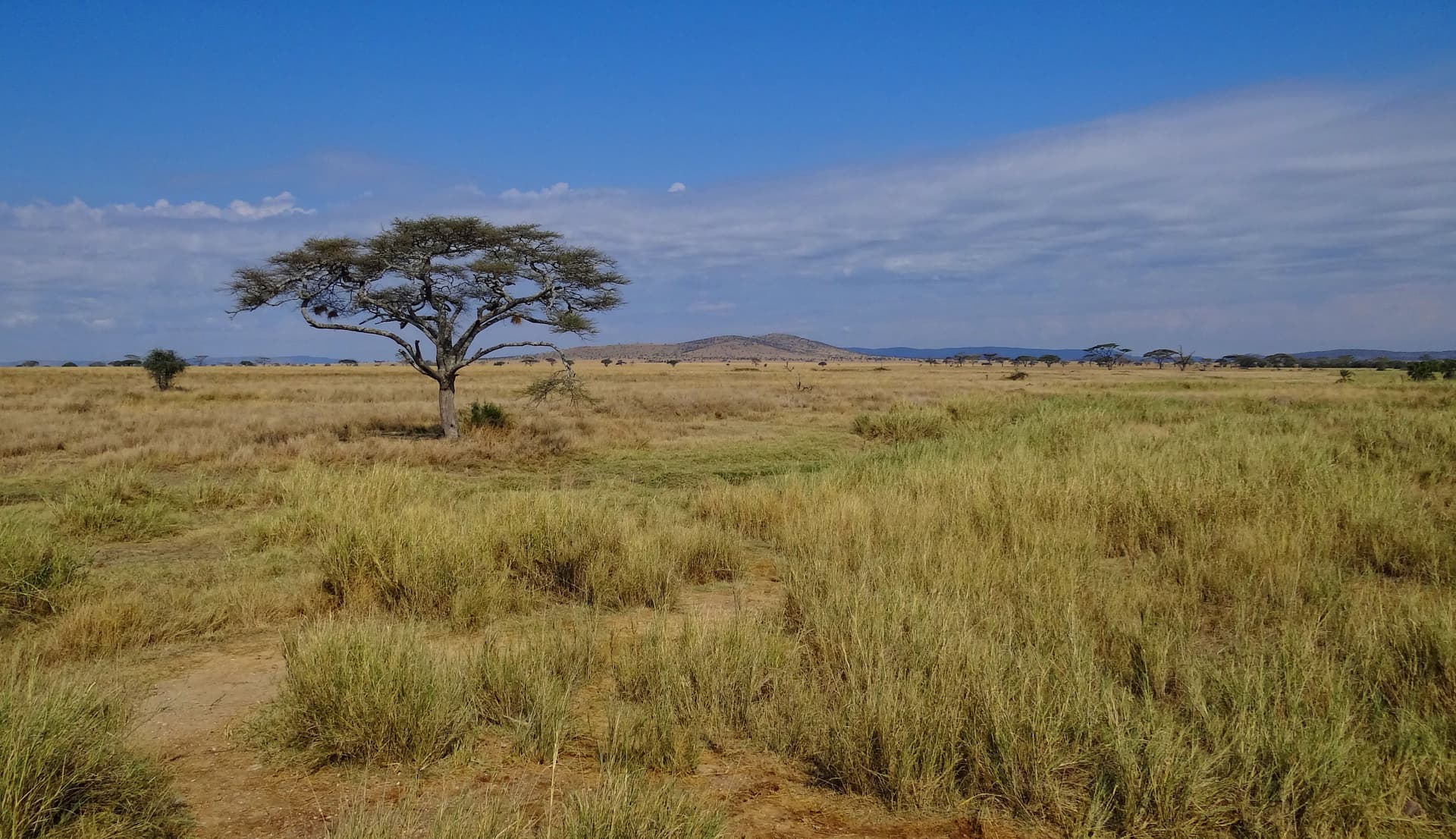
South Sudan, independent since 2011, holds one of the great untouched wildlife spectacles on earth alongside one of its most difficult operating environments.
Read more about South Sudan →Capital: Juba
Currency: SSP
Best time: November to March: the dry season, and the window for the kob migration and road access.
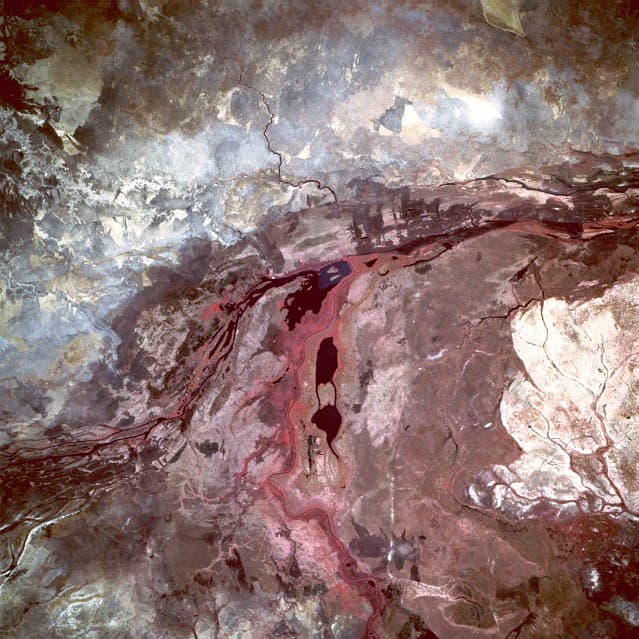
See more →South Sudan, independent since 2011, holds one of the great untouched wildlife spectacles on earth alongside one of its most difficult operating environments. Boma and Badingilo National Parks host the second-largest land mammal migration on the planet: well over a million white-eared kob, tiang and Mongalla gazelle moving between the Boma plateau and the Sudd wetlands. Aerial surveys since 2023 have put the numbers higher than previously believed, rivalling the Serengeti's wildebeest. The Sudd itself… is one of the world's largest wetlands, a vast seasonal floodplain of the White Nile. Almost none of this is served by tourism infrastructure. There are no lodges of the kind found in East Africa, road access is seasonal at best and most movement is by charter aircraft. A small number of specialist operators run expedition-style trips, largely focused on the cattle camps of the Mundari along the Nile near Terekeka. Most governments advise against all travel.
November to March: the dry season, and the window for the kob migration and road access. The dry season runs roughly November to March and is the only period when overland movement is broadly practical. It also aligns with the white-eared kob migration, which is generally best between November and January as the herds move west from the Ethiopian border towards the Sudd. December to February gives the firmest ground, the lowest water levels in the wetlands and the most reliable charter flying weather. The rains fall roughly April to October, peaking July to September. During this period the black cotton soil turns to deep mud, most unsealed roads become impassable, the Sudd floods far beyond its dry-season extent, and travel outside Juba is effectively limited to aircraft. Security rather than season is the real constraint. Conditions vary sharply by state and can change fast; check current government advice before making any commitment.
All visitors need a visa arranged before travel. Apply through the South Sudan eVisa portal or at a South Sudanese embassy; single-entry visas are normally valid for one month and multiple-entry for up to three. Requirements include a passport valid at least six months beyond arrival with blank pages, a passport photo, a letter of invitation or confirmed accommodation, a return ticket and a yellow fever vaccination certificate. Processing is slow and inconsistent, so allow several weeks. Two further things catch travellers out. First, foreign visitors must register with the Ministry of Interior in Juba within a few days of arrival. Second, a separate photography permit is required to take photographs almost anywhere, and photographing bridges, government buildings, airports or anyone in uniform is prohibited and treated seriously. Cameras have been confiscated and people detained. Travel outside Juba generally requires additional permits. A reputable operator handles registration, permits and internal movement, and travelling with one is effectively necessary. Check your government's travel advice and confirm your insurance is valid, as most policies exclude countries under do-not-travel advisories.
Yellow fever: a vaccination certificate is mandatory for entry and is checked on arrival. Get it at least ten days before travel. Malaria: South Sudan is a high-risk, year-round malaria zone throughout the country including Juba. Prophylaxis is essential, alongside strict use of repellent and nets. Transmission intensity here is among the highest anywhere. Commonly recommended: hepatitis A and B, typhoid, cholera, polio, meningococcal (the country sits in the meningitis belt), tetanus-diphtheria, measles and rabies. Cholera outbreaks are frequent and vaccination is worth discussing rather than dismissing. Other risks worth knowing: hepatitis E, visceral leishmaniasis (kala-azar) in parts of the northeast, and schistosomiasis in the Nile and the Sudd. Do not swim in fresh water. Medical facilities are extremely limited and largely dependent on NGO and mission clinics. There is no dependable emergency care outside Juba and evacuation typically means a charter flight to Nairobi. Bring the full trip's supply of any prescription medication and a comprehensive first-aid kit. Standard travel insurance is generally void here; specialist high-risk cover including air evacuation is required. See a travel clinic at least eight weeks before departure.
South Sudan on the map
Hand-picked safaris, beach escapes, and cultural journeys across South Sudan.