Senegal is West Africa's most accessible country for a first visit, stable, well connected to Europe, and holding a cultural depth that outstrips its size.
Read more about Senegal →Capital: Dakar
Currency: XOF
Best time: November to March: dry, cooler and the peak of the bird season.
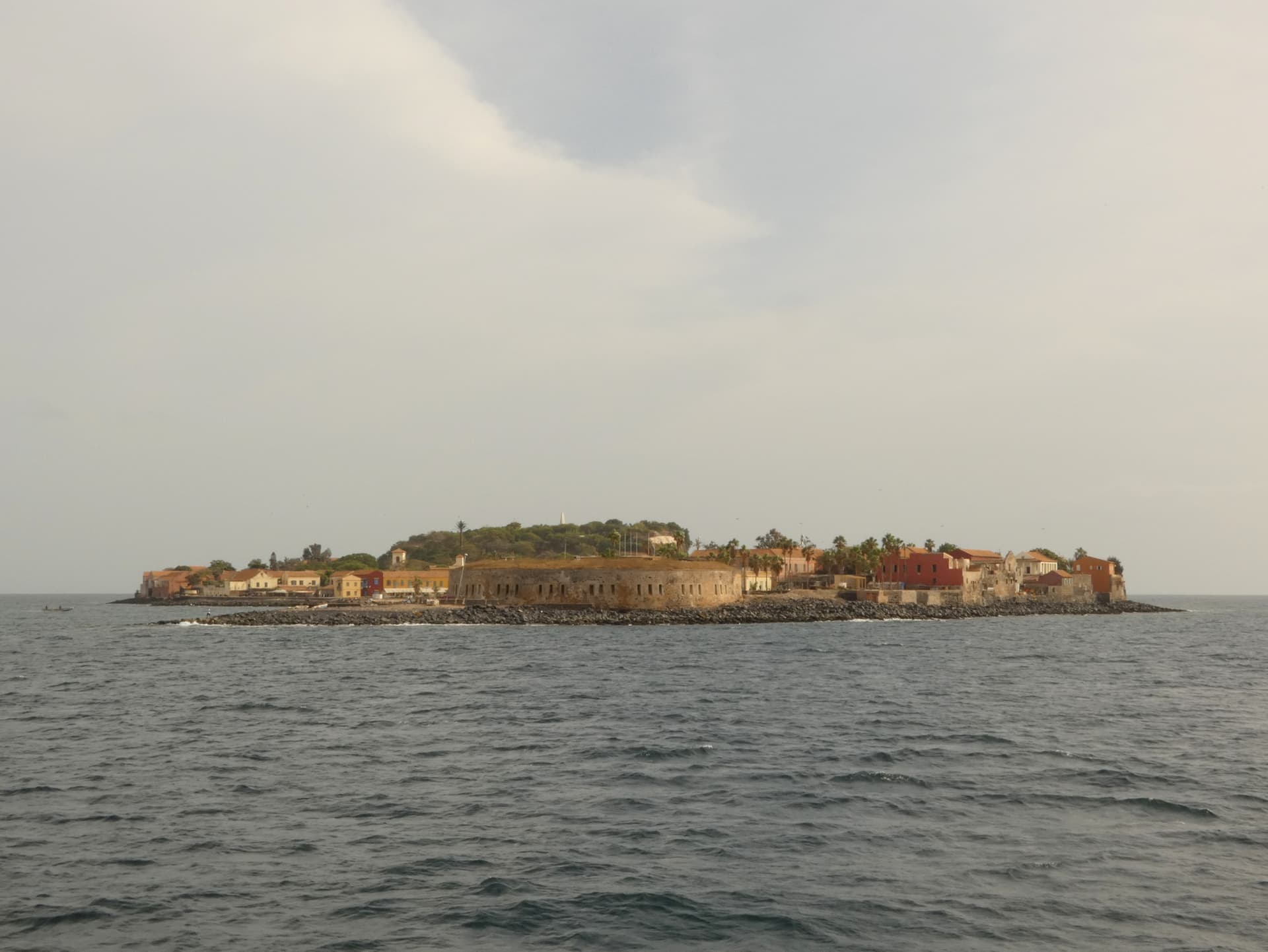
See more →Senegal is West Africa's most accessible country for a first visit, stable, well connected to Europe, and holding a cultural depth that outstrips its size. Dakar sits on the westernmost point of mainland Africa and is the region's cultural capital, with a music scene built around mbalax and a strong contemporary art and fashion sector. Île de Gorée, a short ferry from the city, is a UNESCO World Heritage Site and the location of the… Maison des Esclaves. The African Renaissance Monument stands taller than the Statue of Liberty. The Sine-Saloum Delta is a UNESCO-listed maze of mangrove channels, islands and shell mounds, explored by pirogue, with exceptional birdlife. Djoudj National Bird Sanctuary in the north is one of the world's most important sites for migratory birds, over a million pass through, including vast flamingo and pelican colonies. Saint-Louis, the old colonial capital on an island in the Senegal River, is another UNESCO site. The Casamance in the south has beaches and Diola culture, and Lac Rose, the pink lake, sits outside Dakar.
November to March: dry, cooler and the peak of the bird season. The dry season runs roughly November to May, and November to March is the pick. Coastal temperatures sit around 25–28°C, humidity is low, the harmattan keeps the heat down, and travel throughout the country is straightforward. This window also coincides with the birding peak. The Palearctic migrants are in residence at Djoudj and the Sine-Saloum from roughly November to April, and January and February are the strongest months for sheer numbers. April and May are dry but the heat builds sharply inland, well into the thirties and beyond. The rains fall June to October, heaviest in August and September, and are much more pronounced in the south, the Casamance gets substantially more than Dakar. Unsealed roads deteriorate, some Casamance routes become difficult, and humidity is high. The compensation is a green landscape and low-season prices. The Dakar coast stays comfortable year-round thanks to the Atlantic; whale watching runs roughly November to April.
Senegal is one of the more open countries in the region. Citizens of the United States, Canada, the United Kingdom, the EU and many other countries enter without a visa for tourist stays of up to 90 days. A passport valid at least six months beyond arrival with blank pages is required, along with a return or onward ticket and proof of accommodation. Yellow fever vaccination proof may be requested at the border. ECOWAS nationals enter freely. Nationalities that do require a visa apply at a Senegalese diplomatic mission; Senegal abolished and then partially reinstated its visa regime some years ago, so older guidance circulating online is unreliable. If you plan to visit The Gambia, which Senegal almost entirely surrounds, that is a separate country with its own entry requirements, and the crossing is routine but does need its own paperwork. The Casamance region in the south has a long-running low-level separatist conflict; while the situation has improved considerably, some governments advise caution near the Guinea-Bissau border. Check current advice. Confirm requirements for your nationality before booking.
Yellow fever: vaccination is required and proof may be requested at the border. Senegal has historically enforced this for all arrivals rather than only those from endemic countries, so travel with the certificate regardless of your routing. It must be at least ten days old. Malaria: risk is present throughout the country and is year-round in the south, rising sharply everywhere during and after the rains from June to November. Prophylaxis is recommended for all visitors; risk in Dakar itself is lower but not zero. Commonly recommended: hepatitis A and B, typhoid, tetanus-diphtheria-polio, meningococcal (northern and eastern Senegal fall within the meningitis belt, with risk highest in the dry season), and rabies for extended rural travel. Drink bottled or sachet water. Traveller's diarrhoea is the most common complaint; be sensible with salads and unpeeled fruit outside good restaurants. Schistosomiasis is present in the Senegal River and in Lac de Guiers. Do not swim in fresh water. Atlantic currents off Dakar are strong and drownings occur. Medical facilities in Dakar are the best in the region, with good private clinics. Care in rural areas is limited. Carry insurance including evacuation. See a travel clinic six weeks ahead.
Senegal on the map
Hand-picked safaris, beach escapes, and cultural journeys across Senegal.