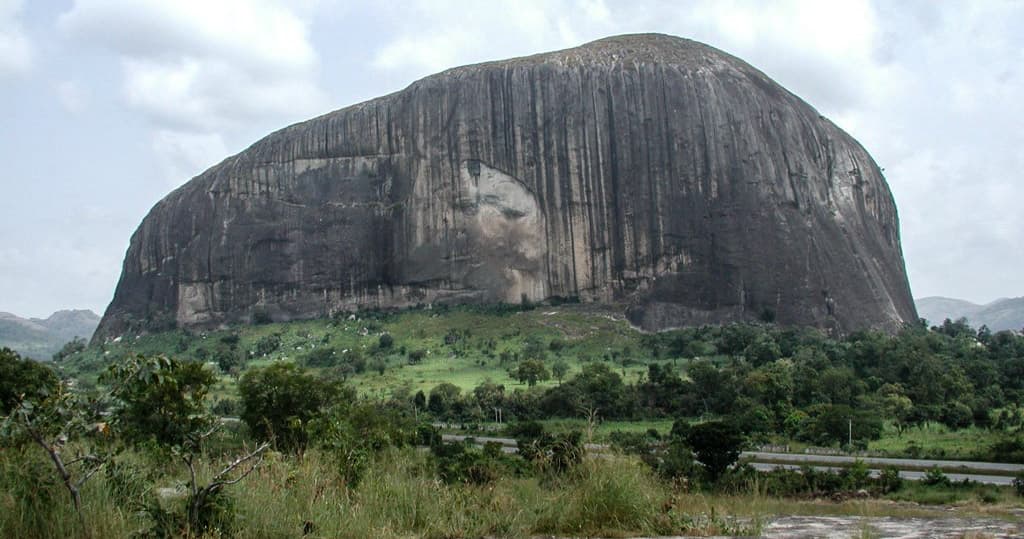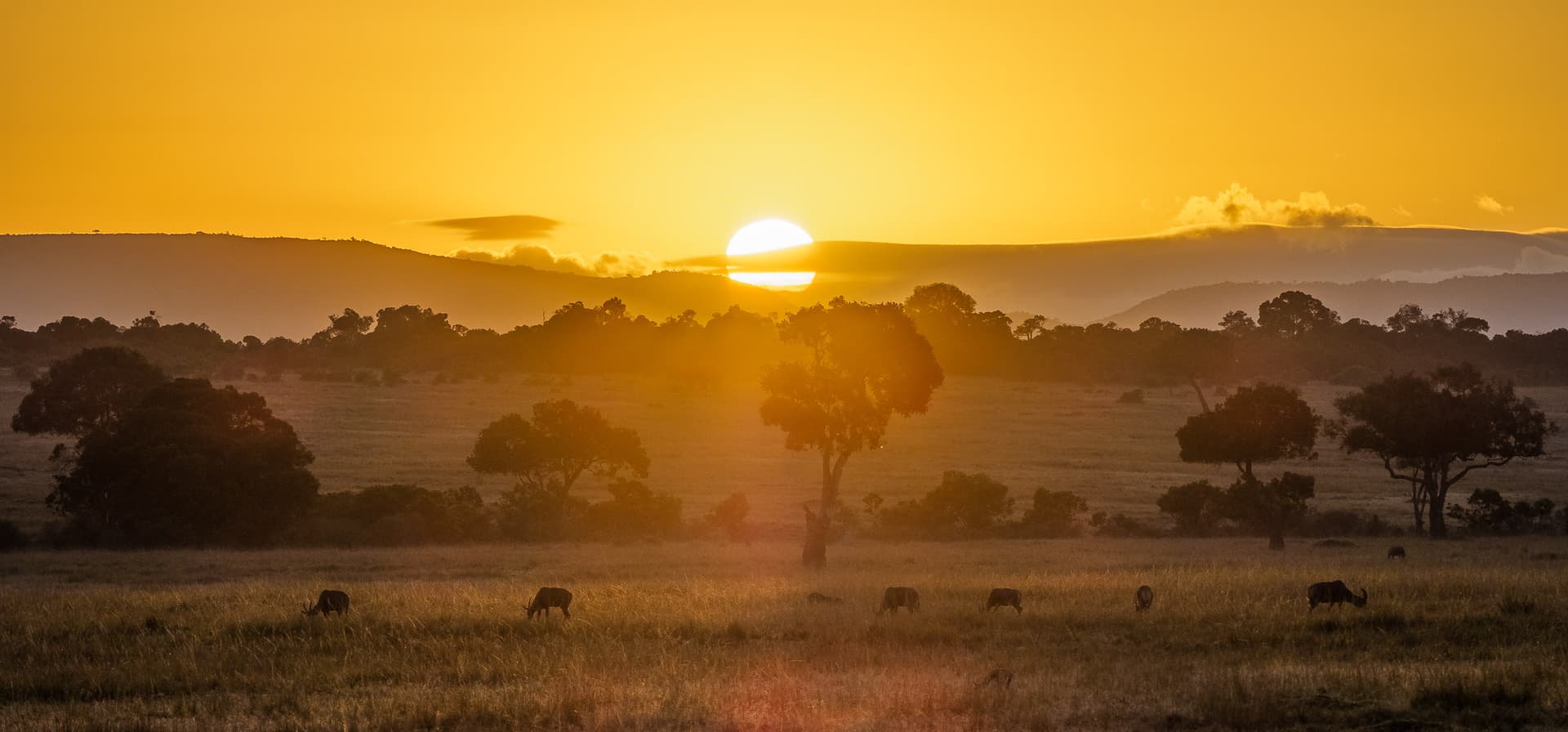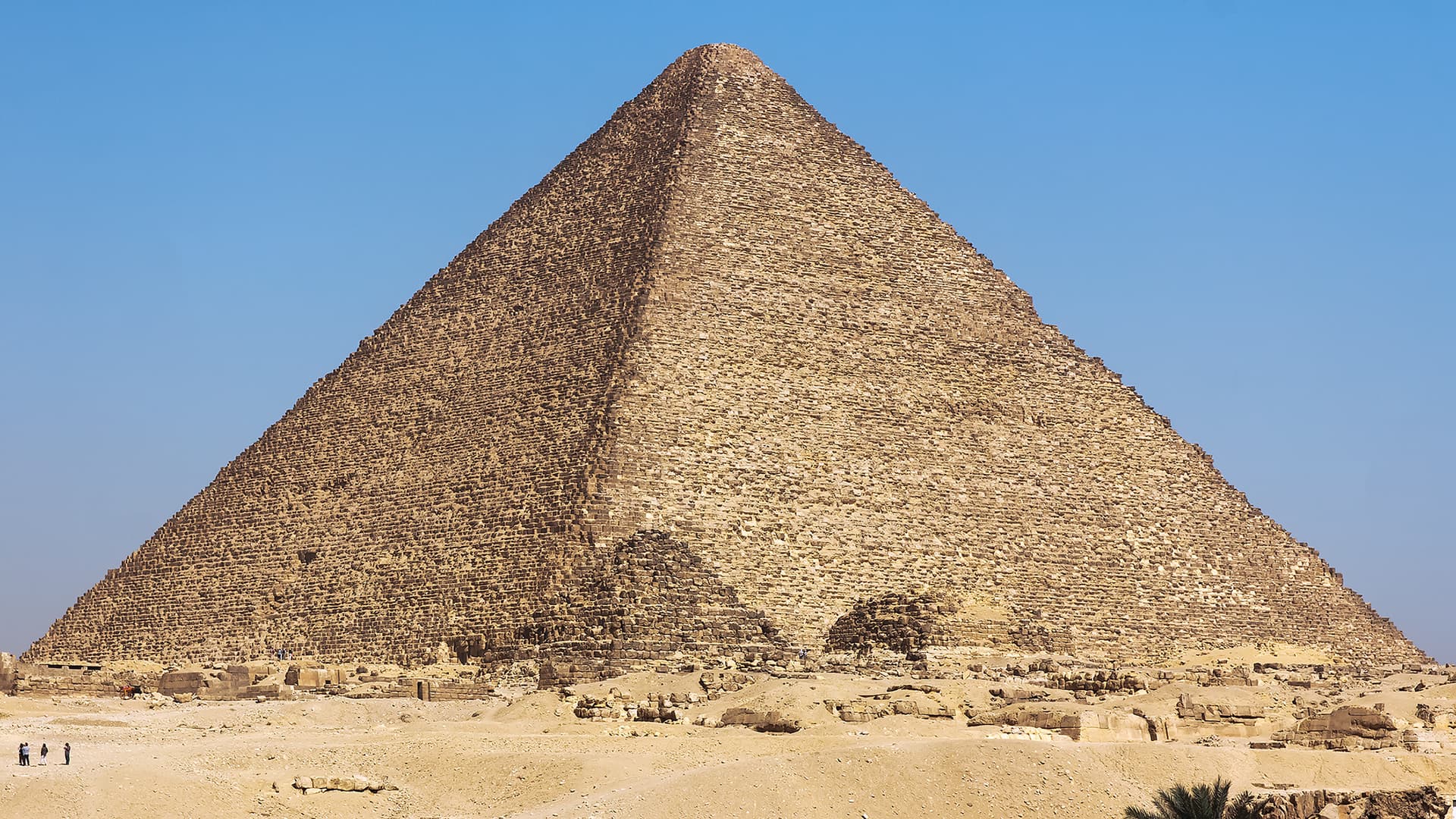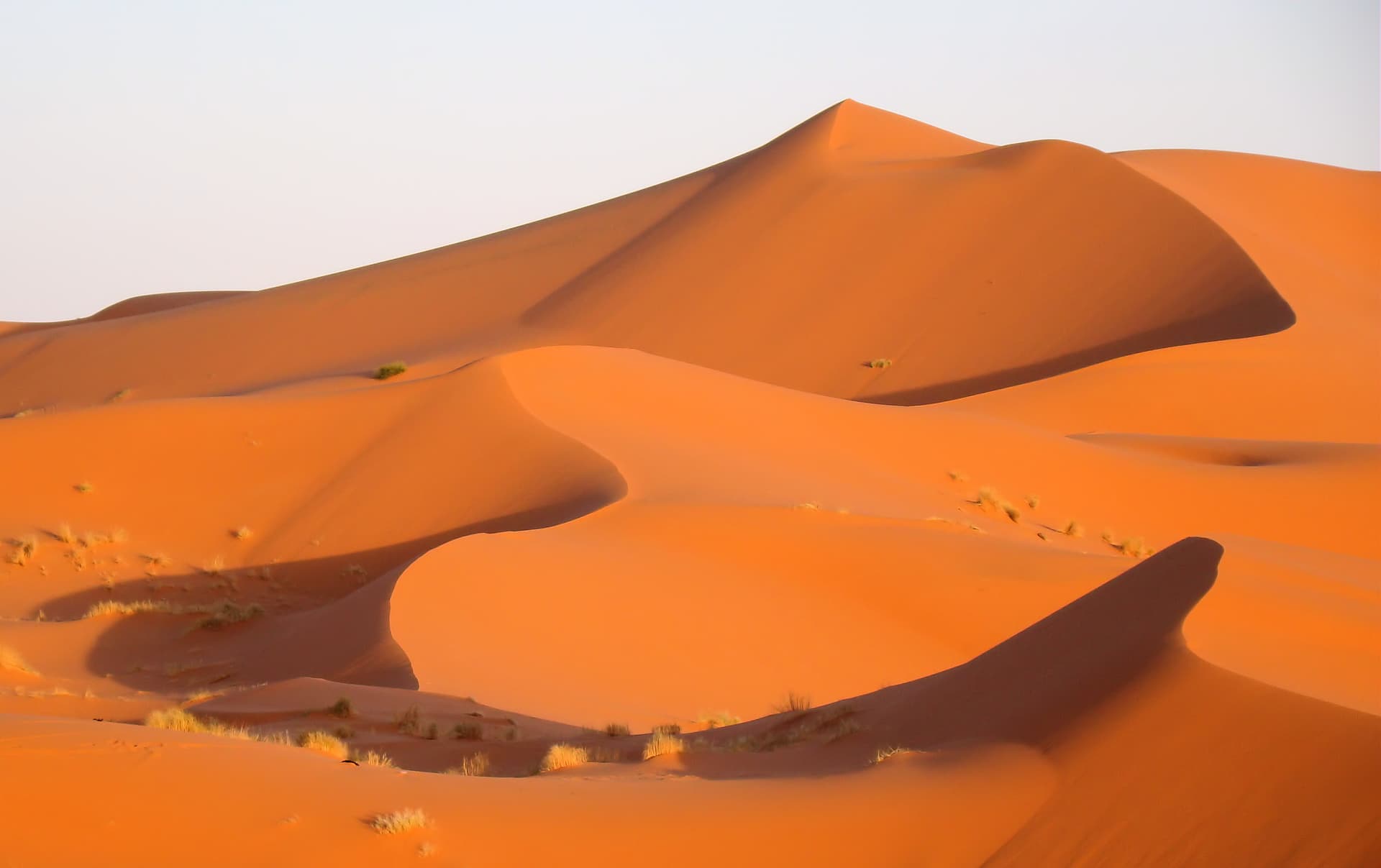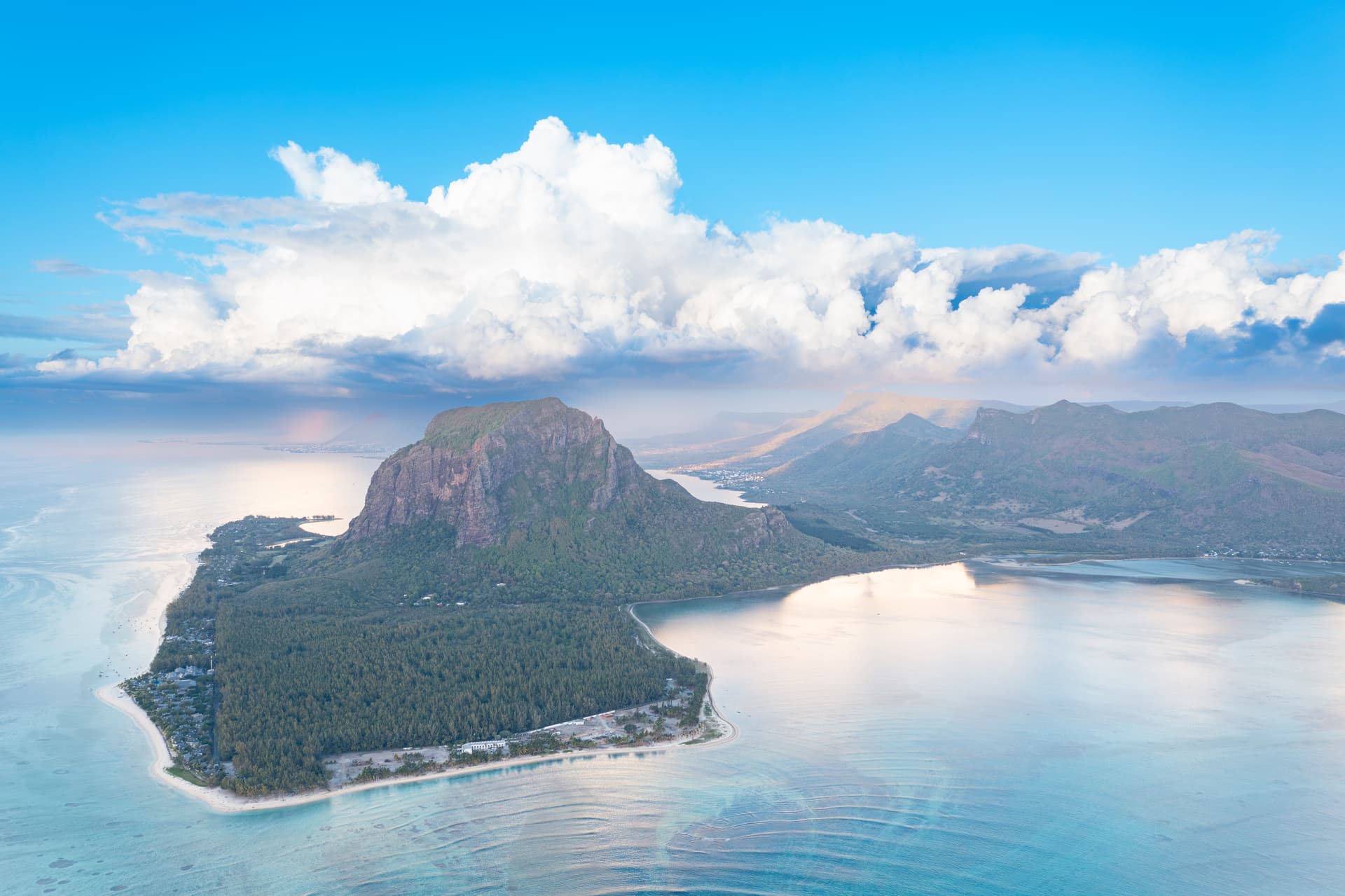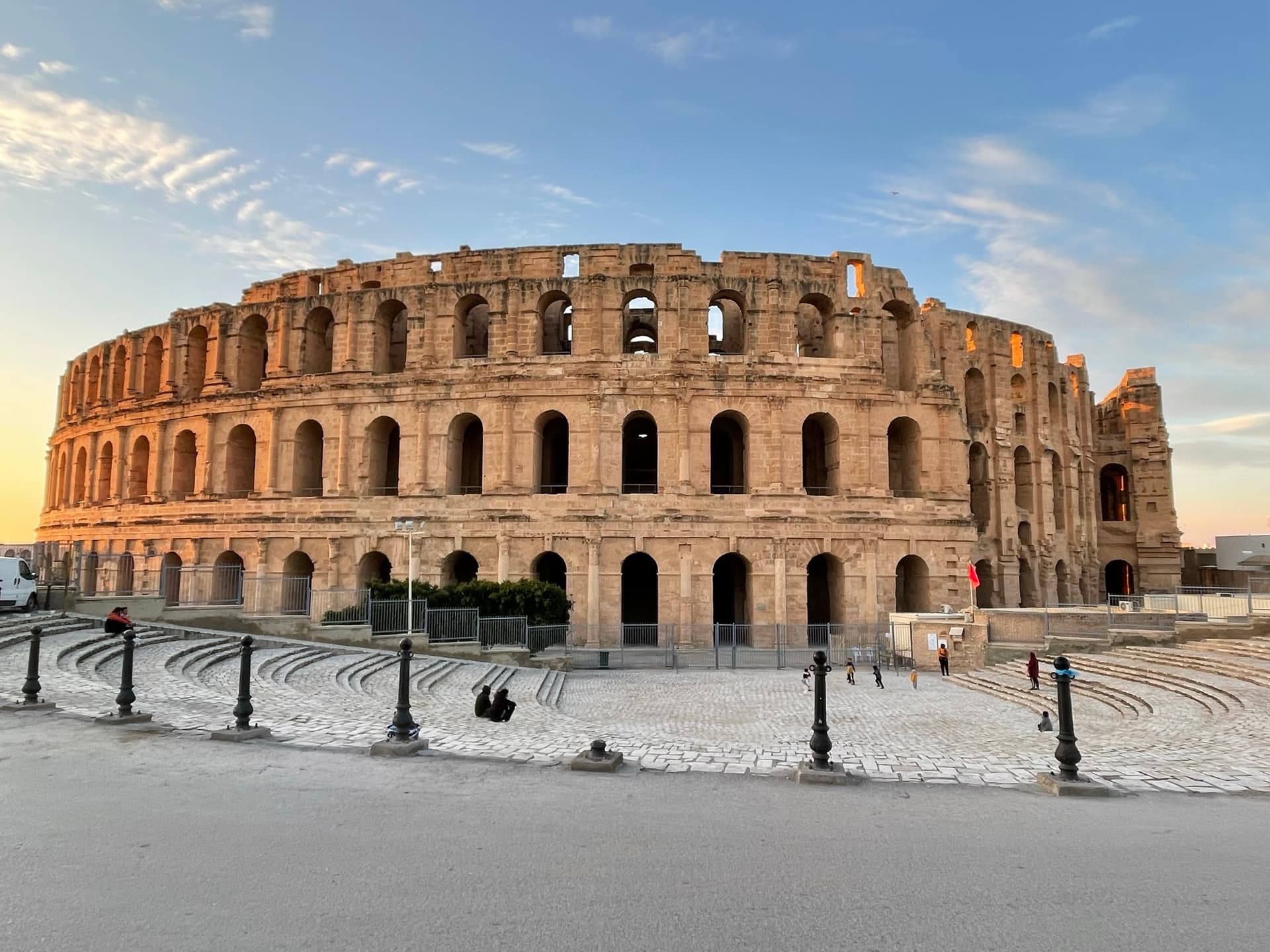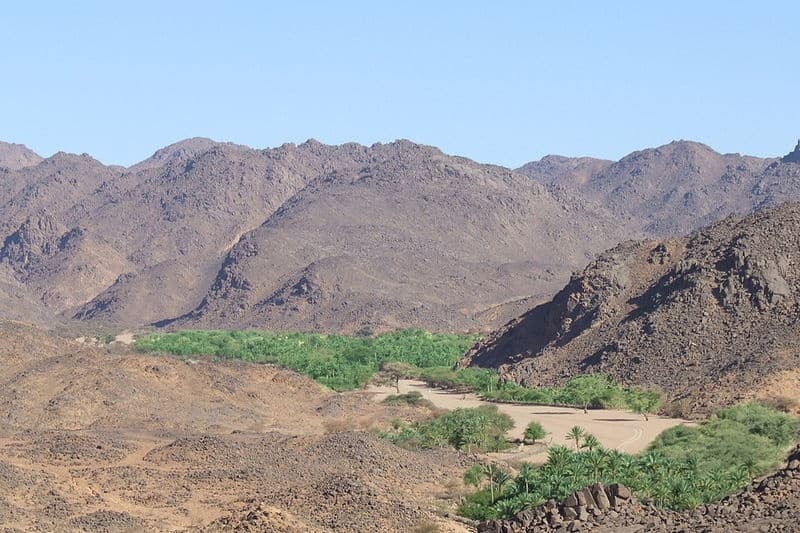
Niger holds the Aïr Mountains and the Ténéré desert, one of the most beautiful and least accessible landscapes in the Sahara, and the largest protected area in Africa.
Read more about Niger →Capital: Niamey
Currency: XOF
Best time: November to February: the cool dry season, and the only tolerable window for the desert.
See more →Niger holds the Aïr Mountains and the Ténéré desert, one of the most beautiful and least accessible landscapes in the Sahara, and the largest protected area in Africa. Agadez, the old caravan city on the southern edge of the Sahara, is a UNESCO World Heritage Site. Its Grand Mosque, built in the sixteenth century and rebuilt in the same mud-brick technique, has a 27 m minaret bristling with the wooden beams used to replaster it,… and is the most recognisable building in the Sahel. The city was the staging post for camel caravans crossing to the salt pans at Bilma. The Aïr and Ténéré Natural Reserves cover 77,000 km² of volcanic massif and dune sea and are a UNESCO site, though listed as in danger. W National Park in the southwest, shared with Benin and Burkina Faso, holds West Africa's most significant remaining lion and elephant populations. The Giraffes of Kouré, southeast of Niamey, are the last wild West African giraffe on earth. Since 2015 insecurity and the 2023 coup have closed most of the country to visitors.
November to February: the cool dry season, and the only tolerable window for the desert. Niger is one of the hottest countries on earth and the season is entirely about heat. From November to February daytime temperatures are manageable and the desert nights are genuinely cold, which is the window in which Aïr and Ténéré expeditions historically ran and when Agadez is comfortable. The Cure Salée, the Wodaabe and Tuareg gathering at In-Gall with the Gerewol courtship ceremony, traditionally falls in September at the end of the rains and was one of the great cultural events in Africa. March to May is the hot dry season, regularly passing 45°C, and desert travel effectively stops. The rains fall June to September, concentrated in the south; they green the Sahel, make the Kouré giraffe area lush, and turn unsealed roads to mud. As with Mali and Burkina Faso, weather is not the binding constraint. Most governments advise against all travel to Niger and much of the country is inaccessible; check current advice.
A visa is required for most nationalities and must be obtained in advance; there is no reliable visa on arrival. Apply at a Nigerien embassy or consulate with a completed application, passport photos, a passport valid at least six months beyond arrival, proof of accommodation or a letter of invitation, a return ticket, evidence of sufficient funds, and your yellow fever vaccination certificate, which is required for all travellers aged nine months and over. ECOWAS nationals can enter without a visa for up to 90 days, although Niger's relationship with ECOWAS has changed following the 2023 coup and the position should be verified. Travel outside Niamey generally requires permits and, in most regions, an escort. Access to Agadez, the Aïr and the Ténéré has been closed to tourists for extended periods. The security picture is severe: Level 4 do-not-travel advisories are in place from the United States, United Kingdom, Canada, Australia and the EU, citing terrorism, kidnapping, crime and political instability. Westerners have been abducted from Agadez itself. Standard travel insurance is void under such an advisory. Check current advice before any planning.
Yellow fever: proof of vaccination is required for all travellers aged nine months and over, and the certificate must show the injection was given at least ten days before arrival. It is checked on entry. Malaria: risk is high and year-round in the south including Niamey, peaking during and after the rains from June to October. Prophylaxis is essential. The far northern desert is lower-risk, but almost every route passes through the Sahel. Commonly recommended: hepatitis A and B, typhoid, tetanus-diphtheria-polio, and meningococcal. Niger sits in the African meningitis belt and epidemics are a recurring dry-season event, so this is a real rather than nominal recommendation. Cholera and rabies vaccination are advised for some itineraries. Drink only bottled or properly treated water. Cholera outbreaks occur regularly. Heat is the environmental danger. Dehydration and heatstroke are serious risks for most of the year, and desert nights are cold enough to require proper layers. Medical facilities are minimal, including in Niamey, and largely absent elsewhere. There is no dependable emergency evacuation infrastructure and the security situation constrains what is possible. Bring the full trip's supply of prescription medication and a comprehensive first-aid kit. Consult a travel medicine specialist at least eight weeks ahead.
Niger on the map
Hand-picked safaris, beach escapes, and cultural journeys across Niger.