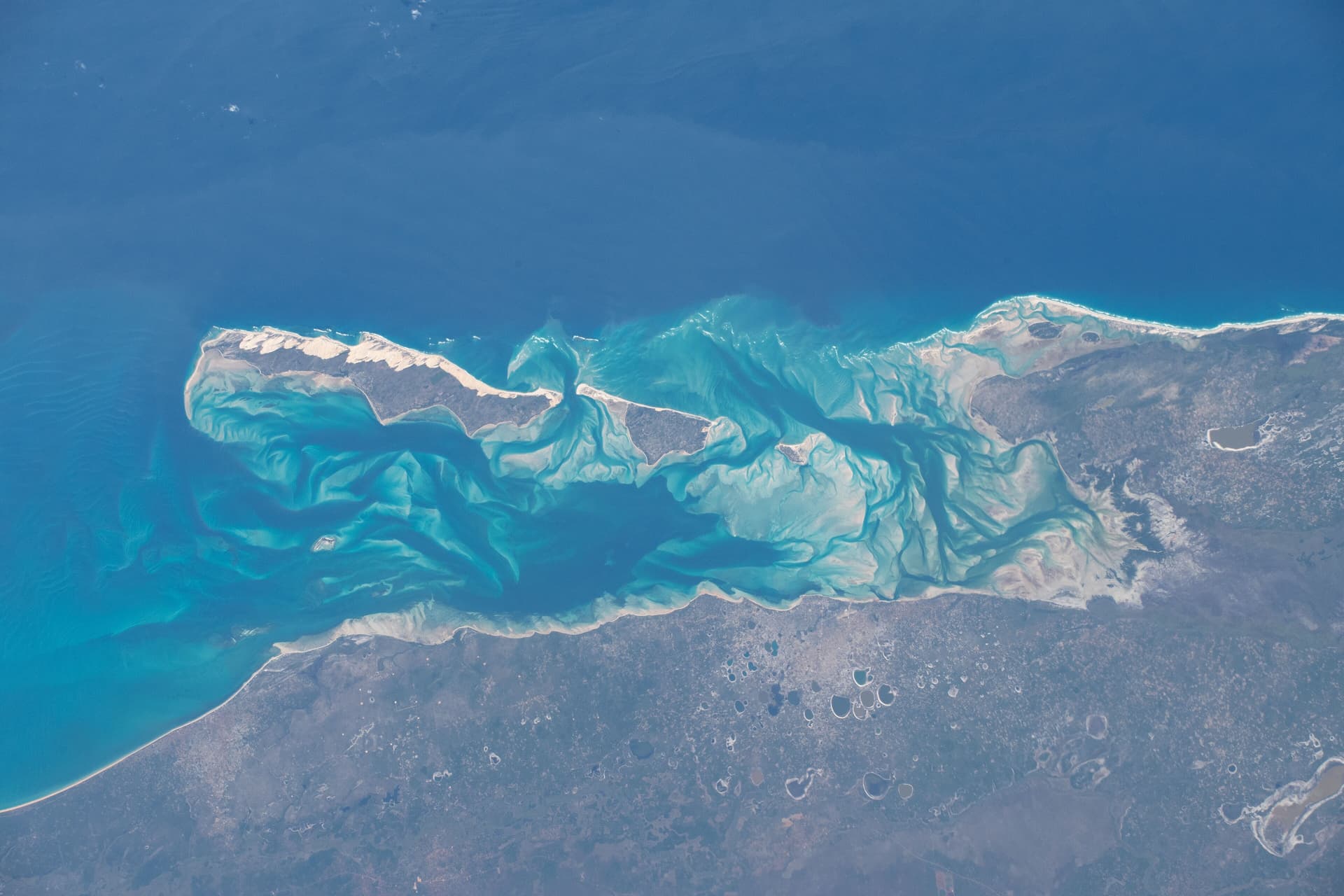
Mozambique is 2,500 km of Indian Ocean coastline, and the coast is the reason to come, warm water, coral in good condition, and islands that remain genuinely quiet.
Read more about Mozambique →Capital: Maputo
Currency: MZN
Best time: May to November: the dry season, with the best diving from October to March.
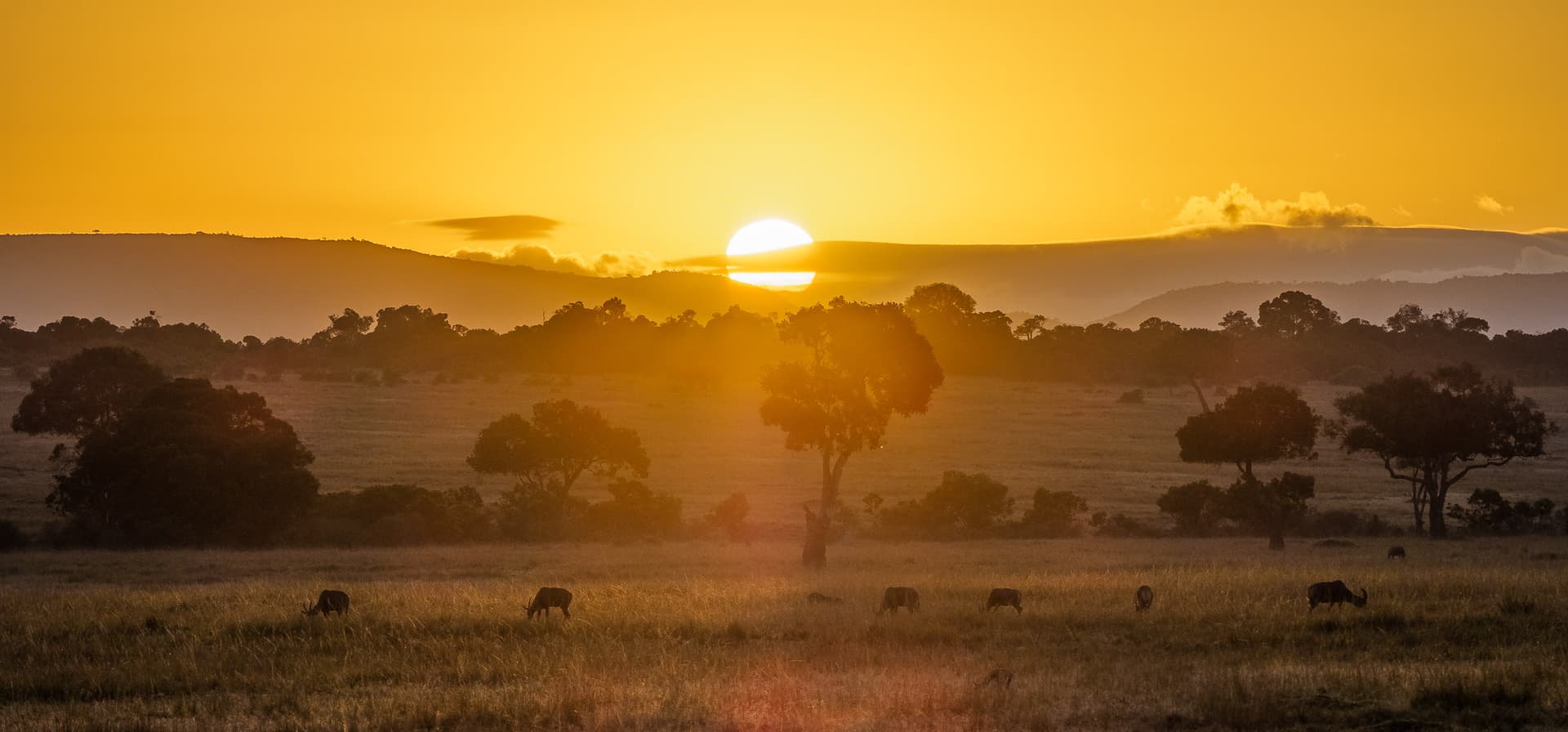
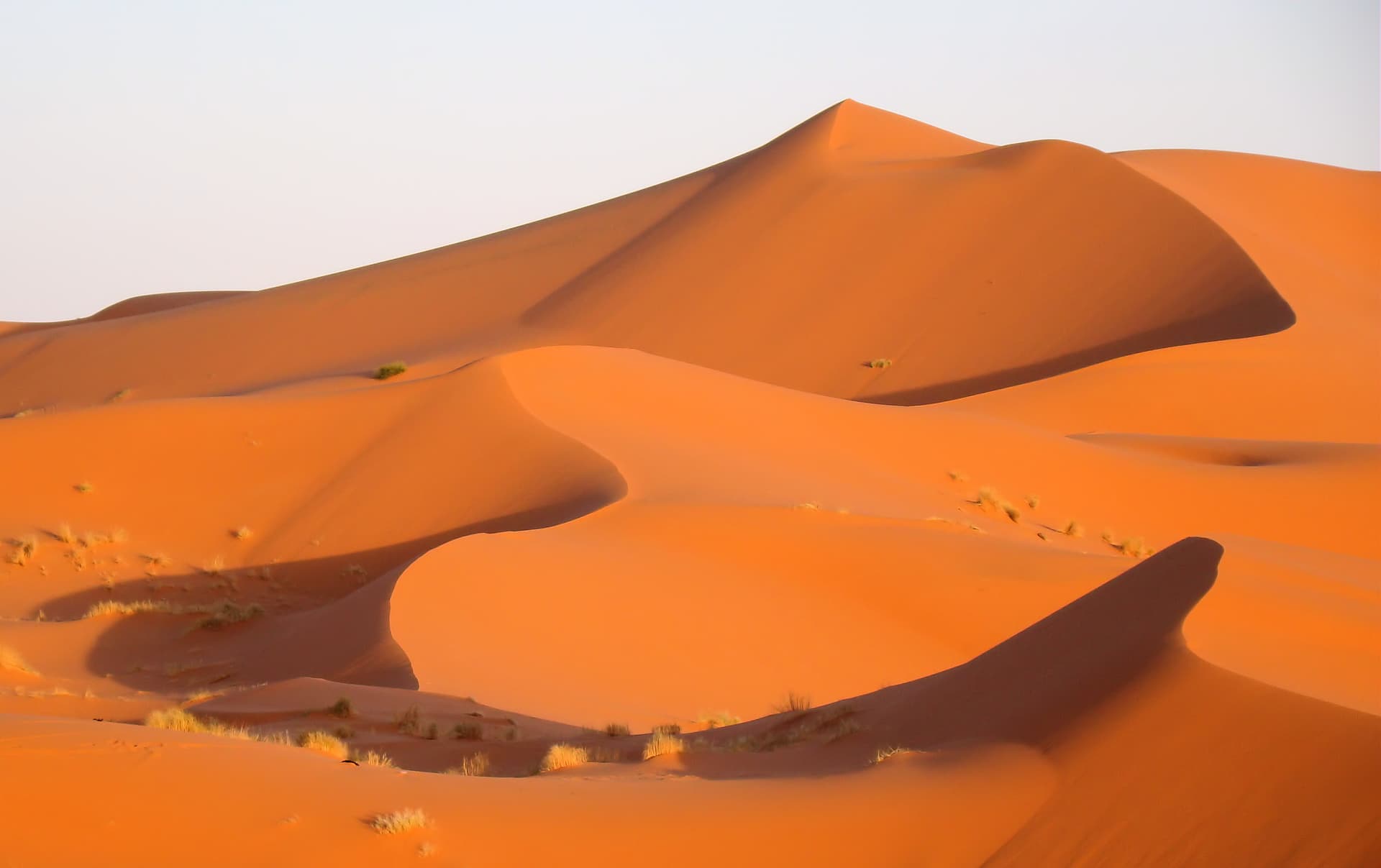
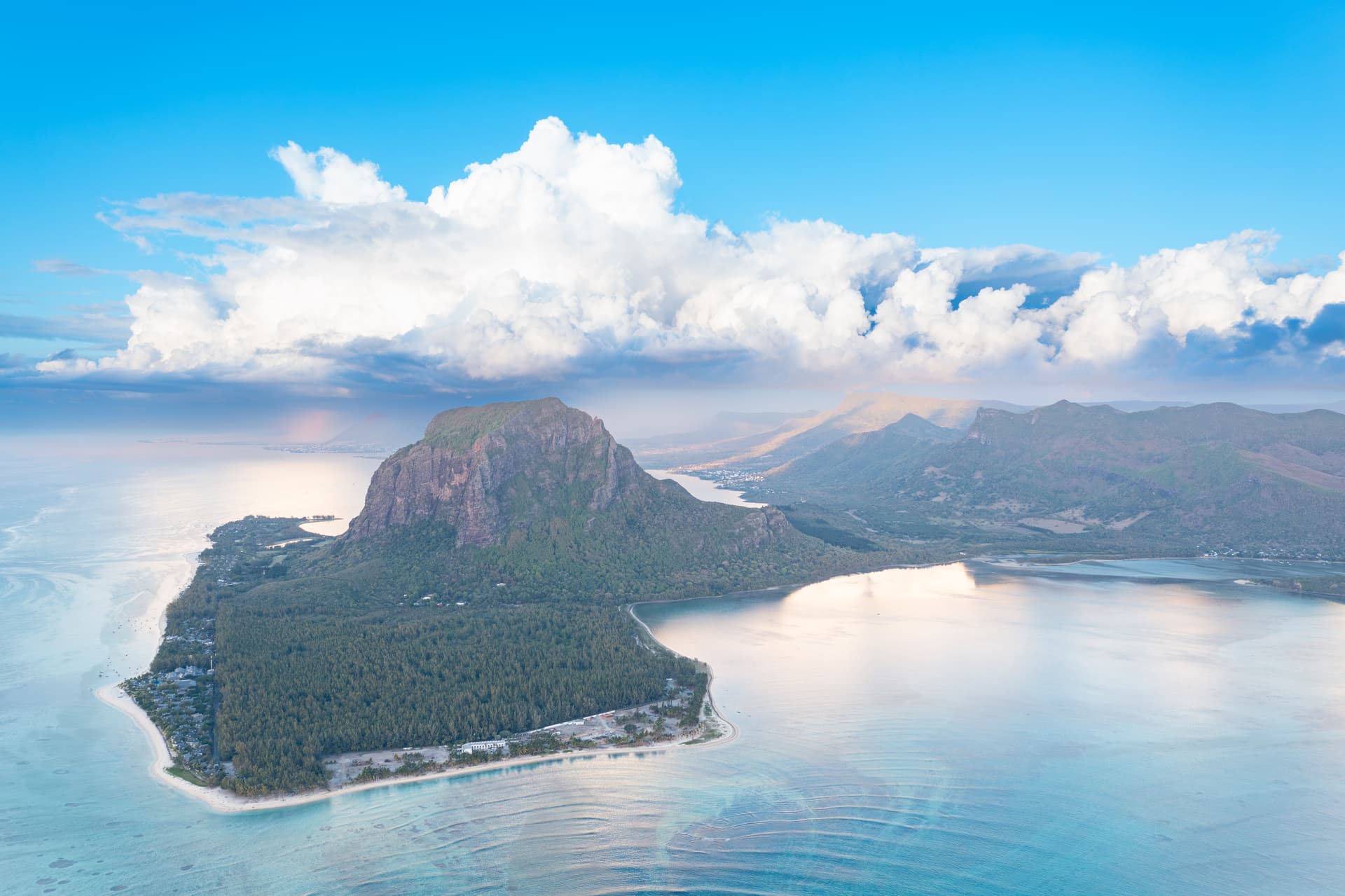
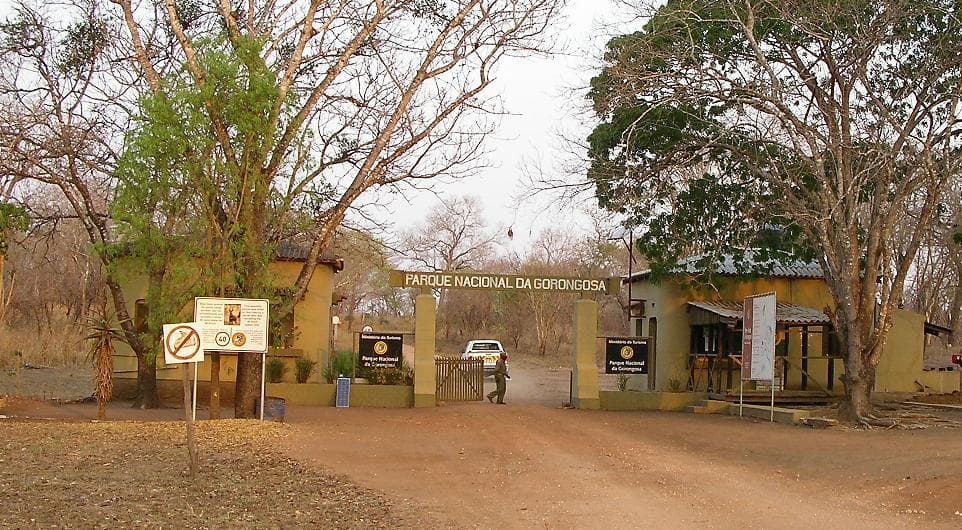
See more →Mozambique is 2,500 km of Indian Ocean coastline, and the coast is the reason to come, warm water, coral in good condition, and islands that remain genuinely quiet. The Bazaruto Archipelago off Vilanculos is the best known: five islands with enormous dunes, protected reef, and one of the last viable dugong populations in the western Indian Ocean. Further north, the Quirimbas Archipelago is wilder and less developed, with Ibo Island's crumbling Portuguese fort and silversmiths,… and diving that sees very few boats. Tofo, south of Inhambane, is the reliable place in Africa to dive with whale sharks and manta rays. Inland, Gorongosa National Park is one of the great conservation recoveries, a park effectively emptied during the civil war and rebuilt over two decades into a functioning ecosystem with lion, elephant and one of the densest raptor populations in the region. Ilha de Moçambique, the old colonial capital, is a UNESCO World Heritage Site.
May to November: the dry season, with the best diving from October to March. The cool dry season, May to November, is the general-purpose window: comfortable temperatures, low humidity, minimal rain, and the safest period for road travel in the north. It suits island stays, Gorongosa game viewing and the Quirimbas equally. Diving has its own calendar. Water is warmest and visibility best from around October to March. Whale sharks are at Tofo year-round but peak between October and March; manta rays are most reliable from May to September. Humpback whales pass along the coast between July and October. The wet season, roughly December to April, brings heat, humidity and heavy rain, and the cyclone risk along this coastline is real. January to March is the peak window and has produced serious storms in recent years. Some island lodges close outright. Rates are lowest, and the bush is at its greenest. Gorongosa is at its best from May to October and generally closes during the height of the rains.
Mozambique liberalised its entry rules and a large number of nationalities now enter visa-free for tourist stays of up to 30 days, extendable once. The exemption covers most major source markets including the United States, United Kingdom, Canada, the EU, the UAE and several Asian countries. Where a visa is needed, an electronic travel authorisation system operates through the immigration service, and visas are also obtainable at Mozambican missions. A visa on arrival exists at Maputo International and certain land borders for some nationalities, but the process can be slow and is not guaranteed, arrange it in advance where you can. A passport valid at least six months beyond arrival with blank pages is required, plus proof of accommodation and a return or onward ticket. If you are driving in from South Africa or Eswatini, you will need the vehicle's registration papers, a cross-border letter if it is a rental, third-party insurance bought at the border, and the reflective triangles and vest required by Mozambican law. Check current requirements for your nationality before booking, and consult your government's travel advice on the security situation in Cabo Delgado province, which affects access to the northern Quirimbas.
Yellow fever: a certificate is required if you are arriving from, or have transited through, a country with risk of yellow fever transmission. Not required for direct arrivals from Europe or North America. Malaria: risk is year-round and high across the entire country, including all the coastal and island resorts, Maputo and Gorongosa. Prophylaxis is strongly recommended for every visitor: this is not a country where the islands are an exception. Commonly recommended: hepatitis A and B, typhoid, tetanus-diphtheria-polio, cholera for some itineraries, and rabies for extended rural travel. Practical notes: drink bottled or properly treated water; cholera outbreaks occur, particularly after flooding. Marine hazards are the underrated risk on this coast: stonefish and sea urchins on the reef flats make reef shoes worthwhile, and currents around the archipelago channels are strong. Medical facilities are limited outside Maputo, and the island lodges are a boat or light-aircraft transfer from the mainland. Decompression chambers are scarce, which matters for divers. Insurance covering emergency evacuation, and specifically covering diving if you intend to dive, is essential. See a travel clinic four to six weeks before departure.
Places worth building a trip around in Mozambique, from our travel writing.
Mozambique on the map
Hand-picked safaris, beach escapes, and cultural journeys across Mozambique.