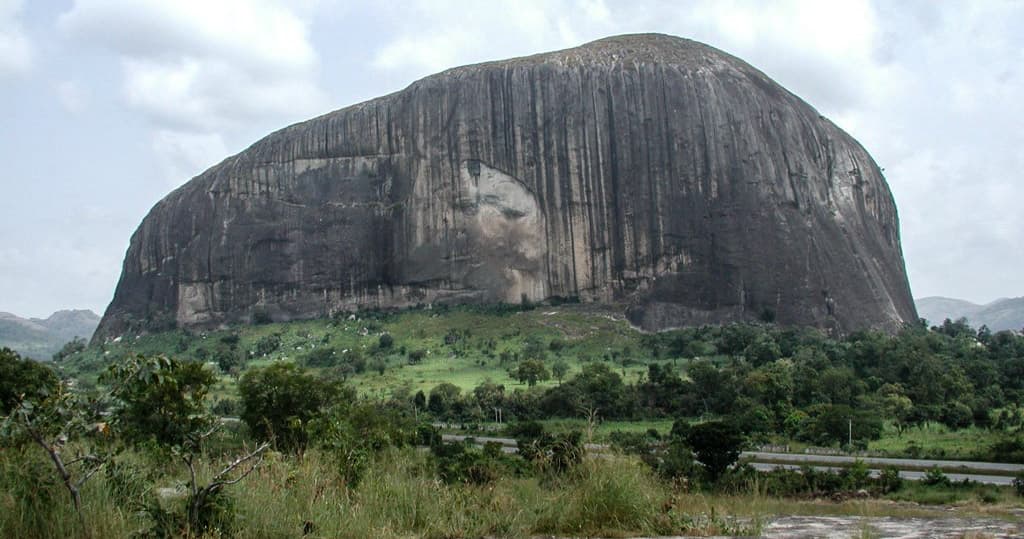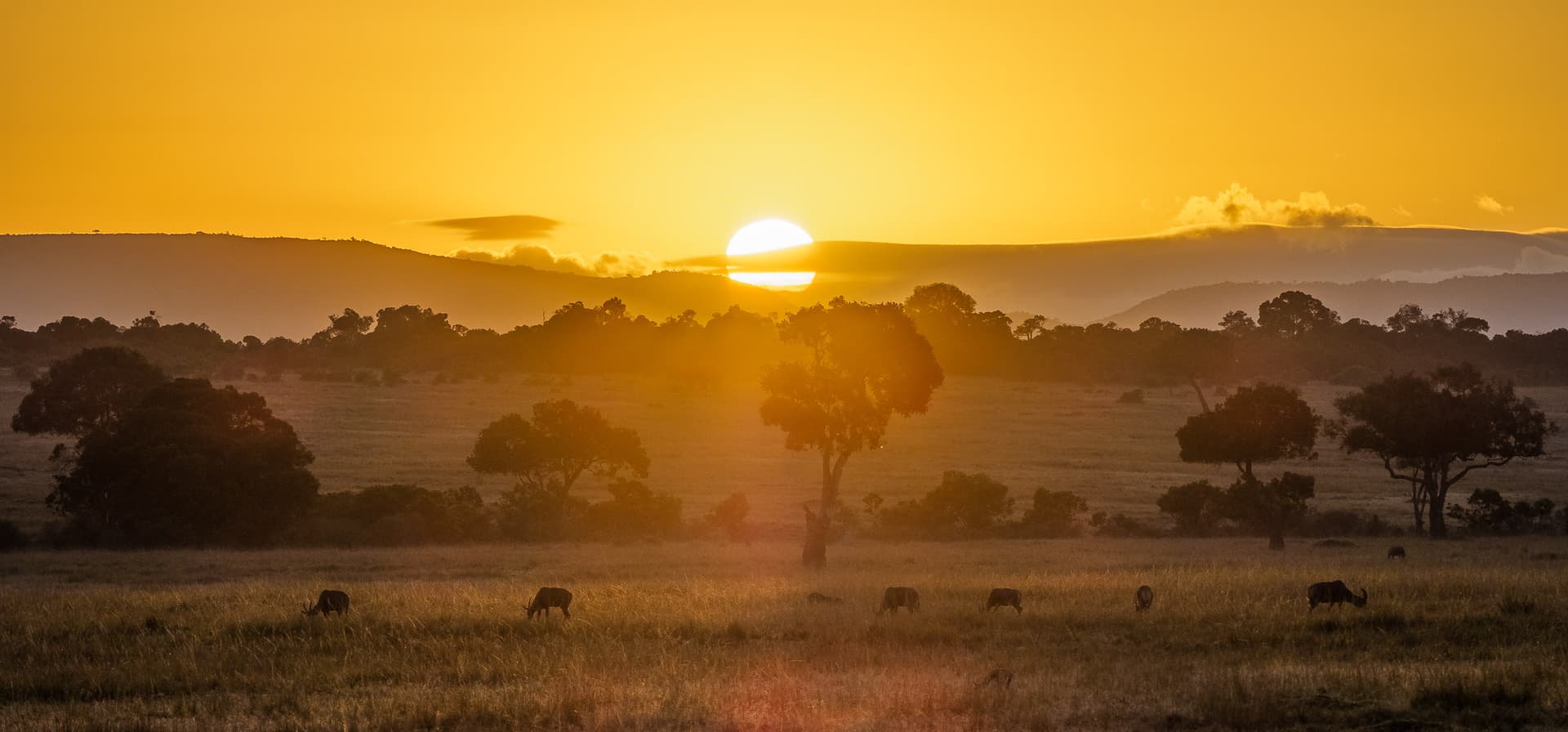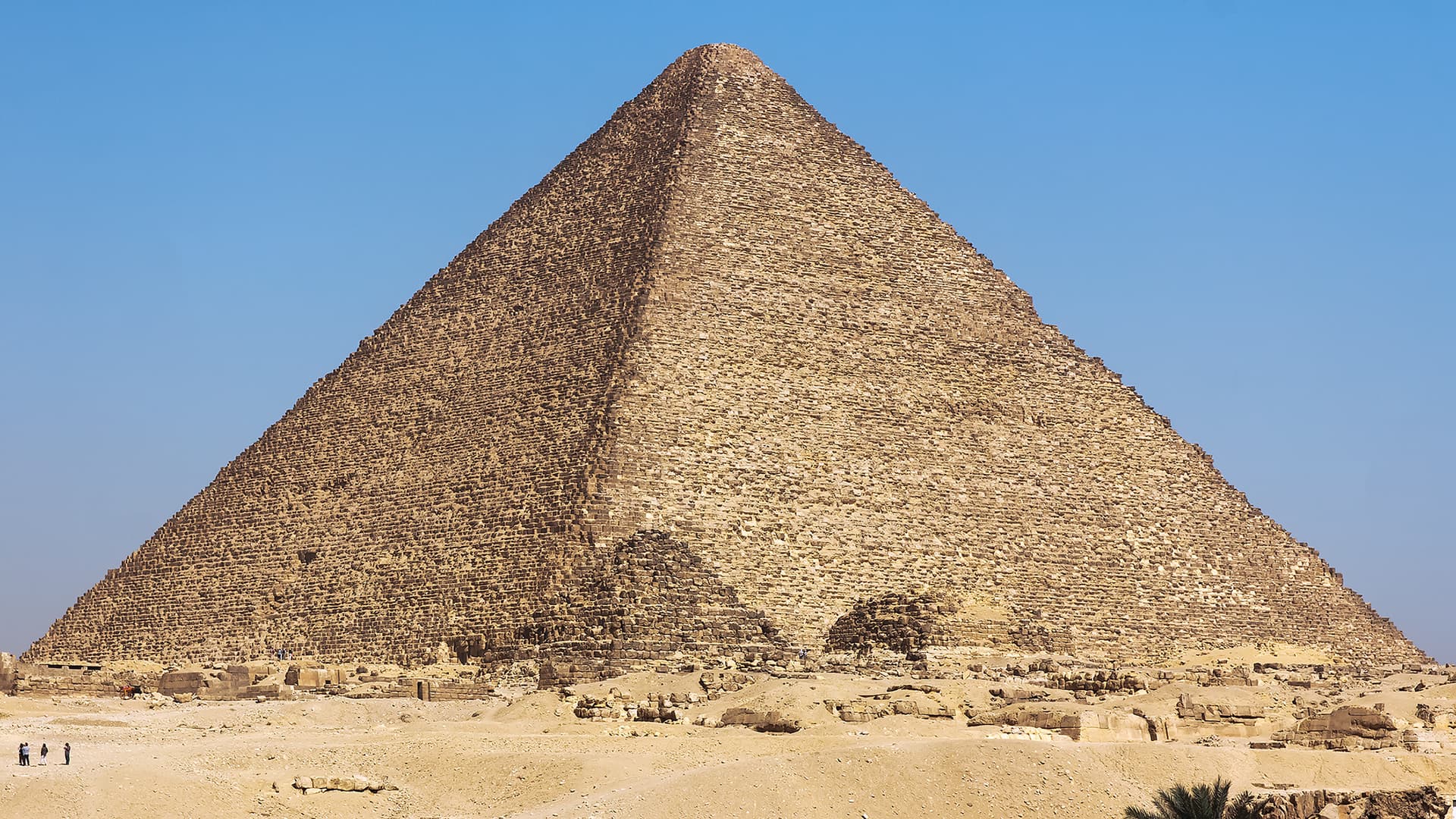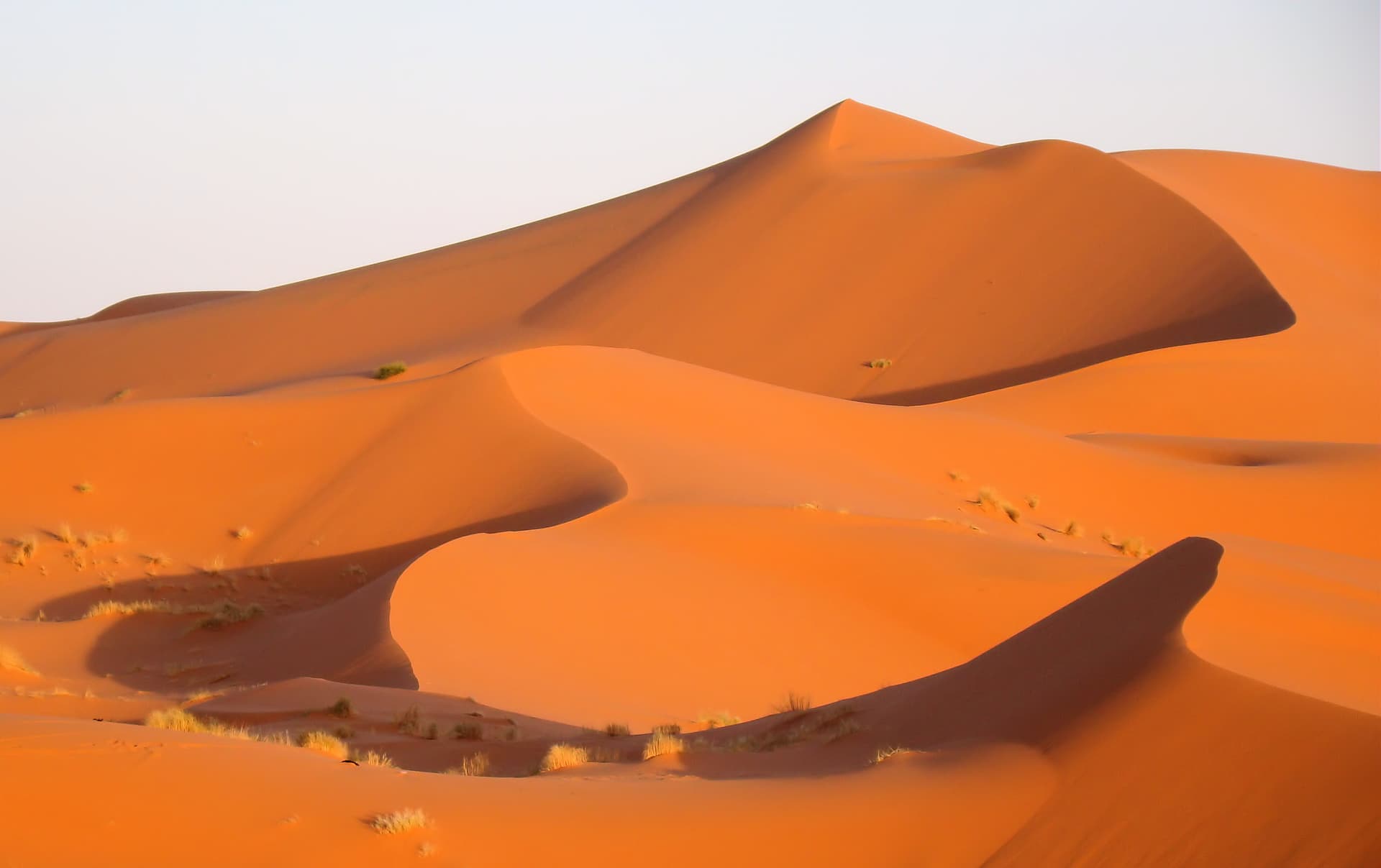
Mali was one of West Africa's great destinations and its monuments remain, even as access to most of them has closed.
Read more about Mali →Capital: Bamako
Currency: XOF
Best time: November to February: the cool dry season, and the traditional festival window.
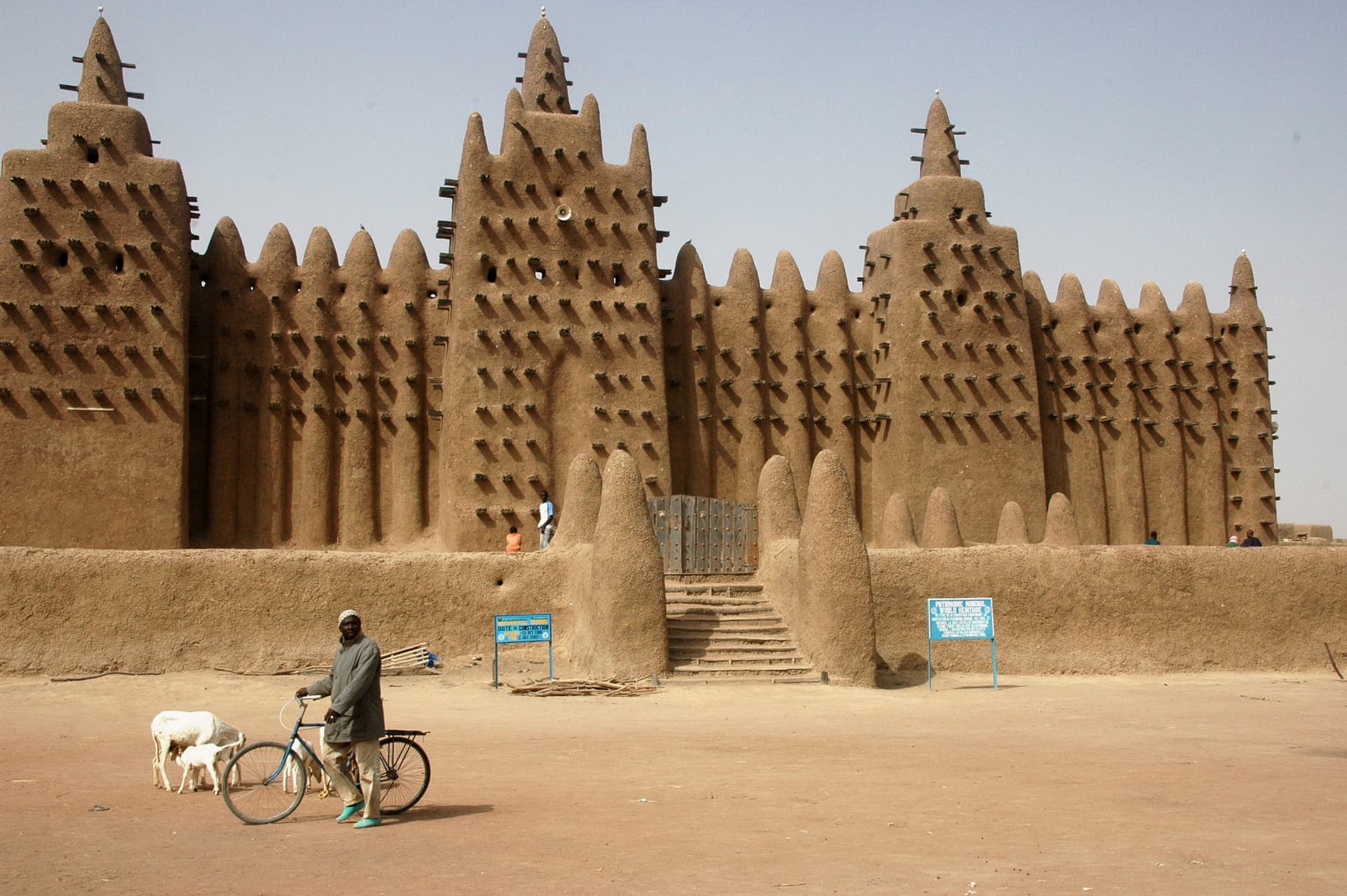
See more →Mali was one of West Africa's great destinations and its monuments remain, even as access to most of them has closed. Djenné's Great Mosque is the largest mud-brick building in the world, replastered each year by the whole town in a communal festival, and the old town is a UNESCO World Heritage Site. Timbuktu, at the point where the Niger bends towards the Sahara, was a centre of Islamic scholarship holding hundreds of thousands of… manuscripts, many of which were smuggled to Bamako for safekeeping in 2012. The Bandiagara Escarpment in Dogon country is a 150 km cliff lined with cliff villages and abandoned Tellem granaries, and was among the finest trekking in Africa. The Niger River itself, navigable by pinasse between Mopti and Timbuktu, was the classic Malian journey. Bamako remains a centre of West African music, home to Ali Farka Touré's legacy and the Festival au Désert before it was displaced. Since 2012 a jihadist insurgency has controlled much of the north and centre. Most governments advise against all travel.
November to February: the cool dry season, and the traditional festival window. The cool dry season from November to February is the only genuinely comfortable period: daytime temperatures around 25–30°C, cold desert nights, and the harmattan bringing dust and haze. This is when the river level allowed pinasse travel between Mopti and Timbuktu, and when the major cultural festivals were held. March to June is the hot dry season and it is brutal: Mali records some of the highest temperatures on the continent, well past 45°C, and travel becomes an endurance exercise. The rains fall July to October, heaviest in August. They green the south, raise the Niger, and make unsealed roads difficult. The Djenné mosque replastering festival takes place at the end of the rains, usually in April or May depending on the year. Season is not the operative constraint. The security situation determines whether any travel is possible, and it has closed the north entirely; check your government's current advice before considering a trip.
Most nationalities require a tourist visa. Visa on arrival has been available at Bamako's Modibo Keïta International Airport for some nationalities, but obtaining the visa in advance from a Malian embassy is materially safer. Requirements include a passport valid at least six months beyond arrival, passport photos, proof of accommodation or a letter of invitation, a return ticket, and your yellow fever vaccination certificate, which is mandatory and without which entry is refused. ECOWAS nationals enter without a visa. One significant change: as of January 2026 the Government of Mali suspended visa issuance to United States citizens, with limited exceptions. Verify the position for your own nationality directly. The practical position on the ground matters more than the paperwork. Timbuktu, Gao, Kidal and the Mopti region including Dogon country are effectively inaccessible to tourists. Djenné has at times been reachable with local support and accepted risk. Movement outside Bamako typically requires escorts and is restricted. Most governments advise against all travel to Mali. Standard travel insurance is void under such an advisory, and specialist high-risk cover is required.
Yellow fever: proof of vaccination is required on entry, the International Certificate of Vaccination or Prophylaxis, and you may be denied entry without it. Get it at least ten days before travel. Malaria: risk is high and year-round throughout the country including Bamako, peaking during and after the rains. Prophylaxis is essential for every visitor. Commonly recommended: hepatitis A and B, typhoid, meningococcal, Mali is in the heart of the African meningitis belt and epidemics occur in the dry season, so this matters, tetanus-diphtheria-polio, cholera, and rabies as pre-exposure cover for rural travel. Drink only bottled or properly treated water. Cholera outbreaks occur. Schistosomiasis is present throughout the Niger and its tributaries; do not swim or wade in fresh water. Heat and dehydration are severe in the hot season and are a genuine cause of medical emergencies. Medical facilities are limited even in Bamako and largely absent in conflict-affected regions, where many health centres have closed. Evacuation options are constrained by the security situation. Bring the full trip's supply of prescription medication and a comprehensive first-aid kit, and understand that ordinary travel insurance will not cover you here. Consult a travel medicine specialist at least eight weeks ahead.
Mali on the map
Hand-picked safaris, beach escapes, and cultural journeys across Mali.