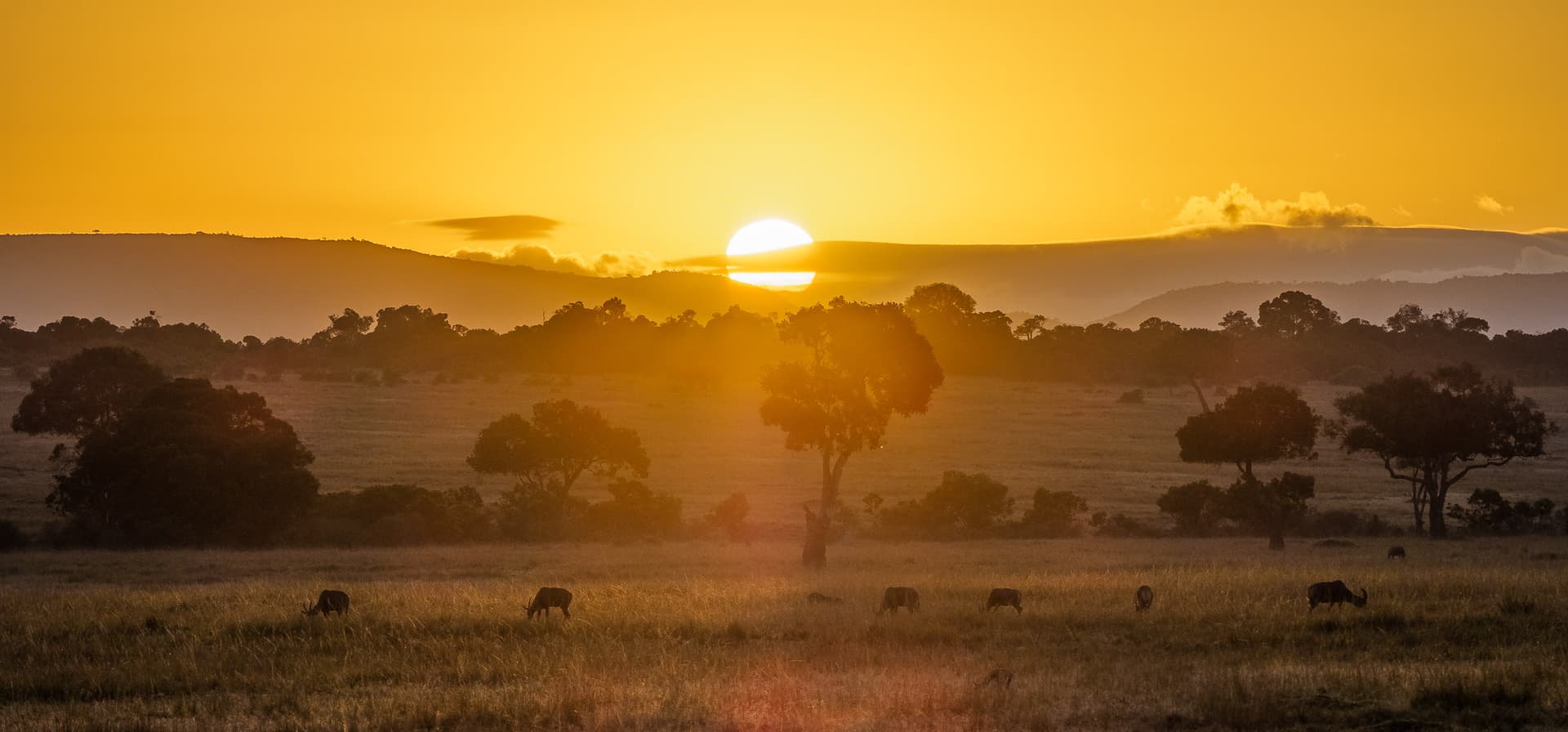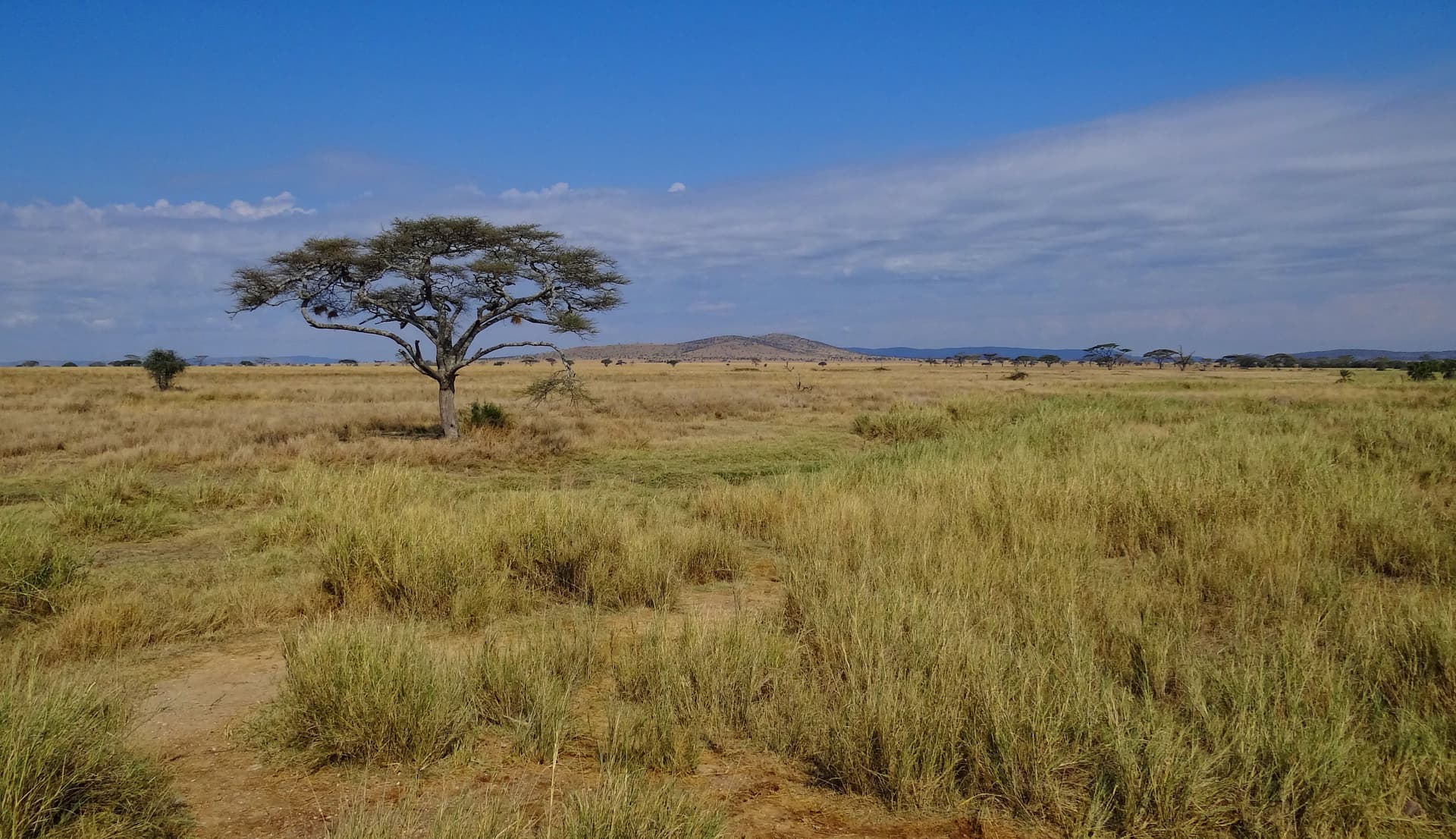
Malawi's nickname, the warm heart of Africa, is about the people rather than the climate, and it is the thing visitors mention first.
Read more about Malawi →Capital: Lilongwe
Currency: MWK
Best time: May to October: the dry season, with September and October best for wildlife.
See more →Comfort: LUXURY
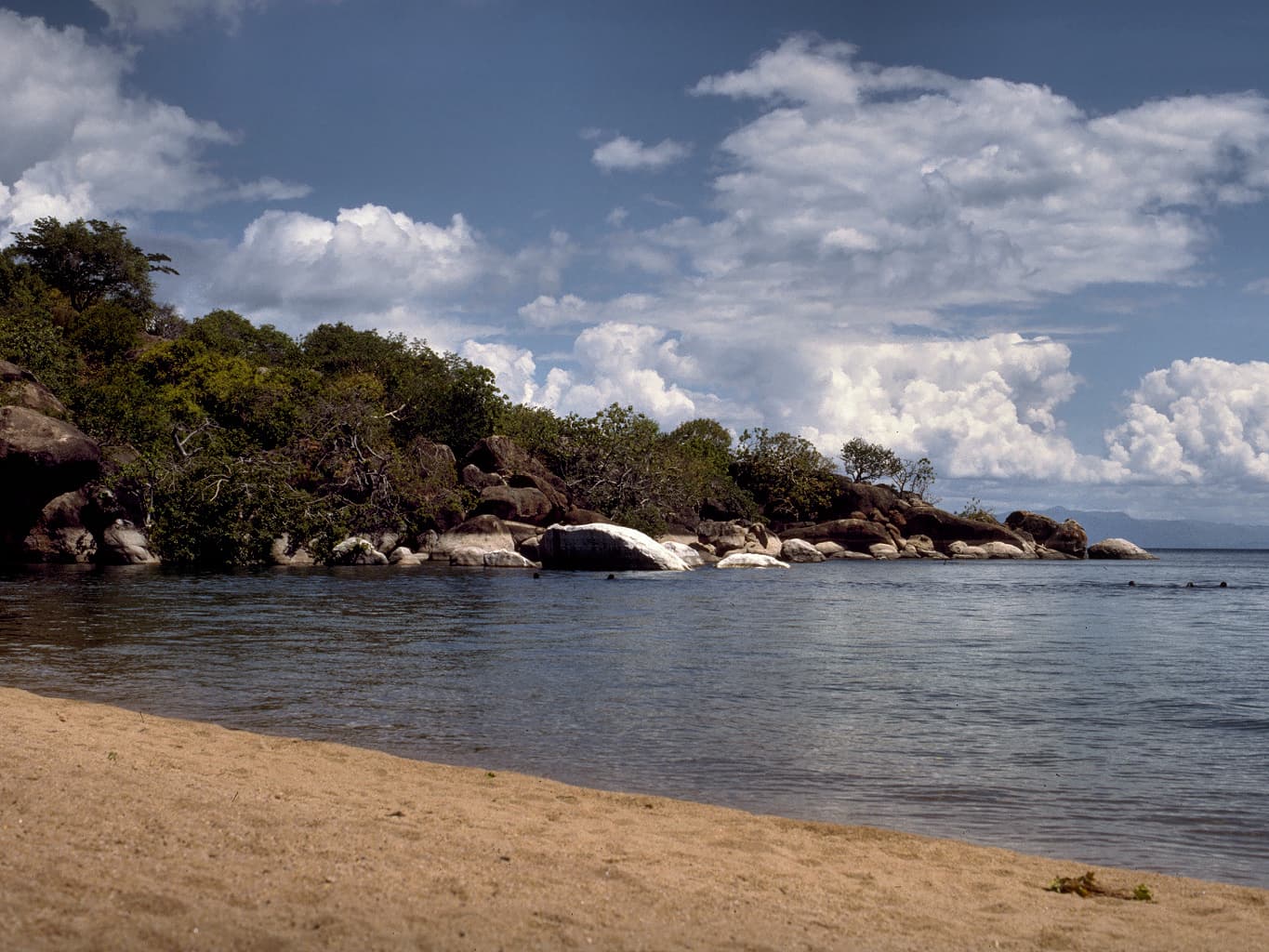
Malawi's nickname, the warm heart of Africa, is about the people rather than the climate, and it is the thing visitors mention first. Lake Malawi dominates the country: 580 km long, taking up a fifth of the national territory, a UNESCO World Heritage Site and home to more fish species than any other lake on earth. The cichlids are endemic, brilliantly coloured and visible from the shore, which makes this some of the best freshwater… snorkelling and diving anywhere. Cape Maclear, Nkhata Bay and Likoma Island are the main bases. The wildlife story has changed sharply. African Parks' restocking of Majete, Liwonde and Nkhotakota, including one of the largest elephant translocations ever attempted, has restored Big Five viewing to a country that had effectively lost it. Liwonde on the Shire River is now a genuinely good park. Add the Nyika Plateau's highland grasslands and Mount Mulanje's granite massif and Malawi supports a varied ten-day trip in a country you can drive across.
May to October: the dry season, with September and October best for wildlife. The dry season runs roughly May to October and is the most reliable window. Early in it, from May to July, the landscape is still green from the rains and the temperatures are mild. By September and October the bush has thinned right out and game concentrates on the Shire River in Liwonde and the waterholes in Majete, this is peak wildlife viewing, and also the hottest period, well into the thirties in the low-lying south. The lake is good year-round, but visibility for diving and snorkelling is at its clearest from around August to December. November to April is the wet season. The country is at its most beautiful, green and dramatic, and rates fall, but dirt roads deteriorate, some tracks in the parks become impassable and the Mulanje and Nyika hiking is harder going. Rains are typically heavy afternoon downpours rather than all-day drizzle. For trekking on Mulanje or Nyika, the cool dry months from May to August are best.
Malawi overhauled its visa system in November 2025 and moved to a reciprocity-based model, which means the previous position is no longer a reliable guide. A number of nationalities that had been visa-free, the arrangement introduced in 2024 covering some 79 countries, now require a visa again. Apply through the official portal at evisa.gov.mw. E-visas are normally processed within about three working days and must be printed and carried; the printed approval is checked at the border. Visa on arrival remains available at Kamuzu International Airport and some land borders for certain nationalities, but should not be assumed. Fees range widely by category and duration. A passport valid at least six months beyond arrival with blank pages is required, along with proof of accommodation and a return ticket. Because the policy changed recently and is nationality-specific, do not rely on older guidance or on a friend's recent experience. Check evisa.gov.mw for your own passport before you book flights.
Yellow fever: a certificate is required only if you are arriving from, or have transited through, a country with risk of yellow fever transmission. Not required for travellers arriving directly from Europe or North America. Malaria: risk is year-round throughout the country, including the lakeshore, Liwonde, Majete, Lilongwe and Blantyre. Prophylaxis is strongly recommended for all visitors. Risk is highest in the wet season and in the low-lying Shire Valley. Commonly recommended: hepatitis A and B, typhoid, tetanus-diphtheria-polio, and rabies for extended rural stays. Bilharzia deserves specific attention here, because it is the one risk visitors routinely dismiss. Schistosomiasis is present throughout Lake Malawi, including at popular swimming and snorkelling spots, and the reassurance that a particular beach is clear is not dependable. The practical approach used by most long-term residents is to swim anyway and take a single dose of praziquantel six to eight weeks afterwards, which clears the infection. Discuss this with a travel clinic before you go rather than after. Drink bottled or treated water. Medical facilities are limited outside Lilongwe and Blantyre; carry evacuation cover. See a travel clinic four to six weeks ahead.
Malawi on the map
Hand-picked safaris, beach escapes, and cultural journeys across Malawi.