Madagascar split from Africa around 160 million years ago and evolved in isolation, with the result that roughly 90% of its wildlife exists nowhere else on earth. It is less a safari destination than a natural history expedition.
Read more about Madagascar →Capital: Antananarivo
Currency: MGA
Best time: April to November: the dry season, with September to November the pick for wildlife.
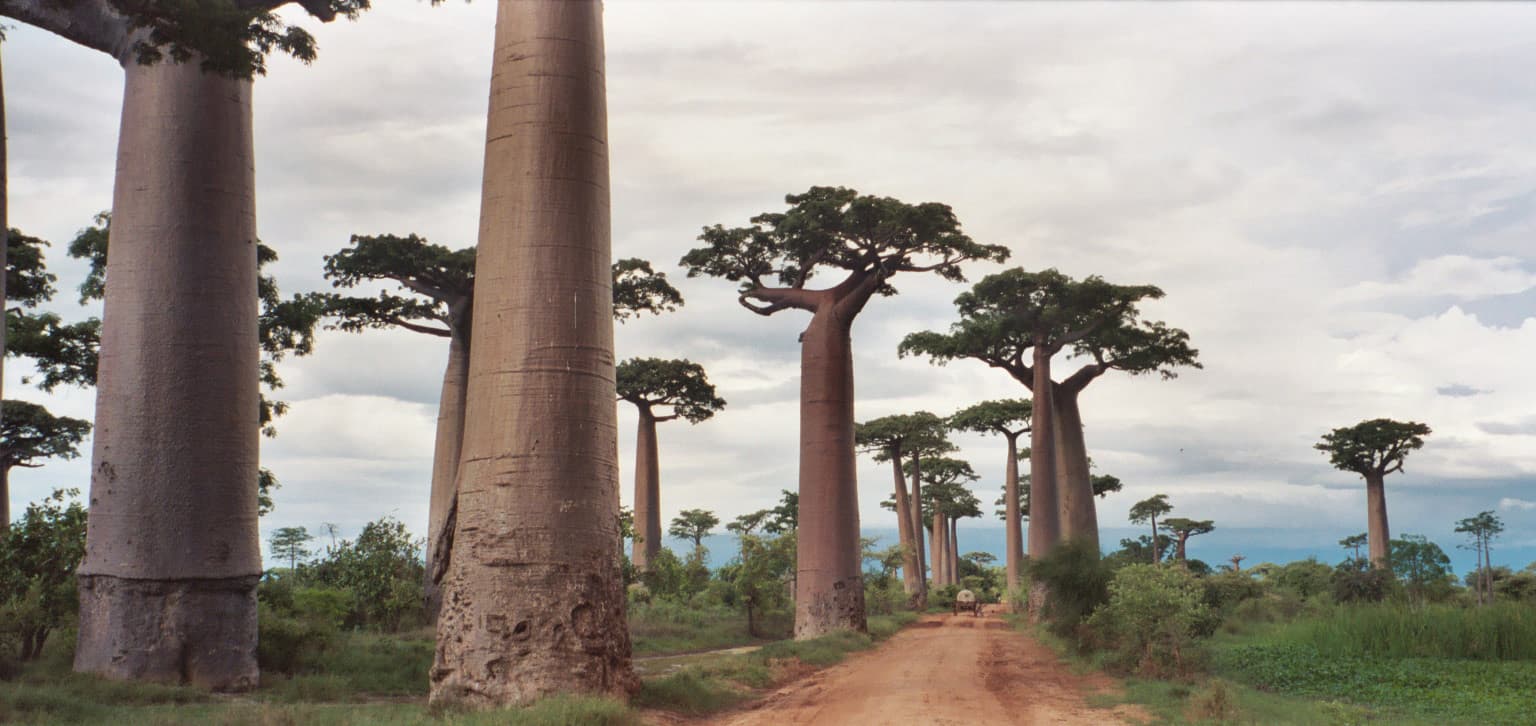
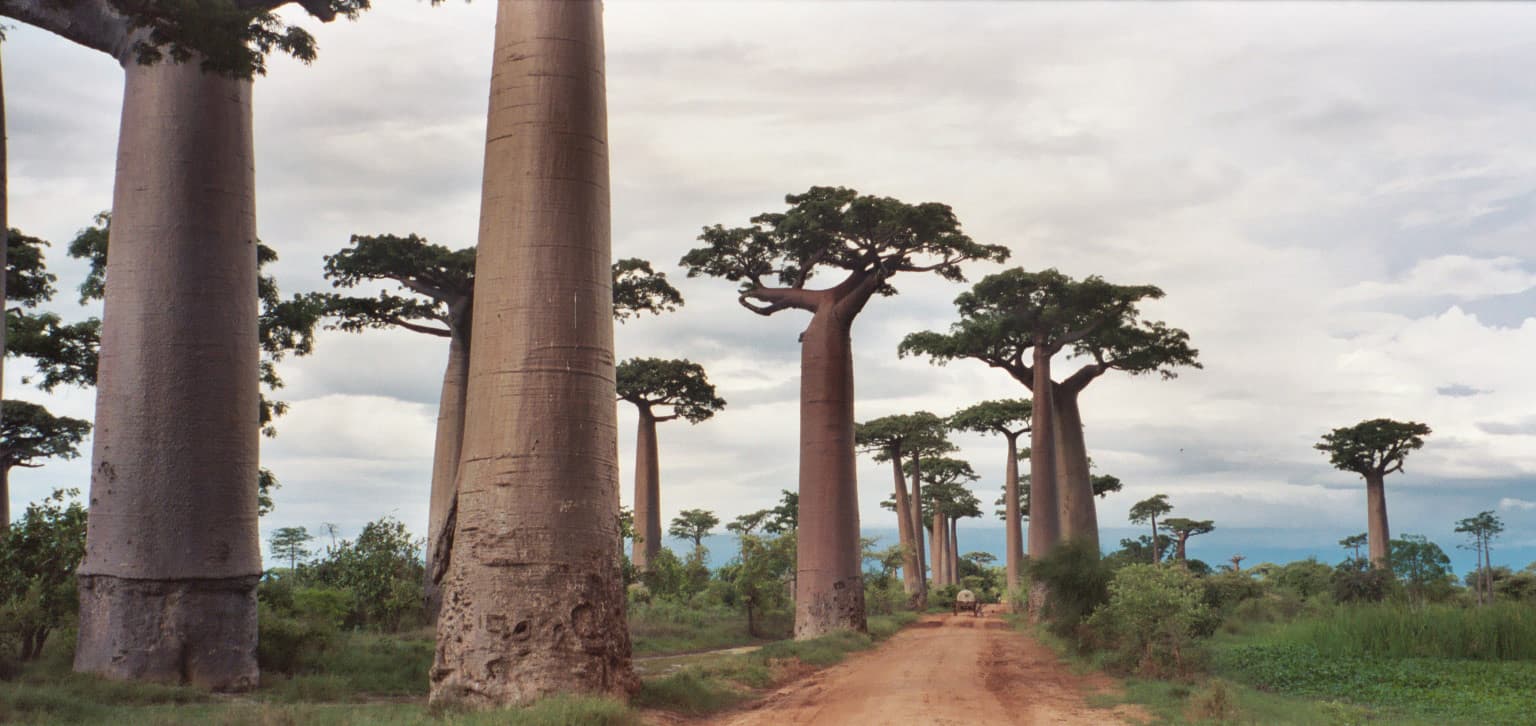
See more →Madagascar split from Africa around 160 million years ago and evolved in isolation, with the result that roughly 90% of its wildlife exists nowhere else on earth. It is less a safari destination than a natural history expedition. Lemurs are the headline: more than 100 species, from the mouse lemur that fits in a palm to the indri, whose call carries for kilometres through the Andasibe rainforest. Andasibe-Mantadia, three hours from Antananarivo, is the accessible… introduction; Ranomafana in the southeast is a UNESCO site with a dozen lemur species; Berenty in the arid south is where the ring-tailed lemur documentary footage is generally shot. The landscapes are equally singular. The Avenue of the Baobabs near Morondava is a 260 m dirt road lined with 20-odd Grandidier's baobabs, some 800 years old. Tsingy de Bemaraha is a forest of limestone blades sharp enough to cut through boots, crossed on via ferrata. Nosy Be and Île Sainte-Marie offer diving and, from July to September, humpback whales. Distances are long and roads are poor; internal flights matter here.
April to November: the dry season, with September to November the pick for wildlife. The dry season runs roughly April to November and is when Madagascar works. Roads to Tsingy and the west are open, rainforest trails are passable and the wildlife viewing is reliable. September to November is the strongest window overall. Lemurs are active and easier to see, many species are carrying young, chameleons and reptiles are out, orchids are flowering and the weather is warming without yet being wet. October is often singled out as the best single month. July and August are the coolest, genuinely cold at night on the highlands and in the south, and are humpback whale season off Île Sainte-Marie. April to June is green after the rains, quiet and good value. The wet season, December to March, is the one to avoid. Cyclones strike the east coast, many roads become impassable, several parks including Tsingy close entirely, and lodges shut. The compensation is that it is the peak for reptile and amphibian activity, which brings a specialist herpetology crowd regardless.
Every visitor needs a visa, and for most people the easiest route is on arrival. Visas are issued at Ivato International Airport in Antananarivo and other international entry points for stays of up to 90 days, in three tiers, up to 15 days, 16 to 30 days and 31 to 60 days, with fees rising accordingly. The shortest tier has at times been free of charge. Bring the fee in cash euros or US dollars: cards are frequently not accepted at the visa desk, and this is the single most common problem travellers hit on arrival. Also carry a printed copy of your return ticket and proof of accommodation. An eVisa system operates through the official portal and lets you complete the application in advance, which shortens the queue at Ivato considerably. Apply through the government site rather than a commercial intermediary. Your passport must be valid for at least six months beyond your intended departure with blank pages. Madagascar has had periods of political unrest affecting Antananarivo. Check your government's current travel advice alongside the visa position before booking.
Yellow fever: a certificate is required for all travellers aged nine months and over arriving from, or transiting through, a country with risk of yellow fever transmission. Not required for direct arrivals from Europe. Malaria: risk is present throughout the country and is year-round, highest in the coastal lowlands and during the wet season. Prophylaxis is recommended for all visitors. Antananarivo and the central highlands above 1,500 m are lower-risk, but almost every itinerary drops to the coast or the rainforest. Commonly recommended: hepatitis A and B, typhoid, tetanus-diphtheria-polio, and rabies, the last is worth taking seriously here, as post-exposure treatment can be hard to obtain outside the capital. Madagascar has endemic plague, which surprises people. It occurs seasonally, mostly bubonic and mostly in the central highlands between roughly August and April, and it is treatable with antibiotics if caught early. Risk to travellers on normal itineraries is very low, but avoid rodents and dead animals and seek treatment promptly for sudden fever with swollen glands. Drink bottled or treated water. Schistosomiasis is present in fresh water: avoid swimming in lakes and slow rivers. Medical facilities are limited outside Antananarivo and very poor in the parks. Insurance covering air evacuation is essential. See a travel clinic six to eight weeks ahead.
Places worth building a trip around in Madagascar, from our travel writing.
Madagascar on the map
Hand-picked safaris, beach escapes, and cultural journeys across Madagascar.