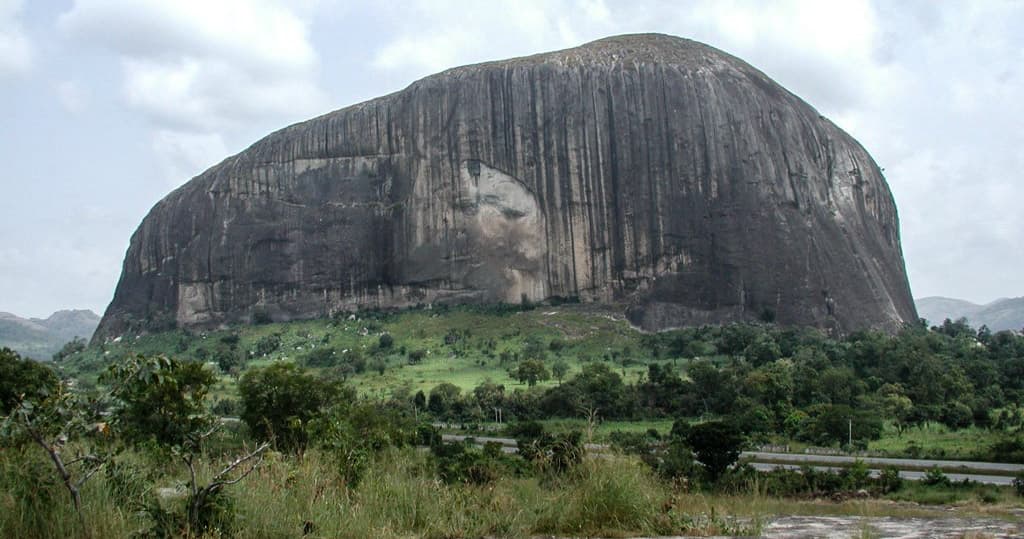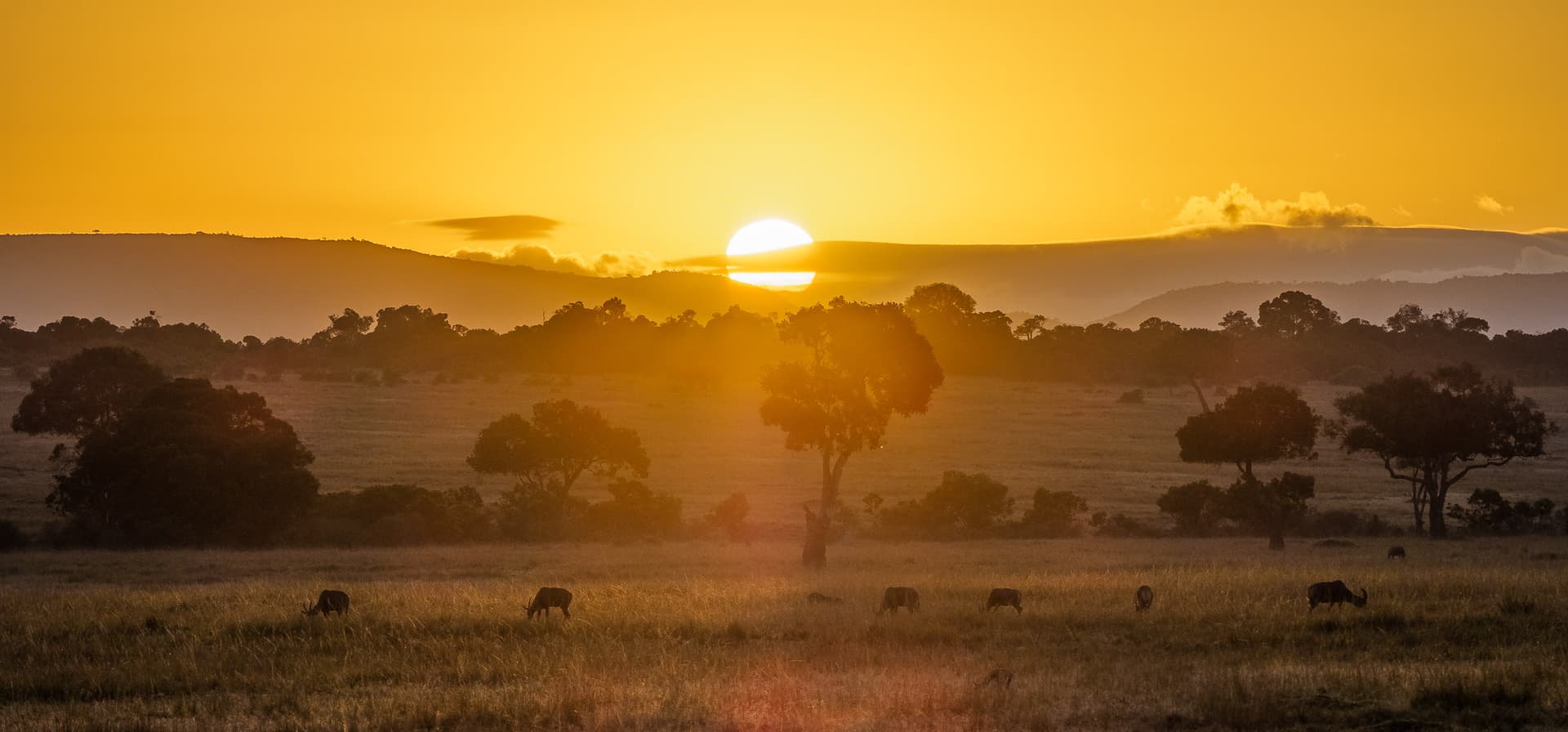
Guinea holds the sources of the Niger, the Senegal and the Gambia rivers, and gets more rain than almost anywhere else in West Africa, which is why it is so green and why moving around it is so hard.
Read more about Guinea →Capital: Conakry
Currency: GNF
Best time: November to February: the dry season, and the best window for trekking the Fouta Djallon.
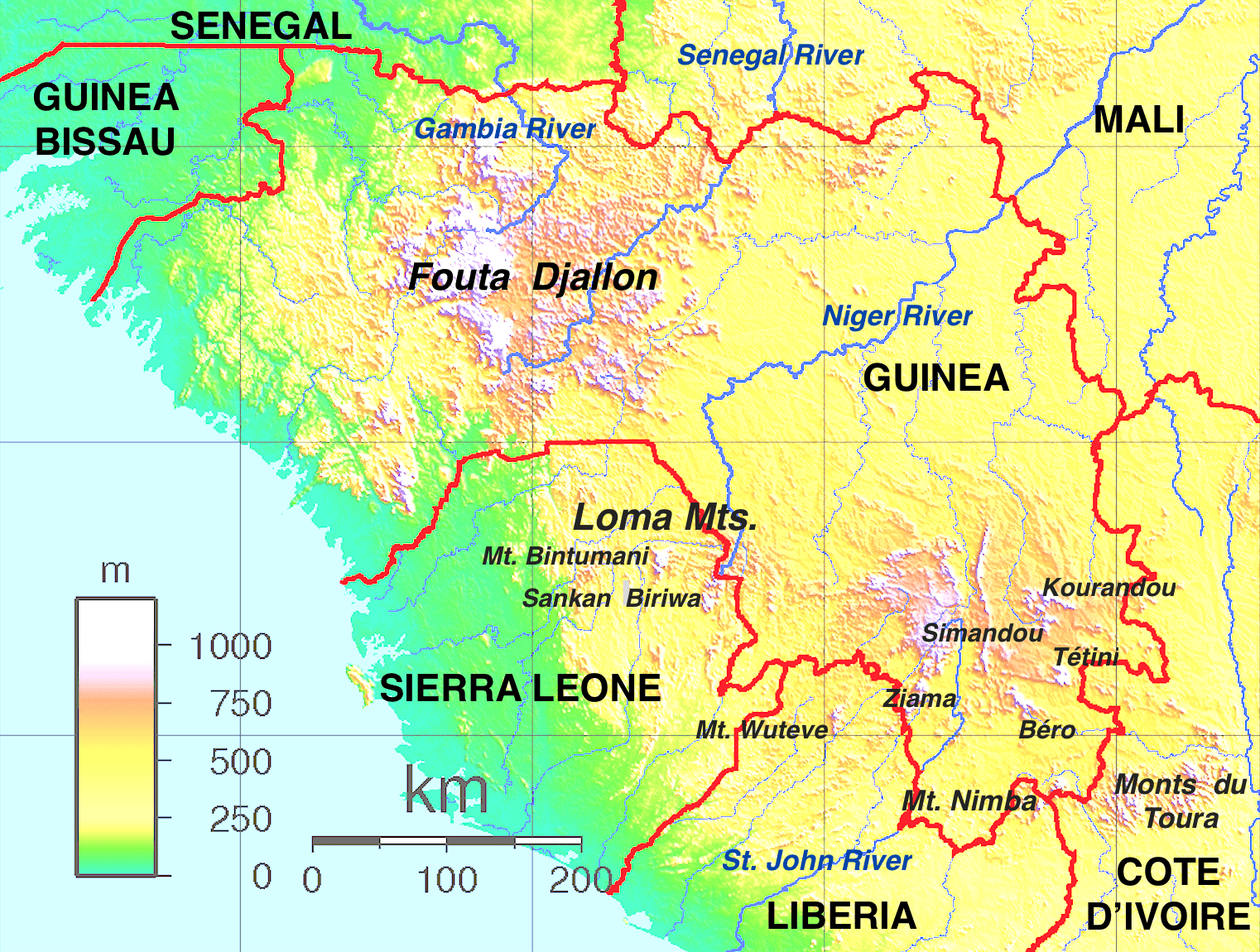
See more →Guinea holds the sources of the Niger, the Senegal and the Gambia rivers, and gets more rain than almost anywhere else in West Africa, which is why it is so green and why moving around it is so hard. The Fouta Djallon in the centre is the reason to come. It is a highland plateau of sandstone, deeply cut by rivers into gorges and waterfalls, cooler than the coast and criss-crossed by trails between Fula… villages. Trekking here, the Chutes de Ditinn, the Dame de Mali, the Kambadaga falls, is some of the best walking in West Africa and almost entirely unvisited. Mount Nimba in the far southeast, a UNESCO World Heritage Site straddling the Liberian and Ivorian borders, holds unusual montane grassland and endemic species including a viviparous toad. Conakry, on a narrow peninsula, is the chaotic entry point, and the Îles de Los offshore offer beaches within reach of the city. Guinea is also the home of djembe drumming and Les Ballets Africains. Infrastructure is poor and travel is slow.
November to February: the dry season, and the best window for trekking the Fouta Djallon. The dry season runs November to April, and November to February is the pick. The heat is moderate, the Fouta Djallon is still green from the rains but the trails have dried out, and the waterfalls are still running with reasonable volume. The harmattan brings cooler nights and hazy light in December and January. March and April stay dry but get very hot, and the falls drop considerably. Guinea receives some of the heaviest rainfall in West Africa, the coast around Conakry can take 4,000 mm a year, and the wet season from May to October, peaking July to September, makes travel genuinely difficult. Unsealed roads become impassable, landslides close mountain routes, and river crossings flood. The landscape is at its most spectacular and the waterfalls are enormous, but you may not be able to reach them. For trekking specifically, November to February is the practical answer; the shoulder months either side are workable but wetter.
Most nationalities outside ECOWAS require a visa, and Guinea operates an eVisa which is the standard route. Apply online through the official portal. Processing is normally within about 72 hours, after which you receive an email with the outcome. The standard tourist visa costs around USD 80. On arrival at Conakry's Ahmed Sékou Touré International Airport you go to the visa-on-arrival counter, where biometric data is captured and physical copies of your documents are submitted before the visa is issued, so the online step is an authorisation rather than the visa itself. Allow time for this. You will need a passport valid at least six months beyond arrival, a passport photo, proof of accommodation, a return ticket, and your yellow fever vaccination certificate, which is required and checked. ECOWAS nationals are visa-exempt. Guinea has experienced periods of political instability and demonstrations in Conakry. Check your government's current travel advice alongside the visa position, and confirm requirements before booking.
Yellow fever: a valid vaccination certificate is required from all travellers at entry, and it is checked. Get it at least ten days before travel. Malaria: risk is high and year-round throughout the country including Conakry. Prophylaxis is essential for every visitor. Commonly recommended: hepatitis A and B, typhoid, tetanus-diphtheria-polio, meningococcal, cholera, and rabies for rural and trekking travel. Speak to a travel doctor four to six weeks before departure at the latest. Guinea was where the 2014–16 Ebola epidemic began and has had subsequent smaller outbreaks. Screening at the airport and at some checkpoints is routine; cooperate with it. Lassa fever occurs in rural areas: avoid contact with rodents. Cholera outbreaks are frequent, particularly in Conakry during the rains. Drink only bottled or properly treated water and be rigorous about food hygiene. Schistosomiasis and onchocerciasis (river blindness) are present. Do not swim in or wade through fresh water, which is a real constraint on Fouta Djallon trekking near waterfalls. Medical facilities are very limited, including in Conakry. Bring a full supply of prescription medication and a comprehensive first-aid kit, and carry insurance including guaranteed air evacuation. See a travel clinic six to eight weeks ahead.
Guinea on the map
Hand-picked safaris, beach escapes, and cultural journeys across Guinea.