The Gambia is mainland Africa's smallest country: a 480 km ribbon of land either side of the River Gambia, nowhere more than 50 km wide, entirely surrounded by Senegal except for its Atlantic coast.
Read more about Gambia →Capital: Banjul
Currency: GMD
Best time: November to February: dry, cooler and the peak of the bird season.
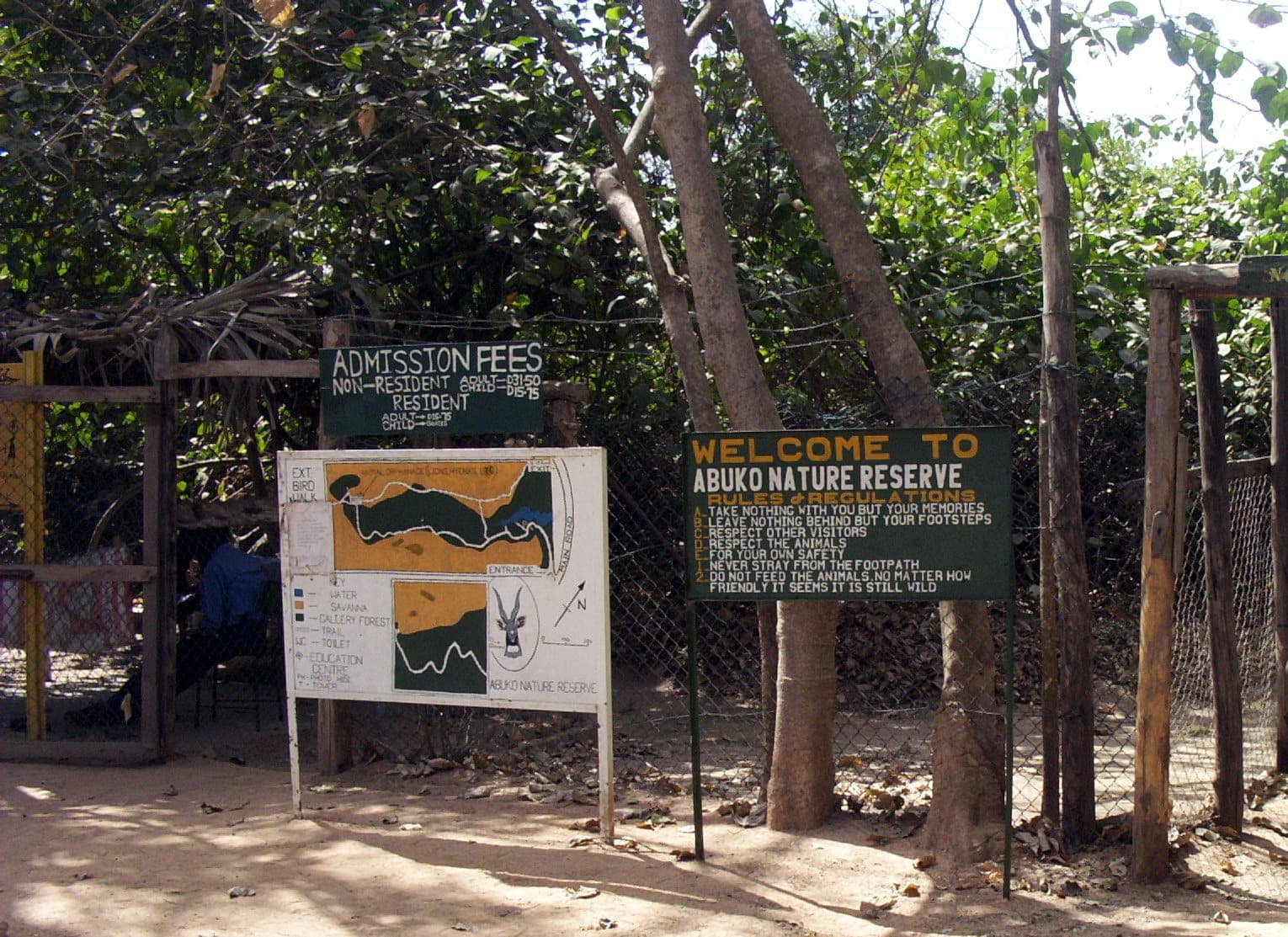
See more →The Gambia is mainland Africa's smallest country: a 480 km ribbon of land either side of the River Gambia, nowhere more than 50 km wide, entirely surrounded by Senegal except for its Atlantic coast. The nickname, the Smiling Coast, does the work in the tourism brochures and holds up reasonably. The resort strip at Kotu, Kololi and Cape Point has run winter-sun charter flights from northern Europe for decades, with wide beaches and short flight… times. Birdwatching is the real specialism. Over 600 species have been recorded in a country the size of Yorkshire, and the concentration along the river makes it some of the most accessible birding anywhere, the Abuko Nature Reserve, the Bao Bolong wetlands on the north bank and the Kiang West mangroves can all be worked by pirogue and on foot with a local guide. Egyptian plover, the classic target, is found upriver. Juffureh and Kunta Kinteh Island, a UNESCO World Heritage Site, are central to the diaspora heritage route. River trips upstream to Janjanbureh reach a very different, quieter country.
November to February: dry, cooler and the peak of the bird season. The dry season runs November to May and the first half of it is the pick. From November to February daytime temperatures sit in the high twenties or low thirties, humidity is low, and the harmattan keeps things comfortable. This is the height of the charter season on the coast, so book ahead. It is also the strongest birding window. European migrants are in residence alongside the resident West African species from roughly November to March, and the river is at a good level for pirogue trips. March to May stays dry but the heat builds significantly, particularly upriver where it becomes uncomfortable. The rains fall June to October, heaviest in August and September. Humidity is high, some upcountry roads become difficult, and many coastal hotels close for the season. The country is green and rates are low; birders sometimes prefer it for breeding plumage and resident species. The river is navigable year-round, but upstream trips are easier in the dry months.
The Gambia is straightforward for most visitors. Citizens of most Commonwealth countries, the EU and several others enter without a visa for stays of up to 90 days. A passport valid at least six months beyond your intended stay is required, along with a return ticket and proof of accommodation. Yellow fever vaccination proof is frequently requested at the border. Visa-free visitors can extend for a further 90 days by applying at the Immigration Department in Banjul with a passport, two photographs and a modest fee. Nationalities that do require a visa can apply at a Gambian mission or, for many, obtain one on arrival at Banjul International Airport, but confirm this in advance rather than assuming it. ECOWAS nationals enter freely. Most visitors arrive on charter flights from Europe as part of a package, in which case the tour operator handles the formalities. Independent travellers arriving overland from Senegal should expect straightforward but slow border formalities and should carry small denomination cash. Confirm current requirements before booking.
Yellow fever: a vaccination certificate is required and is frequently checked at the border, particularly for travellers arriving from or transiting other African countries. Travel with it regardless of routing. It must be at least ten days old. Malaria: risk is present year-round throughout the country, rising sharply during and after the rains from June to November. Prophylaxis is recommended for all visitors, including those staying only on the coastal resort strip. Commonly recommended: hepatitis A and B, typhoid, tetanus-diphtheria-polio, meningococcal, and rabies for upcountry travel. Drink bottled or sachet water. Traveller's diarrhoea is the most common complaint; be careful with salads and unpeeled fruit outside the hotels. Schistosomiasis is present in the River Gambia and its creeks. Do not swim in fresh water, however inviting the upriver stretches look. Atlantic currents on the coast are strong and there are few lifeguards outside the main hotel beaches. Medical facilities are limited. There are a few private clinics on the coastal strip adequate for minor problems; anything serious means evacuation to Dakar or Europe. Bring a full supply of prescription medication and carry insurance including air evacuation. See a travel clinic six weeks ahead.
Gambia on the map
Hand-picked safaris, beach escapes, and cultural journeys across Gambia.