Eswatini is small enough to cross in two hours and dense enough to fill four days, a landlocked kingdom between South Africa and Mozambique that most people encounter as a stop between Kruger and the KwaZulu-Natal coast, and then wish they had given longer.
Read more about Eswatini →Capital: Mbabane
Currency: SZL
Best time: May to September: the dry winter, best for wildlife and comfortable for walking.
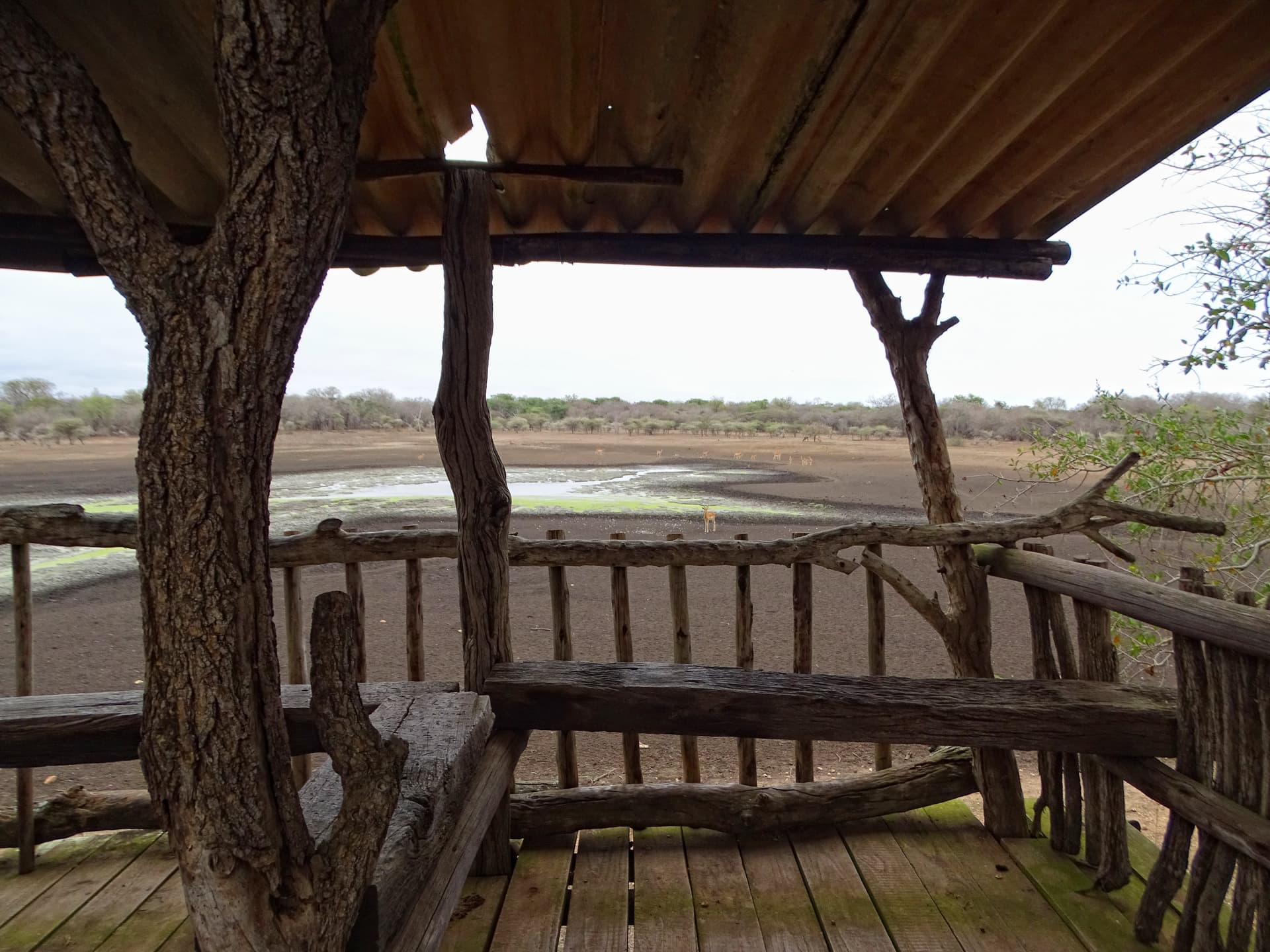
See more →Eswatini is small enough to cross in two hours and dense enough to fill four days, a landlocked kingdom between South Africa and Mozambique that most people encounter as a stop between Kruger and the KwaZulu-Natal coast, and then wish they had given longer. Hlane Royal National Park is the largest protected area, over 30,000 hectares, with white rhino at close quarters, elephant, lion in a separate enclosure and exceptional raptor and vulture populations. Mlilwane… Wildlife Sanctuary, the country's oldest reserve, has no large predators, which means you can walk, cycle and ride horses through it freely, unusual and genuinely enjoyable. Mkhaya Game Reserve is the place for black rhino tracking on foot. The cultural draw is real rather than staged: the Umhlanga reed dance in August or September and the Incwala kingship ceremony in December or January are living ceremonies with tens of thousands of participants. Ezulwini and Malkerns hold the craft and handweaving workshops.
May to September: the dry winter, best for wildlife and comfortable for walking. The dry season runs from about mid-April to mid-October, with average daytime temperatures around 20–25°C and cold nights in the highveld. Vegetation thins, game concentrates at water in Hlane and Mkhaya, and the walking, cycling and riding at Mlilwane are at their most pleasant. Malaria risk in the eastern lowveld is at its lowest. The wet season, November to March, is hot and humid in the lowveld with heavy afternoon thunderstorms. The highlands are spectacularly green and the waterfalls run hard, and this is when the country looks its best, but game viewing is harder and the lowveld is uncomfortable. Time a visit to a ceremony if you can. Umhlanga falls in late August or early September and Incwala in late December or January, with dates set by the lunar calendar and announced only a few weeks ahead. Check before committing.
Eswatini is straightforward. Citizens of most Commonwealth countries, the United States, Canada, Japan and most EU member states do not require a visa for tourist visits, and are normally granted 30 days on arrival. A passport valid at least three months beyond your intended departure with a blank page for the stamp is required, a shorter validity requirement than most of the region, but confirm it against your own airline's rules. You may be asked for a return ticket and proof of accommodation. Nationalities that do require a visa apply to an Eswatini diplomatic mission, or through South Africa where there is no local representation. An online application system operates through the Ministry of Home Affairs. Most visitors arrive overland from South Africa or Mozambique. Border posts are generally quick, but the smaller ones keep short hours, Bulembu and Sandlane close in the early evening, and Lavumisa and Ngwenya are the reliable all-hours options. If you are driving a rental car, carry the cross-border authorisation letter from the hire company. Confirm current requirements before travelling.
Yellow fever: a certificate is required only if you are arriving from, or have transited through, a country with risk of yellow fever transmission. Not required for direct arrivals from Europe, North America or South Africa. Malaria: risk is confined to the eastern lowveld, the Lubombo region, Big Bend, Simunye and the reserves of the Lubombo Conservancy including Hlane and Mkhaya, and is seasonal, running roughly November to May. The highveld, including Mbabane, Ezulwini and Mlilwane, is malaria-free. Prophylaxis is recommended for lowveld travel in the wet season; a dry-season visit is generally considered low-risk. Take advice on your route and dates. Commonly recommended: hepatitis A and B, typhoid, tetanus-diphtheria-polio, and rabies for extended rural stays. Practical notes: tap water in Mbabane and Manzini is generally safe; use bottled water in rural areas. Bilharzia is present in slow-moving rivers and dams: avoid swimming in still fresh water. Eswatini has one of the highest HIV prevalence rates in the world; take the obvious precautions. Medical facilities are basic, and serious cases are referred to South Africa, so insurance covering cross-border evacuation is worth having. See a travel clinic four weeks ahead.
Eswatini on the map
Hand-picked safaris, beach escapes, and cultural journeys across Eswatini.