Equatorial Guinea is the only Spanish-speaking country in Africa and one of the least visited on the continent, an oil state split between a volcanic island and a slice of mainland rainforest.
Read more about Equatorial Guinea →Capital: Malabo
Currency: XAF
Best time: October to February: the driest and most comfortable months on both island and mainland.
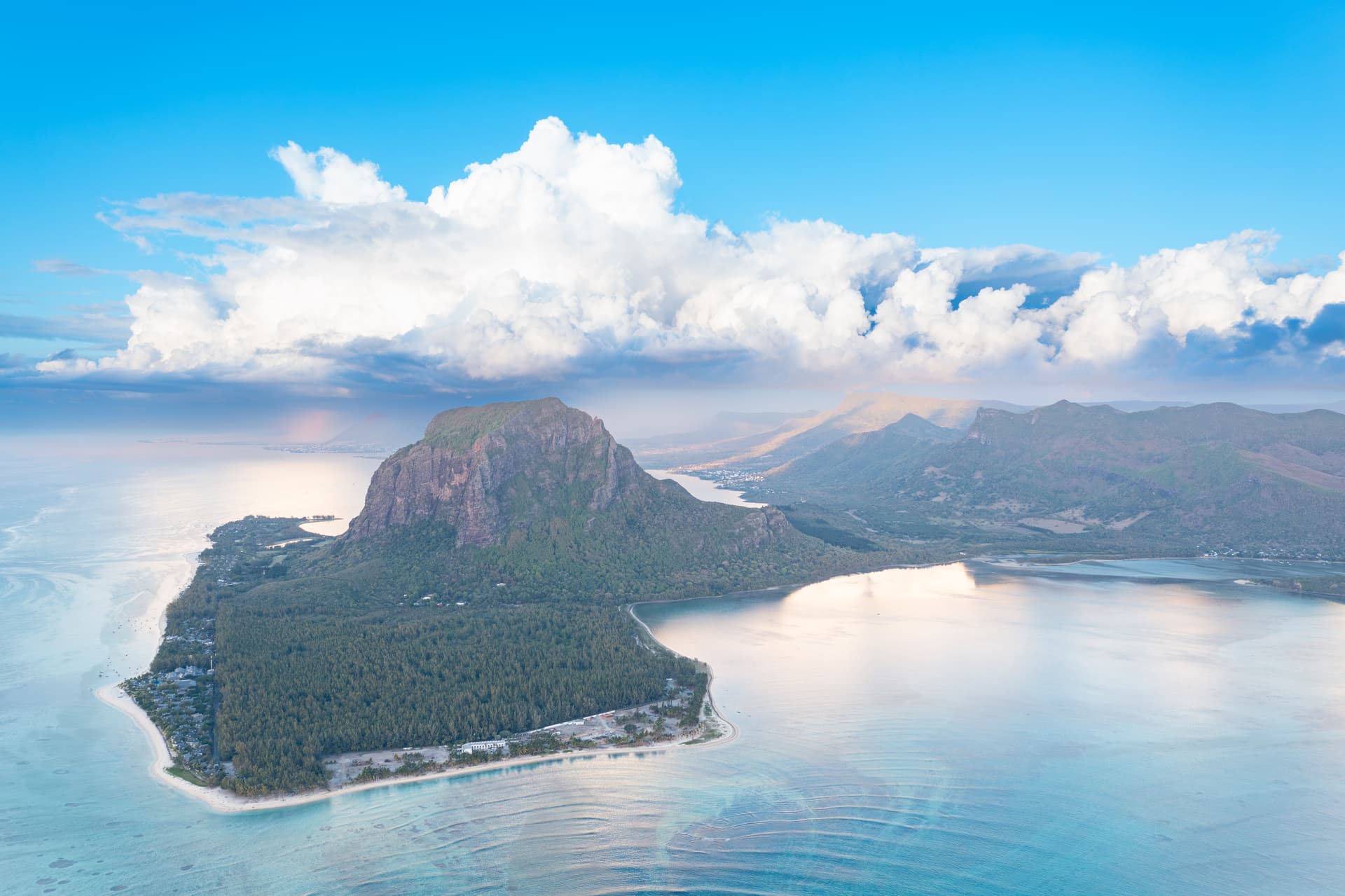
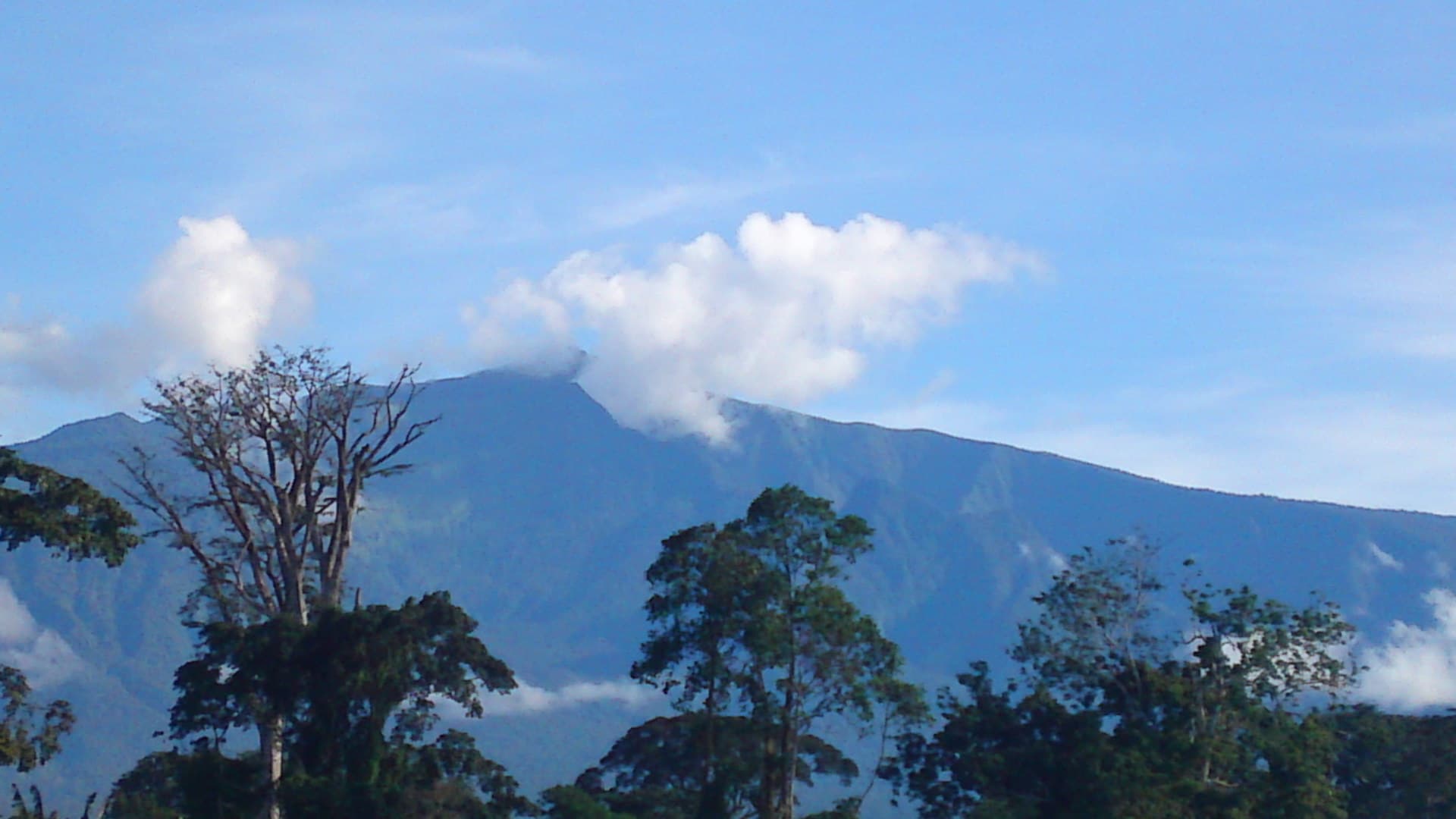
See more →Equatorial Guinea is the only Spanish-speaking country in Africa and one of the least visited on the continent, an oil state split between a volcanic island and a slice of mainland rainforest. Bioko Island holds the capital, Malabo, with its Spanish colonial architecture and cathedral, and rises to the 3,011 m Pico Basilé. The island's southern beaches are among the most important sea turtle nesting sites in the region, with four species including leatherbacks coming… ashore between October and February, and the Gran Caldera de Luba is a vast crater holding some of the highest primate densities in Africa, seven species, several endemic subspecies. The mainland, Río Muni, holds Monte Alén National Park, a rainforest reserve with forest elephant, gorillas and chimpanzees, though tourism infrastructure is minimal. Bata is the largest mainland city. Oyala, now Ciudad de la Paz, is a purpose-built capital carved out of the jungle. Tourism here is embryonic, permits are restrictive and independent travel is difficult; almost everyone comes on business or with a fixer.
October to February: the driest and most comfortable months on both island and mainland. Equatorial Guinea is equatorial in the literal sense: hot, humid and wet for most of the year, with the seasons defined by how much it rains rather than how warm it is. The most comfortable window is roughly October to February, which is also when turtle nesting on Bioko's southern beaches is at its peak, the single best reason to time a trip. December to February is the driest stretch on Bioko. The mainland and the island run slightly different patterns, with the heaviest rains generally from March to May and again around September to November on Bioko, while Río Muni's driest months are December to February and June to August. Bioko is one of the wetter places in Africa regardless of season, the south of the island receives extraordinary rainfall, so waterproofs are not optional in any month. Access to the Gran Caldera and Monte Alén requires dry conditions and a guide; roads deteriorate quickly in the rains.
Equatorial Guinea is among the harder countries in Africa to enter, and this is by design rather than disorganisation. Almost all nationalities require a visa obtained in advance; the notable exception has been United States citizens, who have at times been able to enter visa-free, though this should be verified rather than assumed. An eVisa system became operational in late 2025, with processing averaging around five working days. Otherwise, apply at an embassy with a passport valid at least six months, passport photos, a letter of invitation from a host or company in Equatorial Guinea, confirmed accommodation, a return ticket, proof of funds and a yellow fever certificate. A police certificate is sometimes required. Approval is discretionary and refusals are common without a clear reason for the visit. Once inside, movement is monitored. Police and military checkpoints are frequent, permits may be required for travel outside Malabo and Bata, and photography is heavily restricted, photographing government buildings, the presidential palace, airports, ports, bridges or anyone in uniform will get your camera confiscated and can lead to detention. Travel with a local contact or operator. Check current requirements and your government's advice before booking.
Yellow fever: a vaccination certificate is required for entry and must be at least ten days old. It is checked on arrival and at the visa stage. Malaria: risk is high and year-round on both Bioko and the mainland. Prophylaxis is essential for every visitor. Commonly recommended: hepatitis A and B, typhoid, tetanus-diphtheria-polio, meningococcal, and rabies for rural or forest travel. Drink bottled or properly treated water: tap water is not potable anywhere in the country, including Malabo, and a filter or purification tablets are worth carrying. Be careful with uncooked food. Schistosomiasis is present in fresh water; do not swim in rivers or lakes. Dengue and other mosquito-borne illnesses circulate. The Gran Caldera trek and the Pico Basilé ascent are demanding, wet and remote; go with a guide and expect no infrastructure. Medical facilities are poor relative to the country's wealth. Malabo has a small number of clinics used by the oil sector that are adequate for basic care; anything serious means evacuation, typically to Europe or South Africa. Bring a complete supply of prescription medication and a good first-aid kit, and carry insurance that explicitly includes air evacuation. See a travel clinic six to eight weeks ahead.
Equatorial Guinea on the map
Hand-picked safaris, beach escapes, and cultural journeys across Equatorial Guinea.