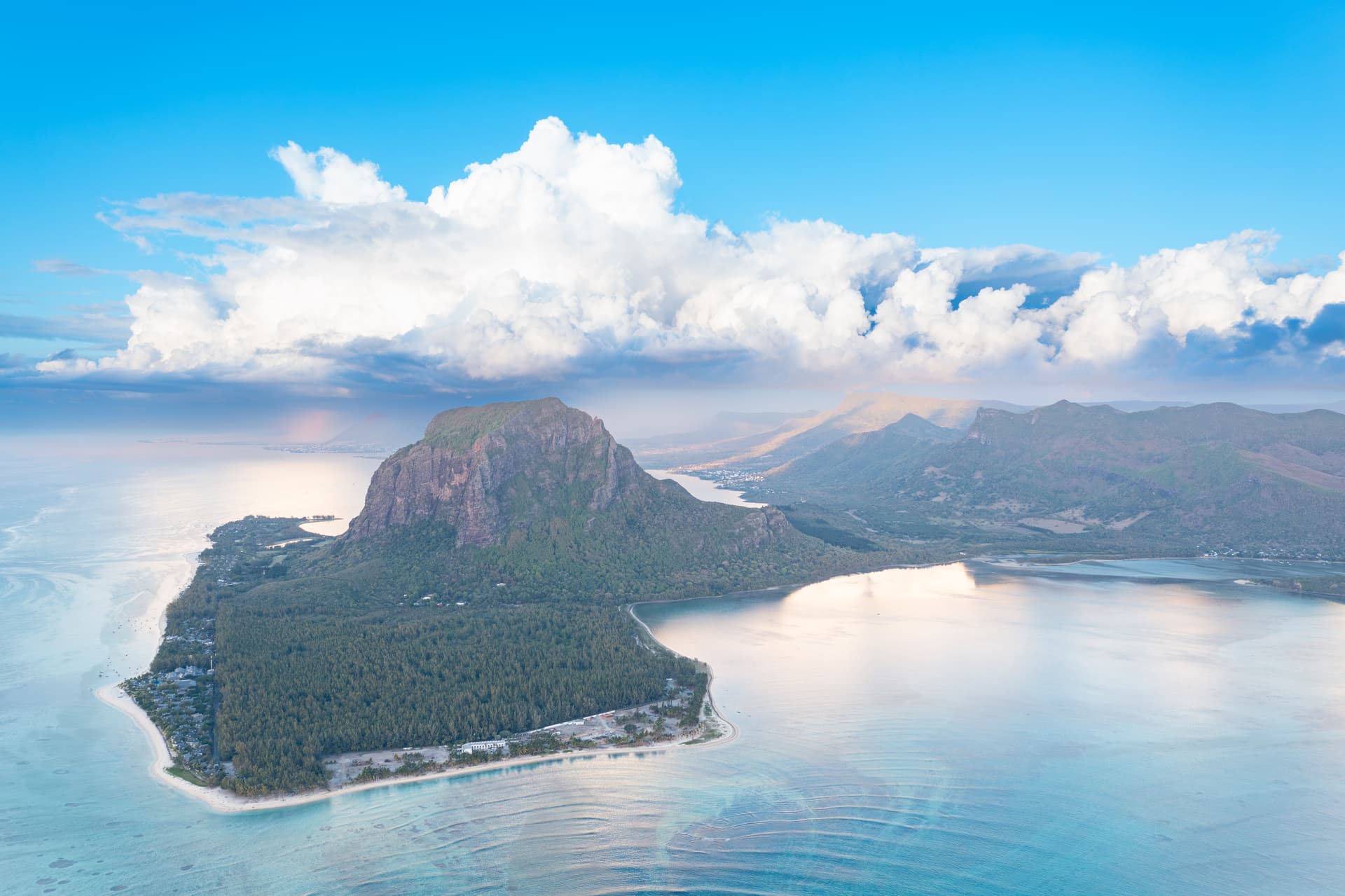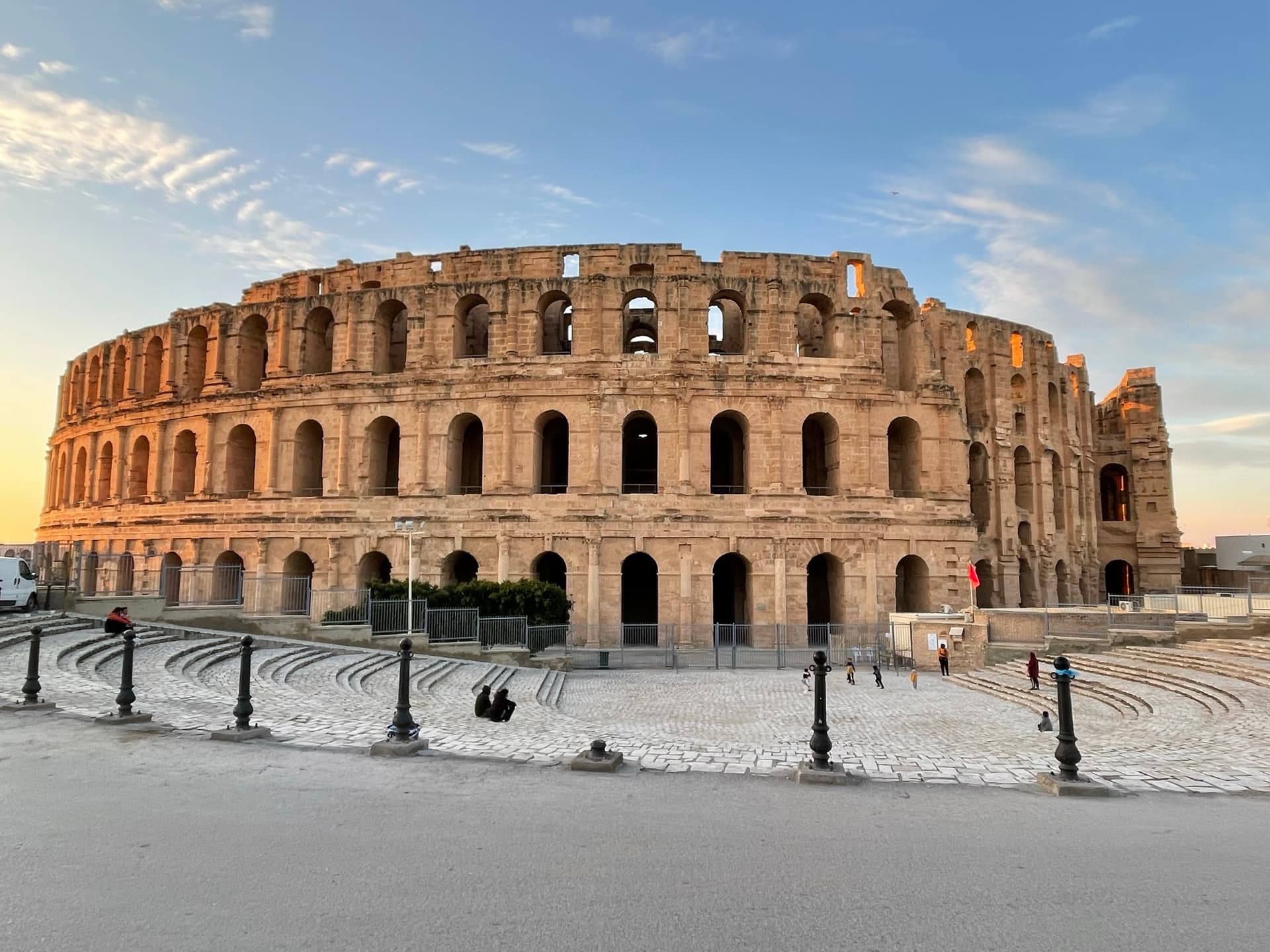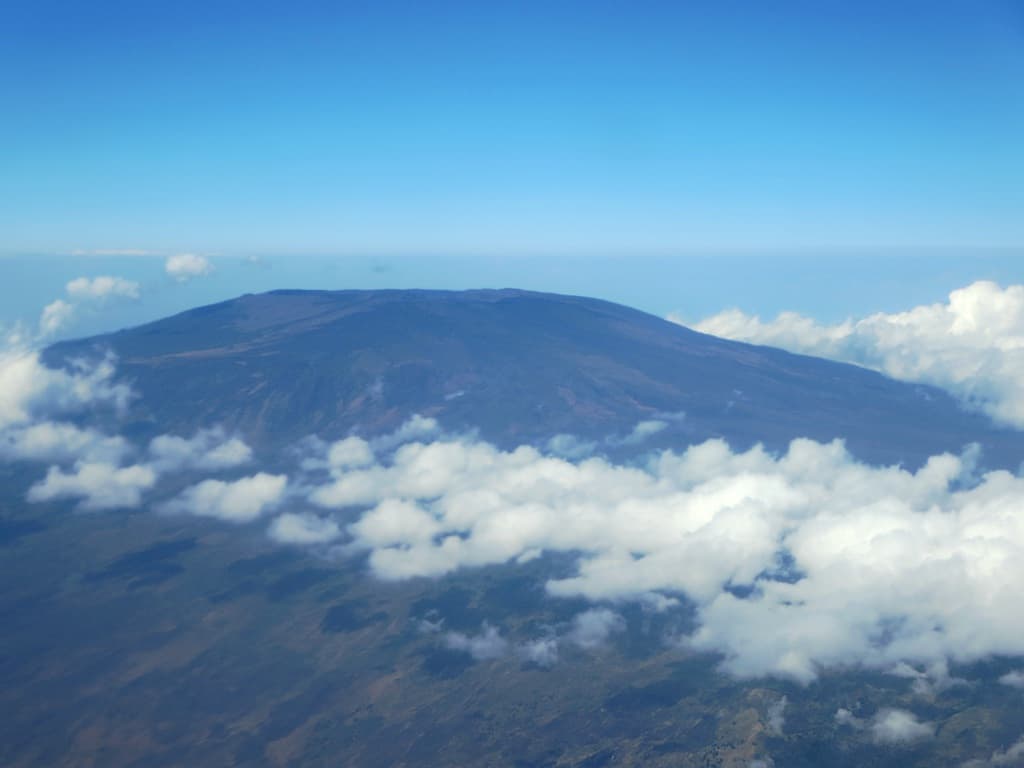
The Comoros are three volcanic islands between Mozambique and Madagascar, and among the least-visited places in the Indian Ocean, which is exactly the point for travellers who find Zanzibar or Mauritius too developed.
Read more about Comoros →Capital: Moroni
Currency: KMF
Best time: May to November: the cool dry season, and the safest window outside the cyclone months.
See more →The Comoros are three volcanic islands between Mozambique and Madagascar, and among the least-visited places in the Indian Ocean, which is exactly the point for travellers who find Zanzibar or Mauritius too developed. Grande Comore, the largest, is dominated by Mount Karthala, one of the world's most active volcanoes, with a summit caldera more than three kilometres across that can be trekked in a long two-day round trip. Moroni's old medina and Friday mosque are… compact and atmospheric, and the coastline mixes black volcanic rock with white sand. Mohéli is the wild one and the reason many travellers come. Mohéli Marine Park protects nesting green turtles, you can watch them come ashore most nights of the year, along with dugong and a resident humpback whale population between July and October. Anjouan is the greenest, terraced with ylang-ylang and clove plantations; the Comoros supplies much of the world's ylang-ylang for the perfume industry. Infrastructure is basic, inter-island flights are unreliable, and patience is part of the trip.
May to November: the cool dry season, and the safest window outside the cyclone months. The dry season runs roughly May to November and is the sensible time to go. Humidity drops, the seas are calmer for inter-island crossings and diving, and the Karthala trek is far more achievable on dry ground. July to October adds humpback whales, which migrate through the channel and are regularly seen off Mohéli. Turtle nesting on Mohéli happens year-round with a peak around the middle of the year, so it is rarely a reason to time a trip. The wet season, December to April, is hot, humid and brings the cyclone risk shared with Madagascar and Mozambique. Rain is heavy, unsealed roads deteriorate, boat crossings between the islands are frequently cancelled, and the Karthala ascent becomes miserable and sometimes dangerous. Build slack into any itinerary. Inter-island flights and ferries are cancelled often enough that a tight connection to an international departure is a genuine risk.
The Comoros issue a visa on arrival to essentially all nationalities, which makes entry simple even though almost nothing else about travelling here is. The tourist visa is issued at Prince Said Ibrahim International Airport on Grande Comore and at the seaports. Pay in cash euros or US dollars: cards are not accepted. Quoted fees vary considerably depending on the length of stay and, in practice, on the officer, so bring more cash than the headline figure and expect some variability. You will be asked to show an onward or return ticket. A passport valid at least six months beyond arrival with blank pages is required, along with proof of accommodation. Note that the island of Mayotte, geographically part of the archipelago, is a French overseas department and operates entirely separately. It requires a French visa and there is no straightforward crossing from the Comoros. ATMs are scarce and often out of service, and card acceptance outside a couple of Moroni hotels is minimal. Bring enough euros in cash for the whole trip. Confirm current requirements through a Comorian mission before travelling.
Yellow fever: a certificate is required for travellers arriving from, or having transited within the previous six days through, a country with risk of yellow fever transmission. Not required for direct arrivals from Europe, but relevant for routings through East Africa. Malaria: risk is present year-round on all three islands and prophylaxis is recommended for every visitor. Transmission rises in the wet season. Commonly recommended: hepatitis A and B, typhoid, tetanus-diphtheria-polio, meningococcal, and rabies for extended stays. Ensure routine immunisations including measles and polio are current. Dengue and chikungunya circulate, sometimes in significant outbreaks, and cholera has occurred. Use repellent, drink bottled or properly treated water and be careful with food outside established places. The Karthala trek carries real risk: it is a long ascent on volcanic scree with no infrastructure, weather that changes fast, and volcanic gas in the caldera. Go with a guide, and check the volcano's current status: it has erupted several times this century. Medical facilities are very limited on Grande Comore and minimal on Mohéli and Anjouan. Serious cases require evacuation to Réunion or Nairobi. Carry a full supply of prescription medication, a good first-aid kit and insurance that explicitly covers air evacuation. See a travel clinic six weeks ahead.
Comoros on the map
Hand-picked safaris, beach escapes, and cultural journeys across Comoros.