Chad is the improbable one: a landlocked Sahelian country whose northern desert holds some of the most spectacular and least-seen landscapes on the planet.
Read more about Chad →Capital: N'Djamena
Currency: XAF
Best time: November to March: the cool dry season, and the only viable window for the desert.
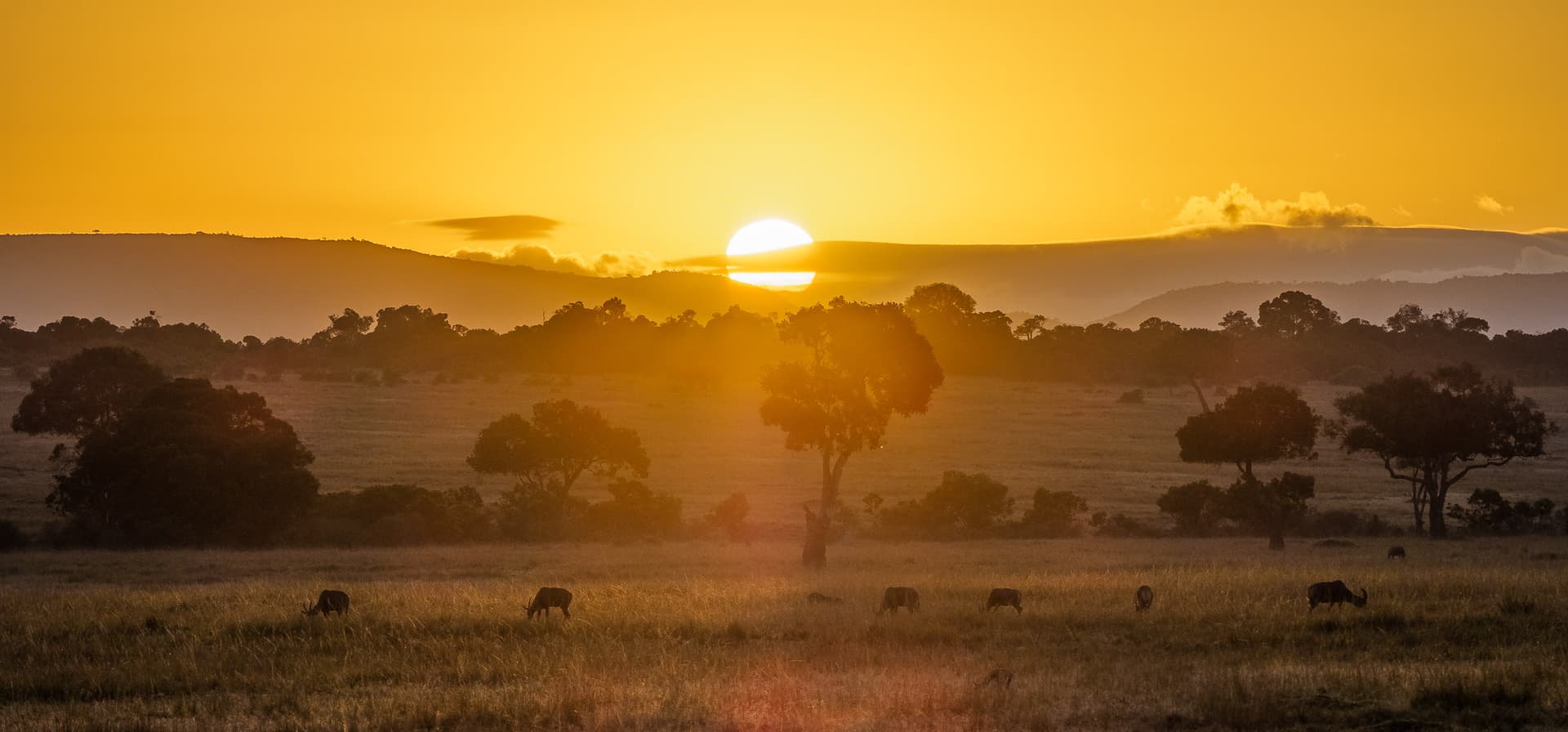
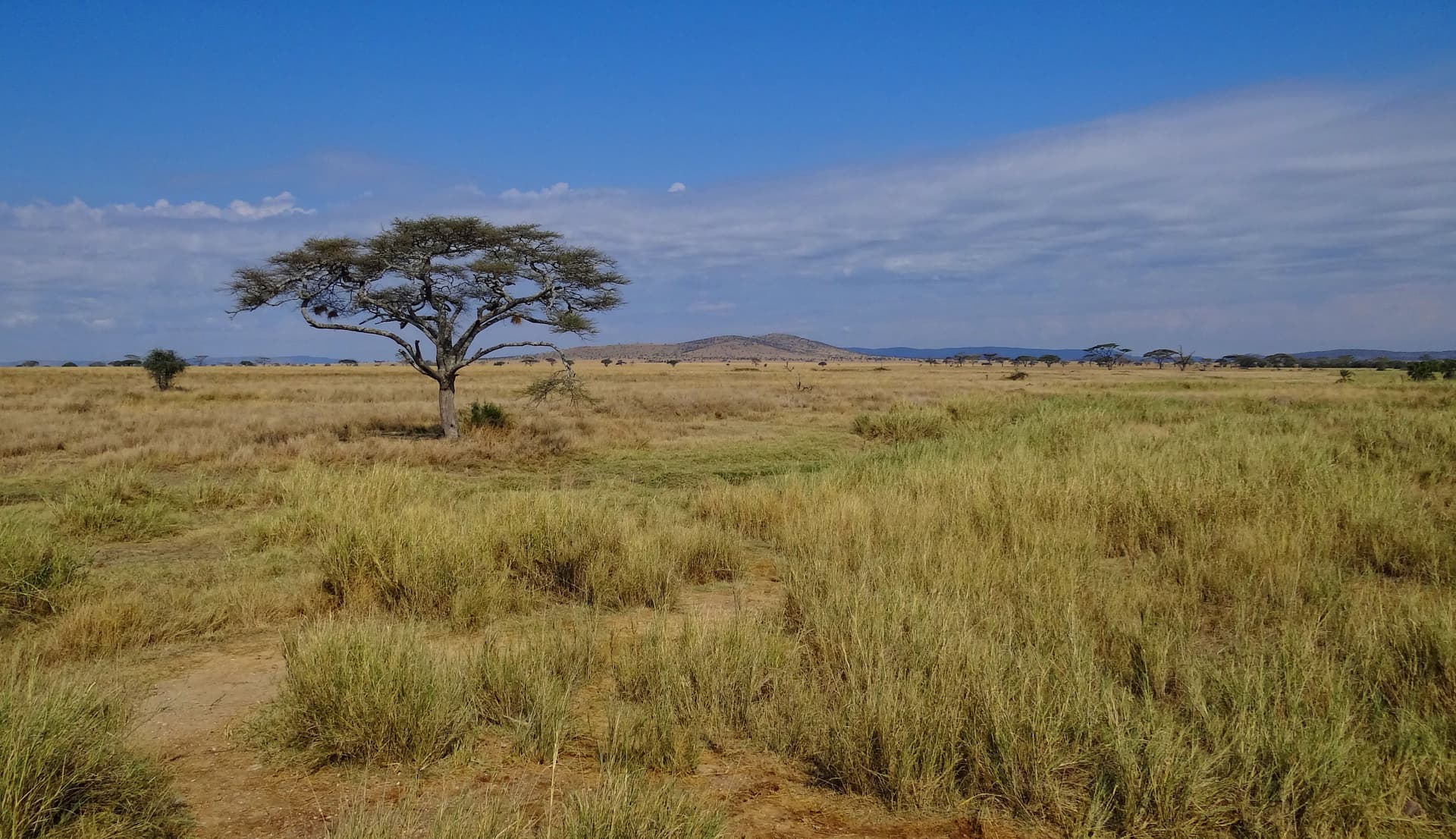
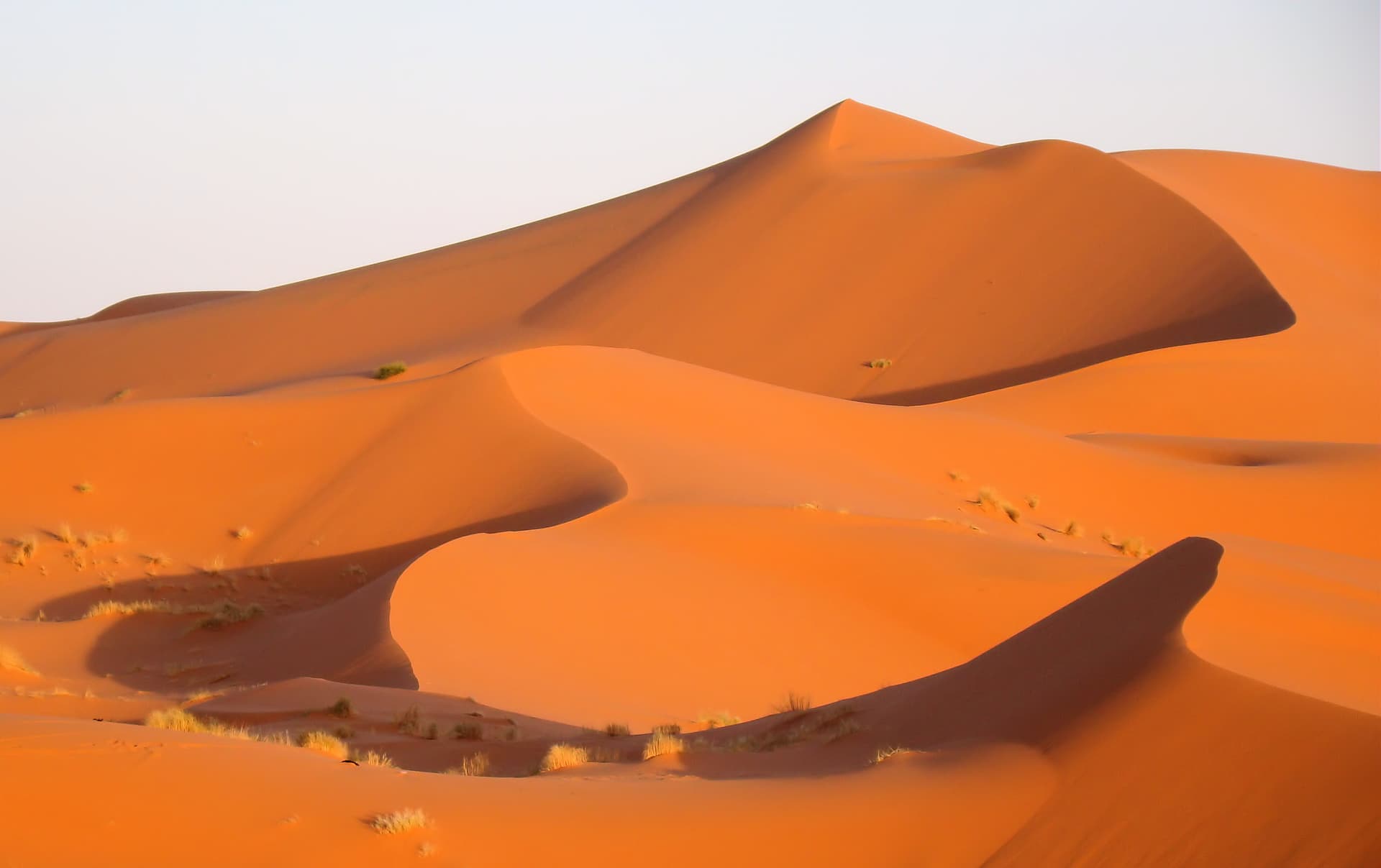
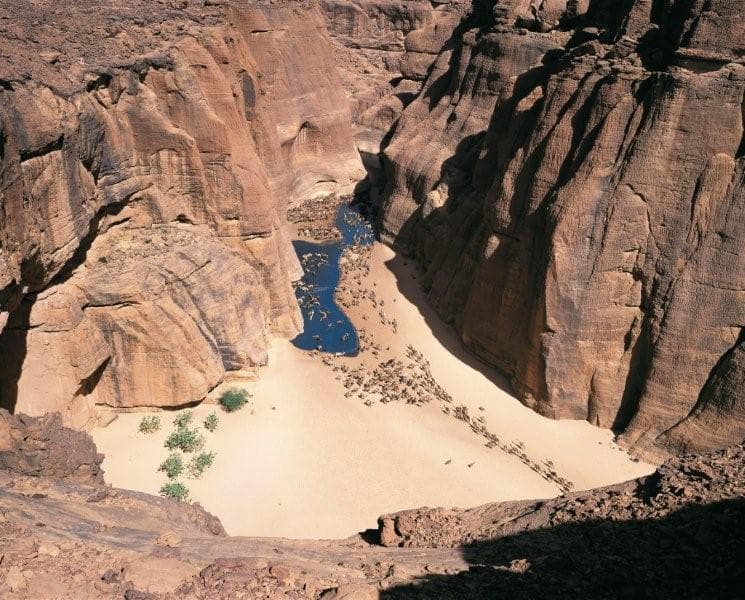
See more →Chad is the improbable one: a landlocked Sahelian country whose northern desert holds some of the most spectacular and least-seen landscapes on the planet. The Ennedi Massif in the northeast is a sandstone plateau eroded into arches, towers and canyons, with the Guelta d'Archei, a permanent water hole in a slot canyon where a relict population of desert crocodiles survives and camel caravans come to drink. It holds thousands of prehistoric rock paintings and is… a UNESCO World Heritage Site. The Lakes of Ounianga, also UNESCO-listed, are eighteen lakes surviving in a part of the Sahara that receives around 2 mm of rain a year, fed by fossil groundwater, the largest such complex anywhere. Zakouma National Park in the south is one of Africa's great conservation recoveries. Managed by African Parks since 2010 after poaching had cut the elephant population by 90%, it now holds a stable herd of several hundred, more than half the world's Kordofan giraffe, and lion, leopard and roan antelope. Ennedi expeditions run two weeks by 4x4 convoy. This is expedition travel.
November to March: the cool dry season, and the only viable window for the desert. The dry season runs roughly November to April, and November to March is when Ennedi and Ounianga expeditions operate. Daytime temperatures are manageable, nights are cold, genuinely near freezing in the desert, and the light for the rock formations and rock art is at its best. Zakouma has a narrower and more specific season. The park is generally open from around December to April and the wildlife viewing improves as the dry season progresses; February to April is the peak, when the last water sources concentrate enormous congregations of elephant and buffalo. The park closes entirely during the rains. April and May are the transition to extreme heat, regularly above 45°C, and desert travel stops. The rains fall roughly June to September in the south and centre, making black cotton soil impassable and closing Zakouma. The far north stays dry but is unbearably hot. Expeditions run to fixed dates in the season; book well ahead.
A visa is required and there is no visa on arrival: this catches people out, because some neighbouring countries do offer it. Apply in advance at a Chadian embassy or consulate. Single-entry and transit visas are typically around EUR 70 and valid for 30 days; multiple-entry runs about EUR 100 for three months. You will need a passport valid at least six months beyond arrival, passport photos, a letter of invitation or confirmation from a licensed Chadian tour operator, proof of accommodation, a return ticket, and your yellow fever vaccination certificate. Two requirements catch travellers after arrival. First, first-time visitors must obtain a registration stamp from the National Police within 72 hours of entering, your operator handles this, but it is not optional. Second, travel to the north, including Ennedi and Ounianga, requires additional permits and a licensed guide; the border regions with Libya and Sudan are closed. Photography permits are required and photographing military or government installations is prohibited. Independent travel in the desert is not realistic. Check current requirements and your government's travel advice, which restricts several regions.
Yellow fever: vaccination is mandatory for all travellers aged nine months and over, and the certificate is checked on arrival. Get it at least ten days before travel. Malaria: risk is present across the country, highest in the south and during and after the rains. Prophylaxis is recommended. The far northern desert is lower-risk but most itineraries pass through N'Djamena and the Sahel. Commonly recommended: hepatitis A and B, typhoid, tetanus-diphtheria-polio, meningococcal, Chad sits squarely in the African meningitis belt and outbreaks occur in the dry season, so this one matters, cholera for some itineraries, and rabies for remote travel. The dominant risks on a desert expedition are environmental rather than infectious. Daytime heat and near-freezing nights within the same twenty-four hours, extreme dryness and total absence of infrastructure mean dehydration and exposure are the realistic dangers. Carry far more water than seems necessary and pack genuine cold-weather gear for the nights. Drink bottled or properly treated water. Guelta water is not drinkable. Medical facilities are minimal even in N'Djamena and entirely absent in the north, where you may be several days' drive from a road. Specialist insurance including air evacuation is essential and operators will require proof. See a travel clinic at least eight weeks ahead.
Chad on the map
Hand-picked safaris, beach escapes, and cultural journeys across Chad.