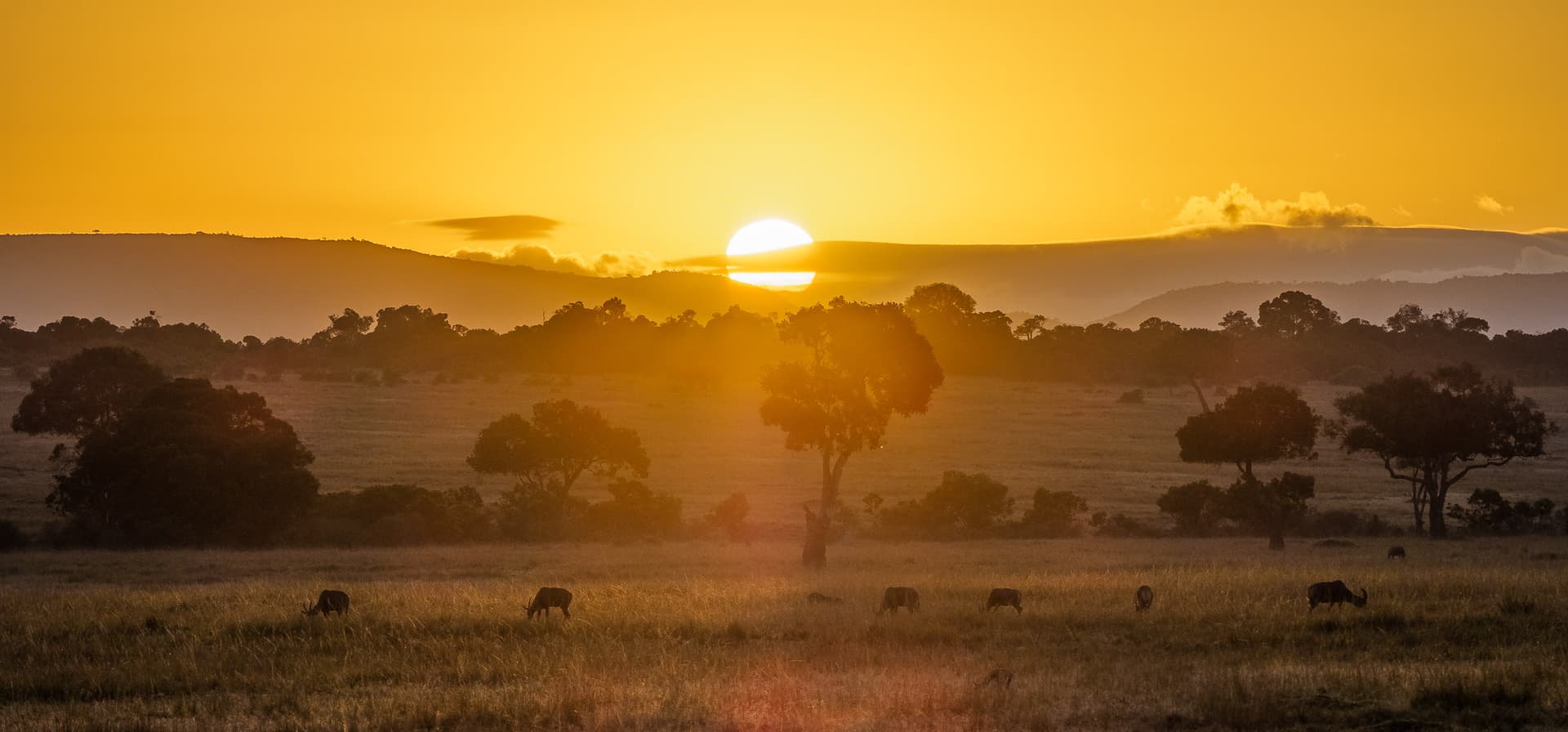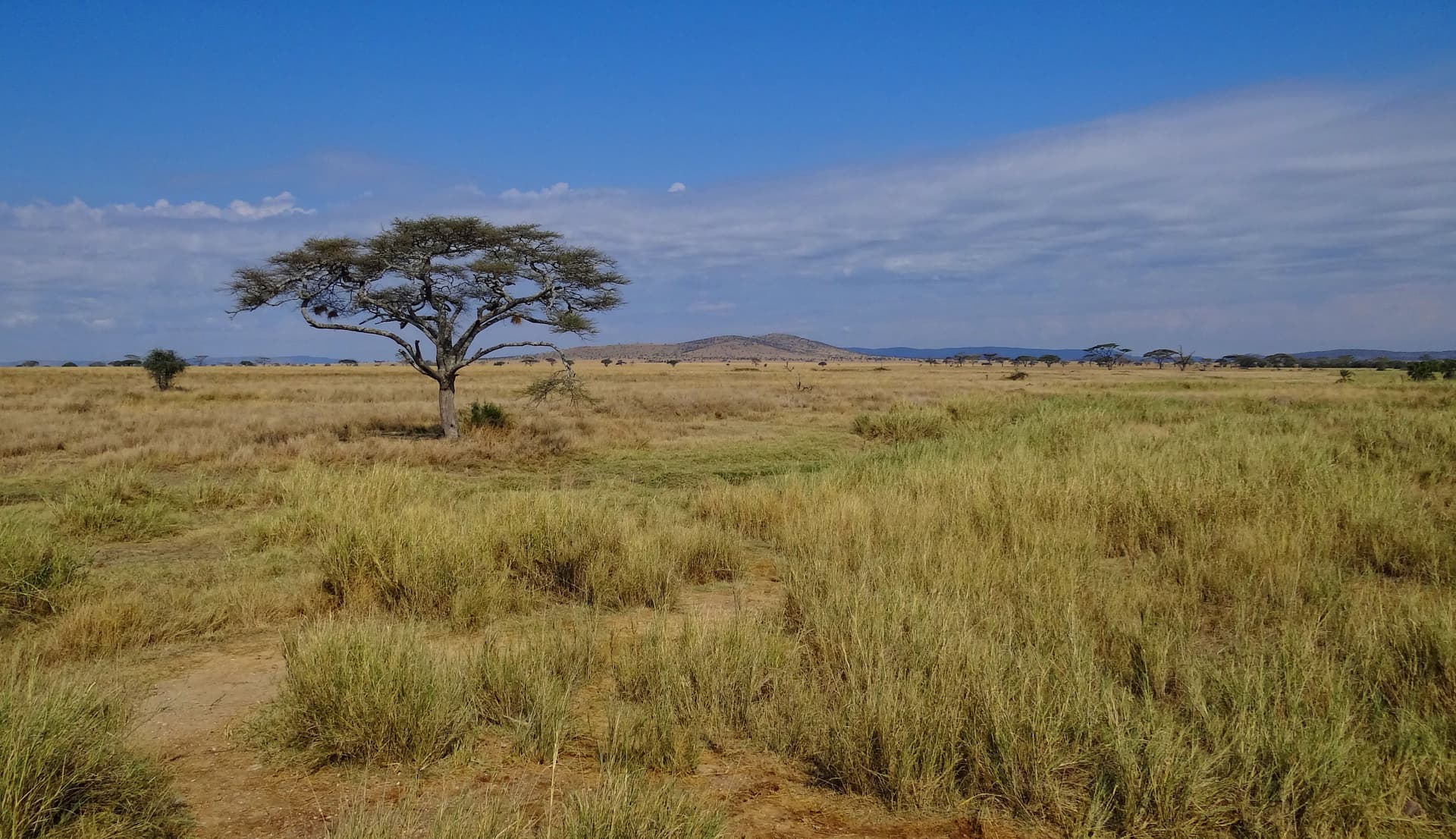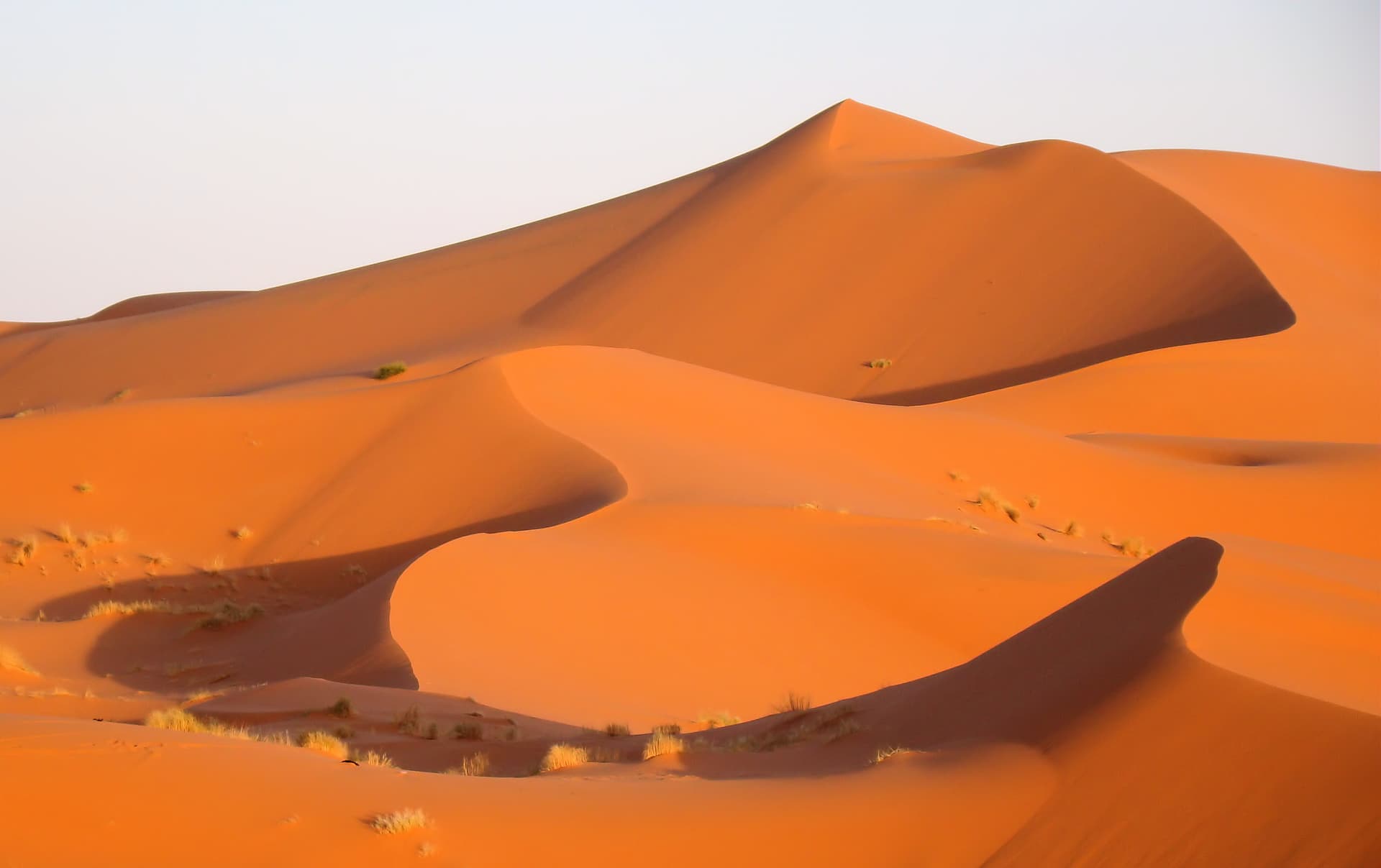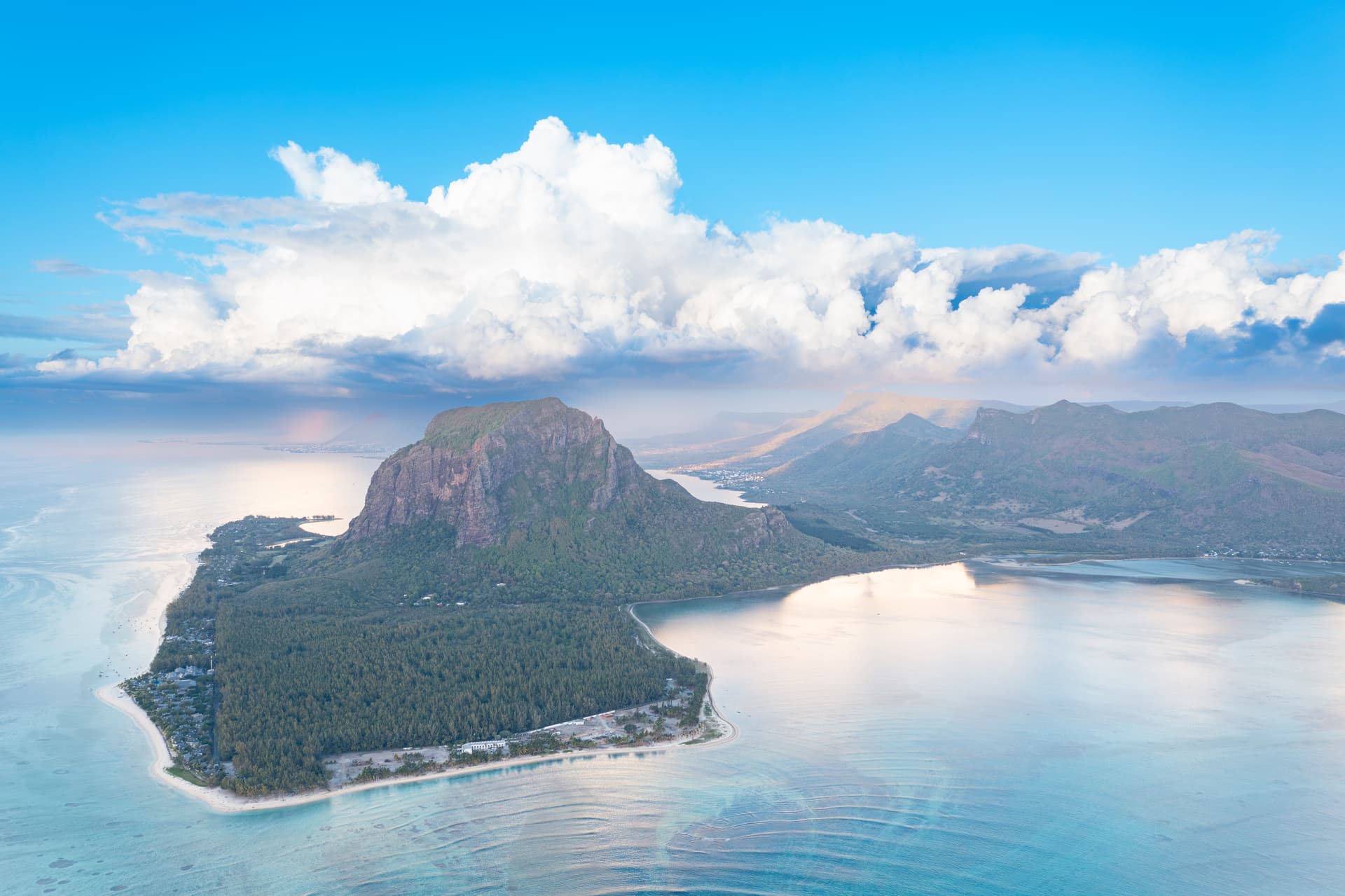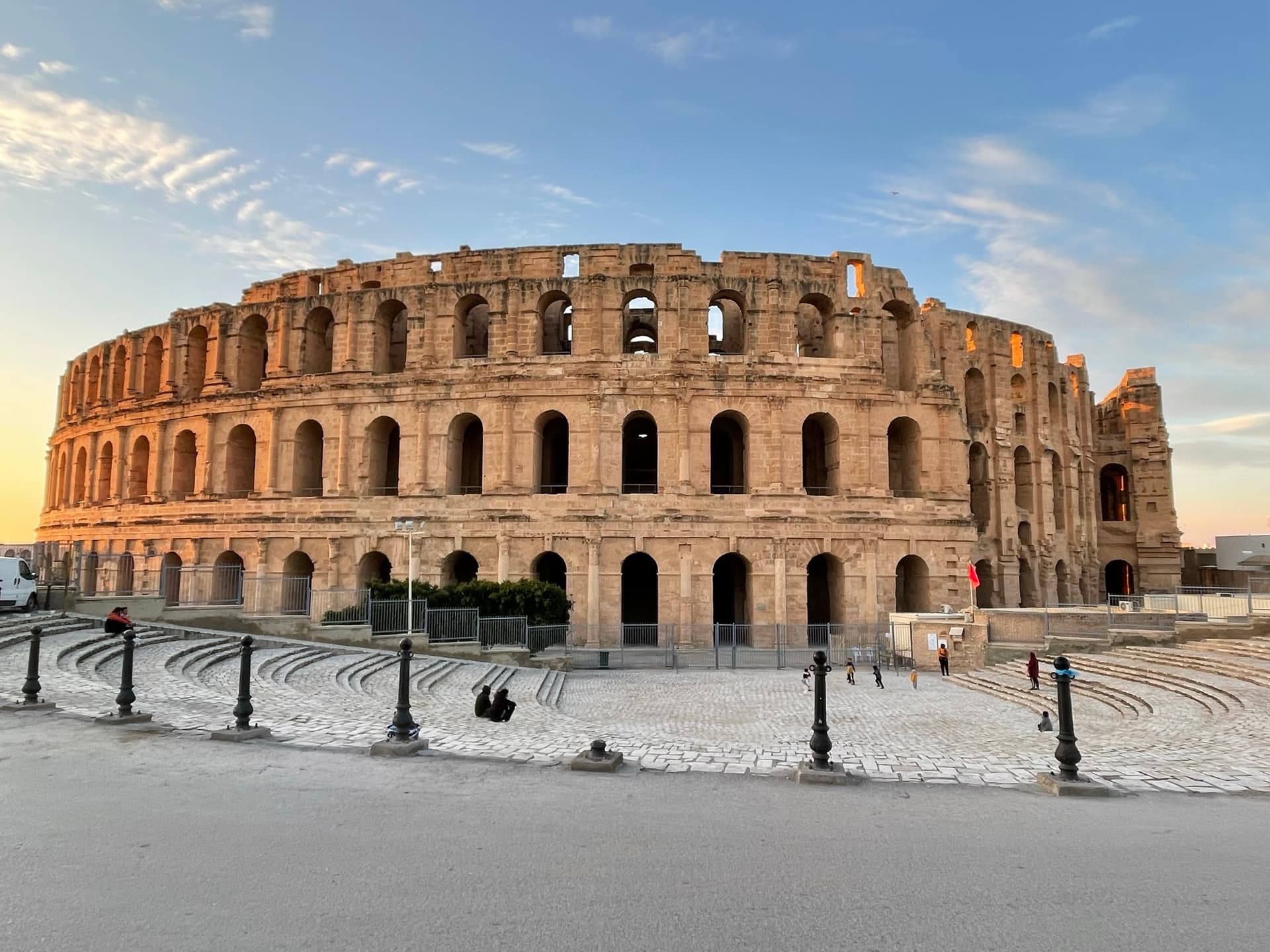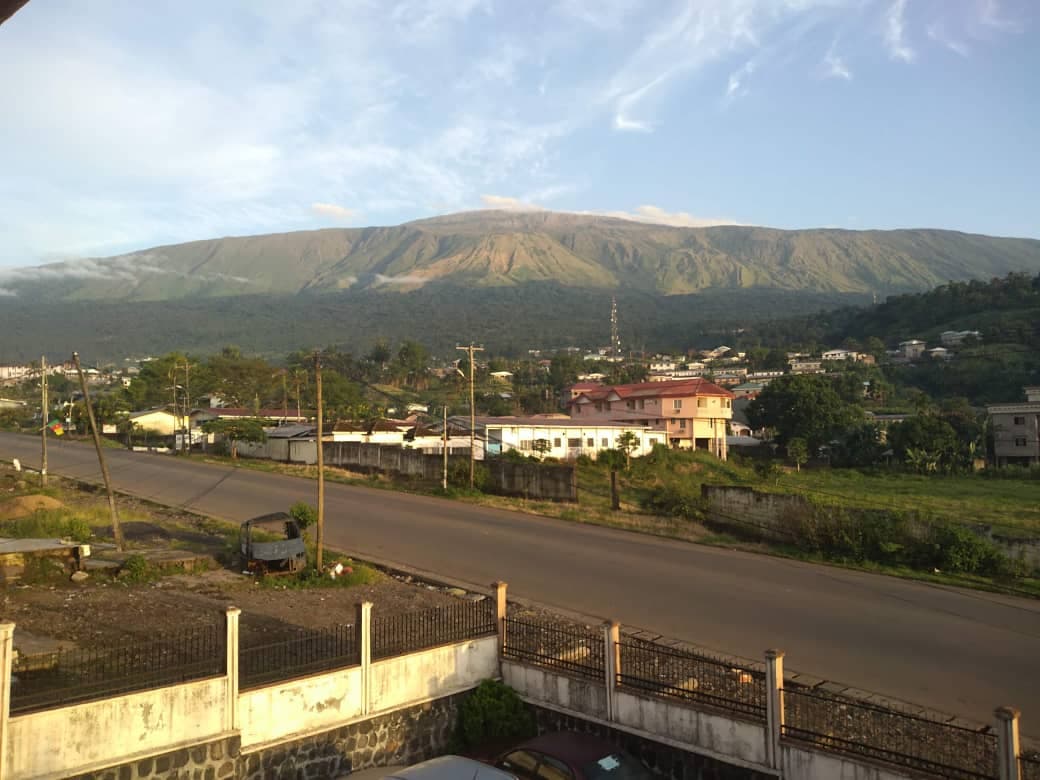
Cameroon is marketed as Africa in miniature and for once the slogan holds up: Sahelian desert in the far north, rainforest in the south, savanna in between, an Atlantic coast, and a 4,040 m volcano.
Read more about Cameroon →Capital: Yaoundé
Currency: XAF
Best time: November to February: the dry season, and the most comfortable window nationwide.
See more →Cameroon is marketed as Africa in miniature and for once the slogan holds up: Sahelian desert in the far north, rainforest in the south, savanna in between, an Atlantic coast, and a 4,040 m volcano. Waza National Park in the far north is the classic savanna reserve, with elephant, giraffe, antelope and lion in a Sahelian landscape. The Dja Faunal Reserve in the southeast is a UNESCO World Heritage Site protecting one of Africa's largest… and best-preserved rainforests, home to western lowland gorillas, chimpanzees and forest elephant. Korup in the southwest is among the oldest and most biologically diverse rainforests on the continent. Mount Cameroon, an active volcano near Buea, is the highest peak in West and Central Africa and is climbed over two to three days from sea level, a serious trek with the annual Mount Cameroon Race of Hope run up it each February. Limbe has black volcanic beaches and a wildlife centre, and the Ring Road in the northwest passes through crater lakes and highland grassland. Security conditions restrict travel in the far north and the anglophone northwest and southwest.
November to February: the dry season, and the most comfortable window nationwide. Cameroon's climate varies sharply north to south, but November to February works reasonably across the whole country. In the north it is the dry season and the best time for Waza, when wildlife concentrates at water and the roads are passable; in the south it is the drier interval between rains, and the humidity is at its most bearable. The north has a long dry season from roughly October to April, though March to May becomes extremely hot, regularly passing 40°C, and Waza is best visited before then. The south and the coast are wet for most of the year. Debundscha, on the flank of Mount Cameroon, is one of the wettest places on earth. The heaviest rains fall June to October, when forest tracks in Dja and Korup become very difficult. For Mount Cameroon, the driest and safest trekking window is roughly November to March; the mountain is climbable in the wet season but the trails become dangerous.
A visa is required for most nationalities. Cameroon operates an eVisa through the official government portal, which has largely replaced the embassy process for tourists. Apply online before travel. Tourist eVisas are typically issued for 30 or 90 days. You will need a passport valid at least six months beyond your stay with at least two blank pages, a passport photo, proof of accommodation or an invitation, a return ticket, evidence of sufficient funds, and your yellow fever vaccination certificate, which is mandatory. Proof of polio vaccination is required for stays longer than four weeks. On arrival, the eVisa approval is exchanged for the visa itself at the airport, with biometrics taken. Allow time for this at Douala or Yaoundé. Travel within the country is affected by security restrictions. The Far North region borders the Lake Chad basin and the anglophone Northwest and Southwest regions have seen sustained unrest, with curfews, roadblocks and restrictions on movement. Carry your passport at all times: police checkpoints are frequent and routine. Check current requirements and your government's travel advice before booking.
Yellow fever: vaccination is mandatory for all travellers to Cameroon regardless of origin. The certificate is required for the visa application and checked on arrival, and must be at least ten days old. Malaria: risk is high and year-round throughout the country including Douala and Yaoundé. Prophylaxis is essential for every visitor. Commonly recommended: hepatitis A and B, typhoid, tetanus-diphtheria-polio, meningococcal (the far north lies in the African meningitis belt, with risk highest in the December-to-June dry season), cholera for some itineraries, and rabies for rural and forest travel. Polio proof is required for longer stays. Other considerations: drink bottled or properly treated water only. Schistosomiasis is present in fresh water: do not swim in lakes or slow rivers. Filariasis and onchocerciasis occur in some rural areas. Mount Cameroon adds altitude and rapid weather change; the ascent from near sea level to 4,040 m in two days is aggressive, and cold and exposure are real risks on the summit. Medical facilities are limited outside Douala and Yaoundé, where a few private clinics are adequate for basic care. Insurance including air evacuation is essential. See a travel clinic six to eight weeks ahead.
Cameroon on the map
Hand-picked safaris, beach escapes, and cultural journeys across Cameroon.