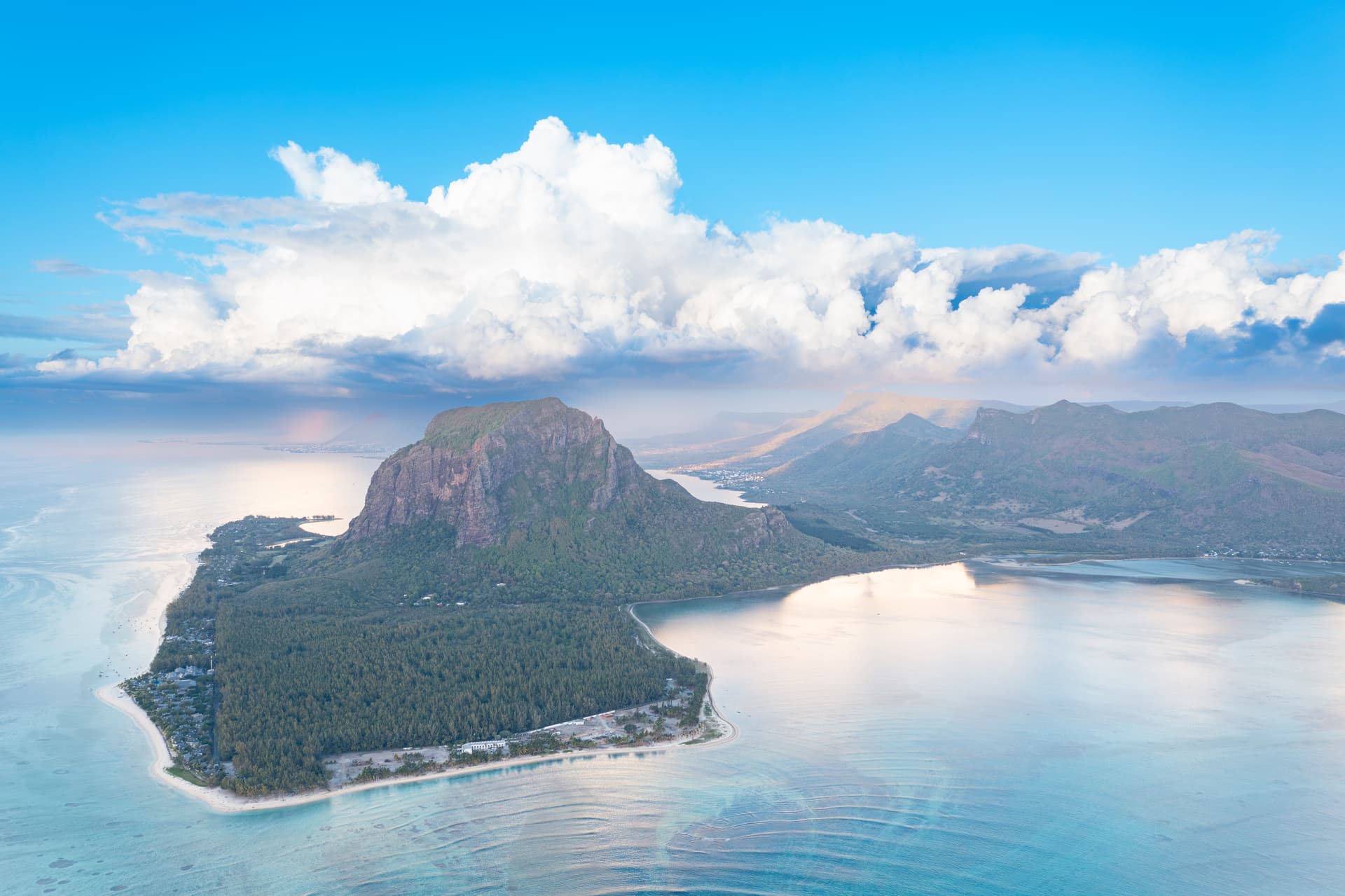
Cabo Verde is ten volcanic islands 570 km off the Senegalese coast, and it functions more like a mid-Atlantic archipelago than a West African country, Creole-speaking, half-Portuguese, half-African, with a music tradition that produced Cesária Évora.
Read more about Cabo Verde →Capital: Praia
Currency: CVE
Best time: Year-round, with November to June the driest and windiest; December to March for European winter sun.
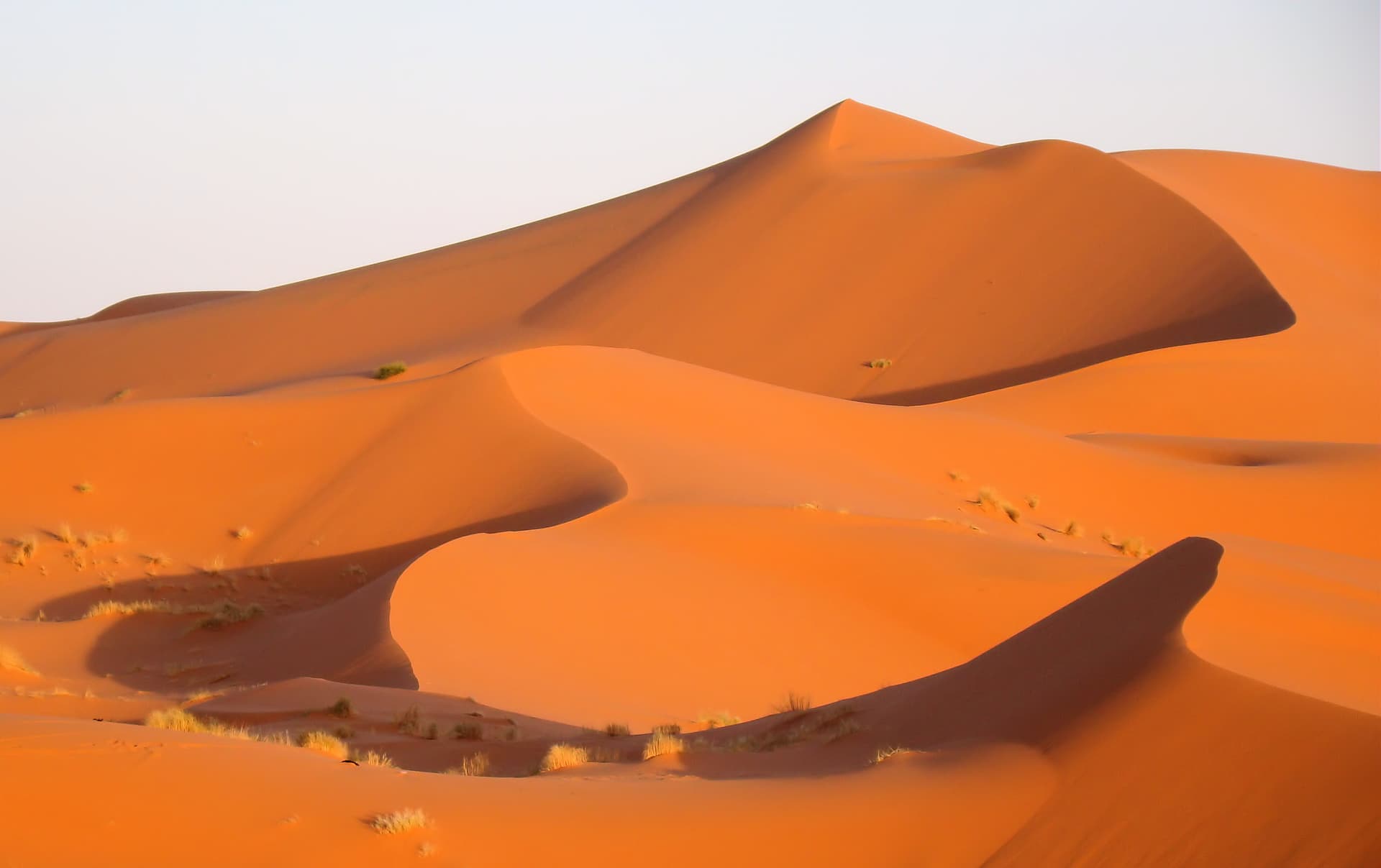
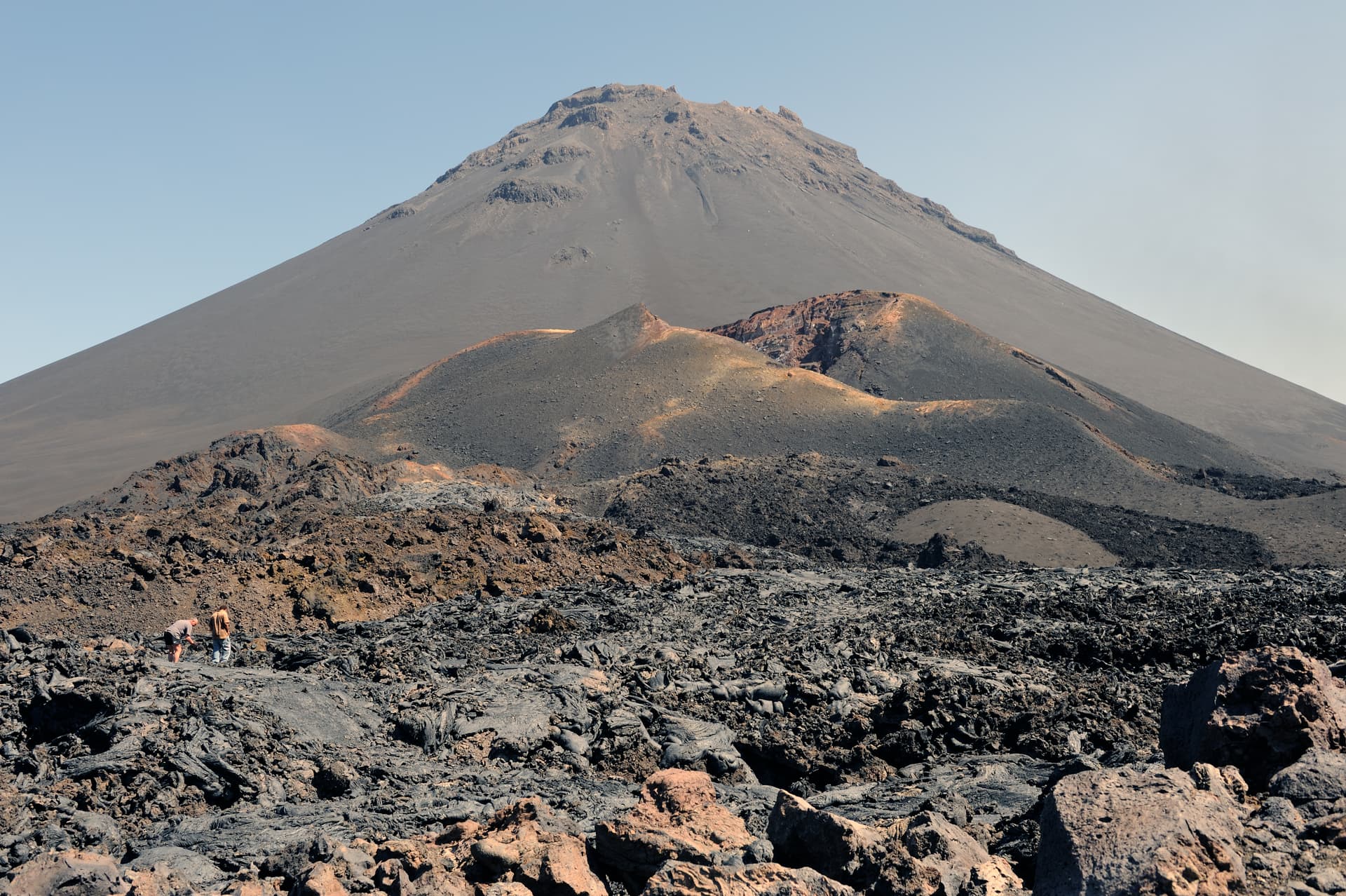
See more →Cabo Verde is ten volcanic islands 570 km off the Senegalese coast, and it functions more like a mid-Atlantic archipelago than a West African country, Creole-speaking, half-Portuguese, half-African, with a music tradition that produced Cesária Évora. Sal and Boa Vista are the beach islands and take most of the international flights. Sal is the developed one, with Santa Maria's long white beach, the widest choice of hotels and world-class kitesurfing at Kite Beach. Boa Vista… is quieter and wilder: enormous dunes, the longest empty beaches in the country, and one of the most important loggerhead turtle nesting sites in the world. Santiago holds the capital, Praia, and Cidade Velha, the first European colonial settlement in the tropics and a UNESCO World Heritage Site. Santo Antão is the hiking island, with ribeiras cut deep into volcanic ridges and trails between terraced villages that rank among the best walking in the Atlantic. Fogo is a live volcano with a village inside the caldera and vineyards on the ash. The country was certified malaria-free in 2024.
Year-round, with November to June the driest and windiest; December to March for European winter sun. Cabo Verde is one of the few genuinely all-season destinations in Africa. Temperatures sit between 24°C and 30°C throughout the year and rainfall is minimal on the eastern islands. The dry season runs November to June. The trade winds are strongest from November to March, which makes this the peak window for kitesurfing and windsurfing on Sal and Boa Vista, and the height of European winter escape traffic. Book ahead for Christmas and February. April to June is calmer, still dry, and good for diving and for hiking on Santo Antão. The brief rainy season, July to October, brings short showers mostly on the mountainous western islands; Sal and Boa Vista barely register it. This is the warmest sea, the best turtle nesting window on Boa Vista, and the quietest and cheapest period. Santo Antão's hiking is best from November to June when the trails are dry and the visibility clear.
Cabo Verde removed visa requirements for most Western travellers, but replaced them with a mandatory online registration that catches people out. Citizens of the EU, United Kingdom, United States, Canada and a number of other countries do not require a visa for stays of up to 30 days. However, every international traveller aged two and over must complete the EASE pre-registration online before departure. This is compulsory and separate from any visa, and is checked at check-in. EASE registration covers arrival at the international airports on Sal, Boa Vista, Santiago (Praia) and São Vicente, and permits stays of up to 30 days, extendable in country. An airport security fee is payable, generally collected as part of the EASE registration or on arrival. A passport valid at least six months with a blank page is required, along with proof of accommodation and a return ticket. Inter-island travel is by small aircraft or ferry, both of which are weather-dependent and prone to delay. Do not book a same-day connection to an international flight. Confirm current requirements before travelling.
Yellow fever: a certificate is required only for travellers aged one year and over arriving from a country with risk of yellow fever transmission. Not required for arrivals from Europe or North America. Malaria: Cabo Verde was certified malaria-free by the World Health Organization in 2024, the third African country to achieve it. No prophylaxis is required: a genuine advantage for families and for anyone who cannot tolerate antimalarials. Commonly recommended: keep routine immunisations current, tetanus-diphtheria-polio and MMR, plus hepatitis A and typhoid as standard for food and water exposure. Hepatitis B and rabies are worth discussing for longer stays. Dengue occurs, with occasional outbreaks; use repellent. Zika has been reported historically, which is worth raising with a clinician if you are pregnant or planning to be. Tap water is desalinated and generally treated, but bottled water is the norm and is what most visitors use. The practical hazards are the sea and the sun. Atlantic currents and undertows are strong on the exposed beaches, there are few lifeguards, and drownings occur. The sun is intense and the constant wind masks how much you are burning. Medical facilities are adequate on Sal, Praia and São Vicente; serious cases mean evacuation to Portugal or Senegal. Carry insurance including evacuation.
Cabo Verde on the map
Hand-picked safaris, beach escapes, and cultural journeys across Cabo Verde.