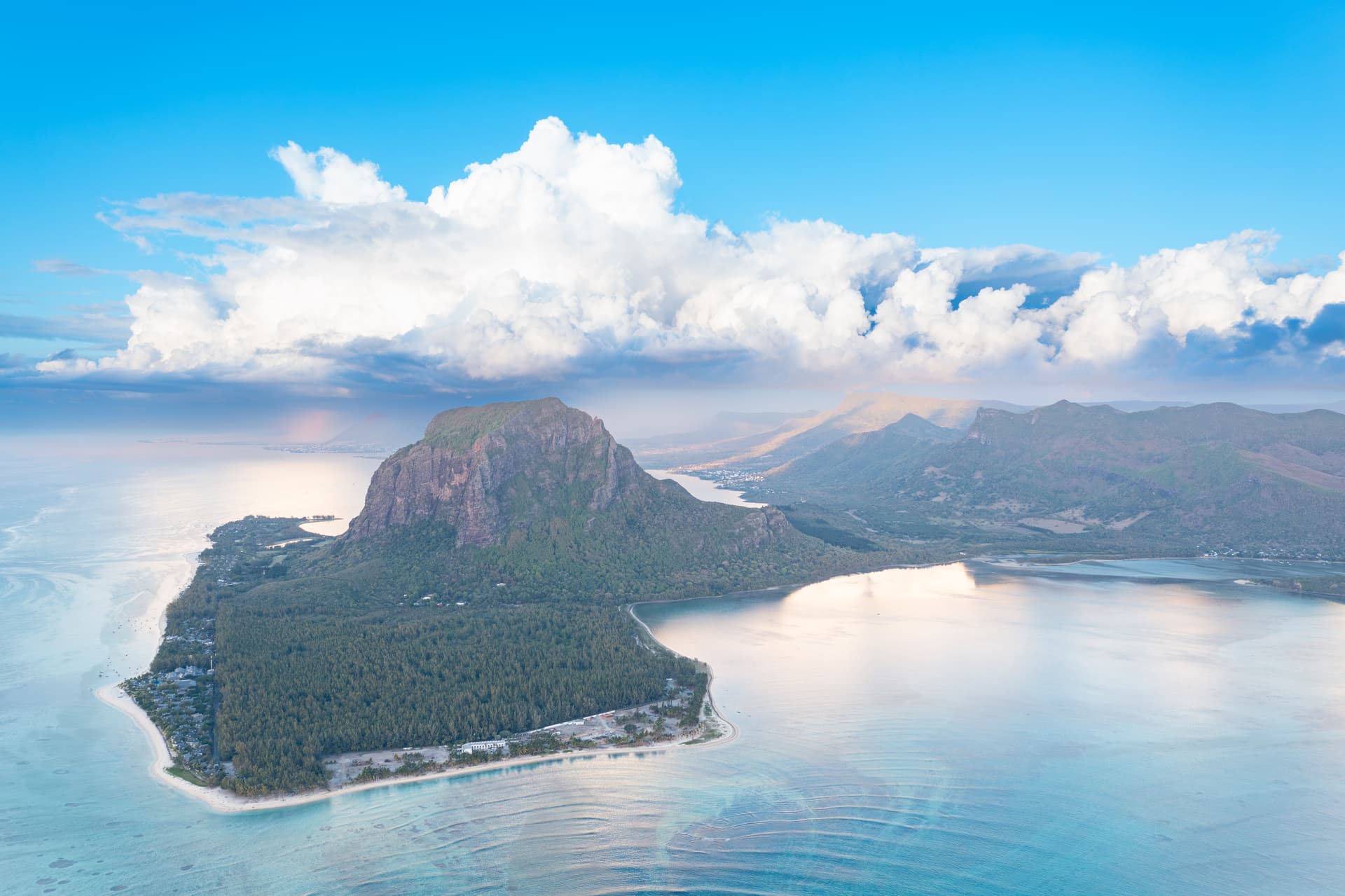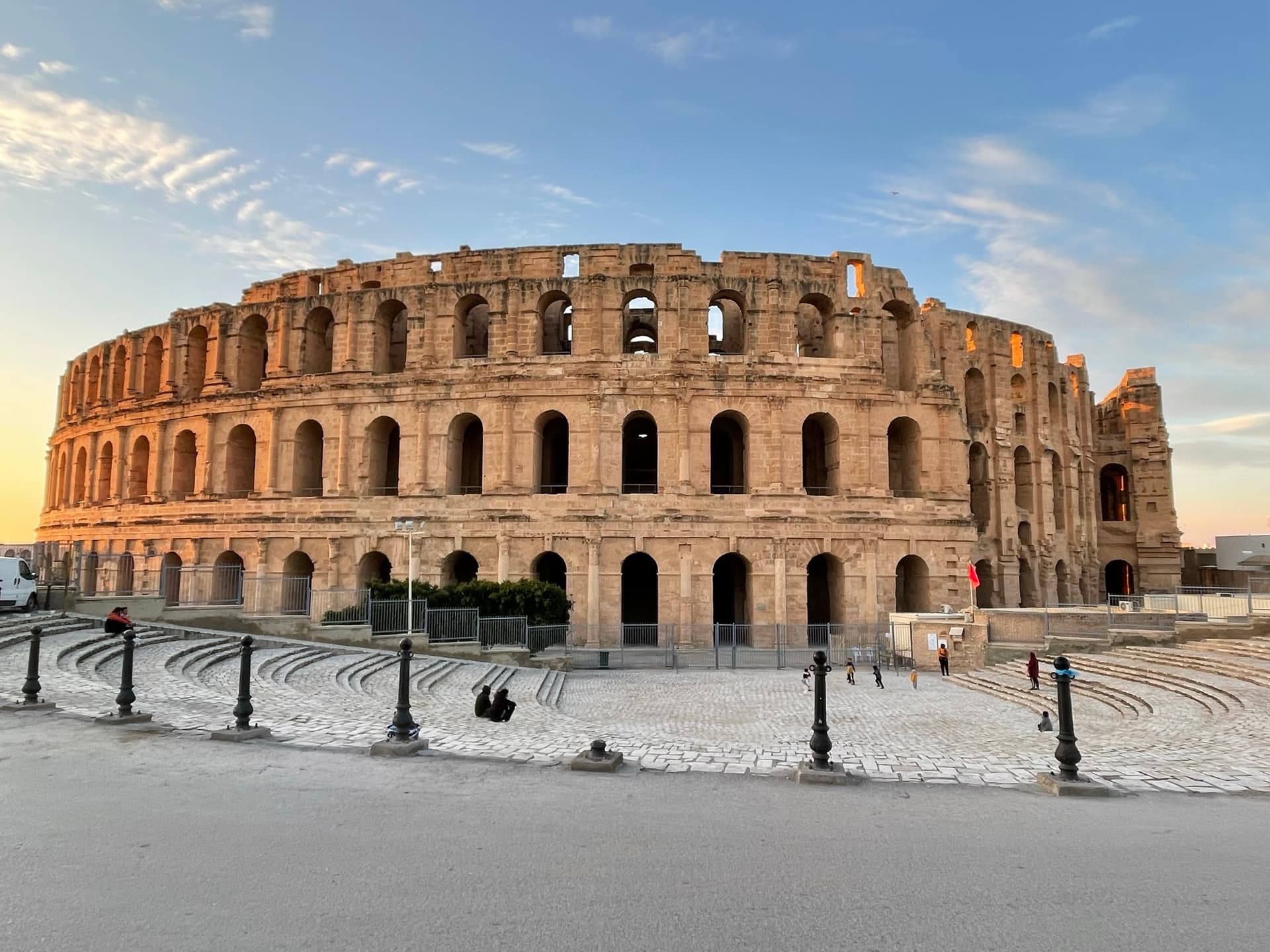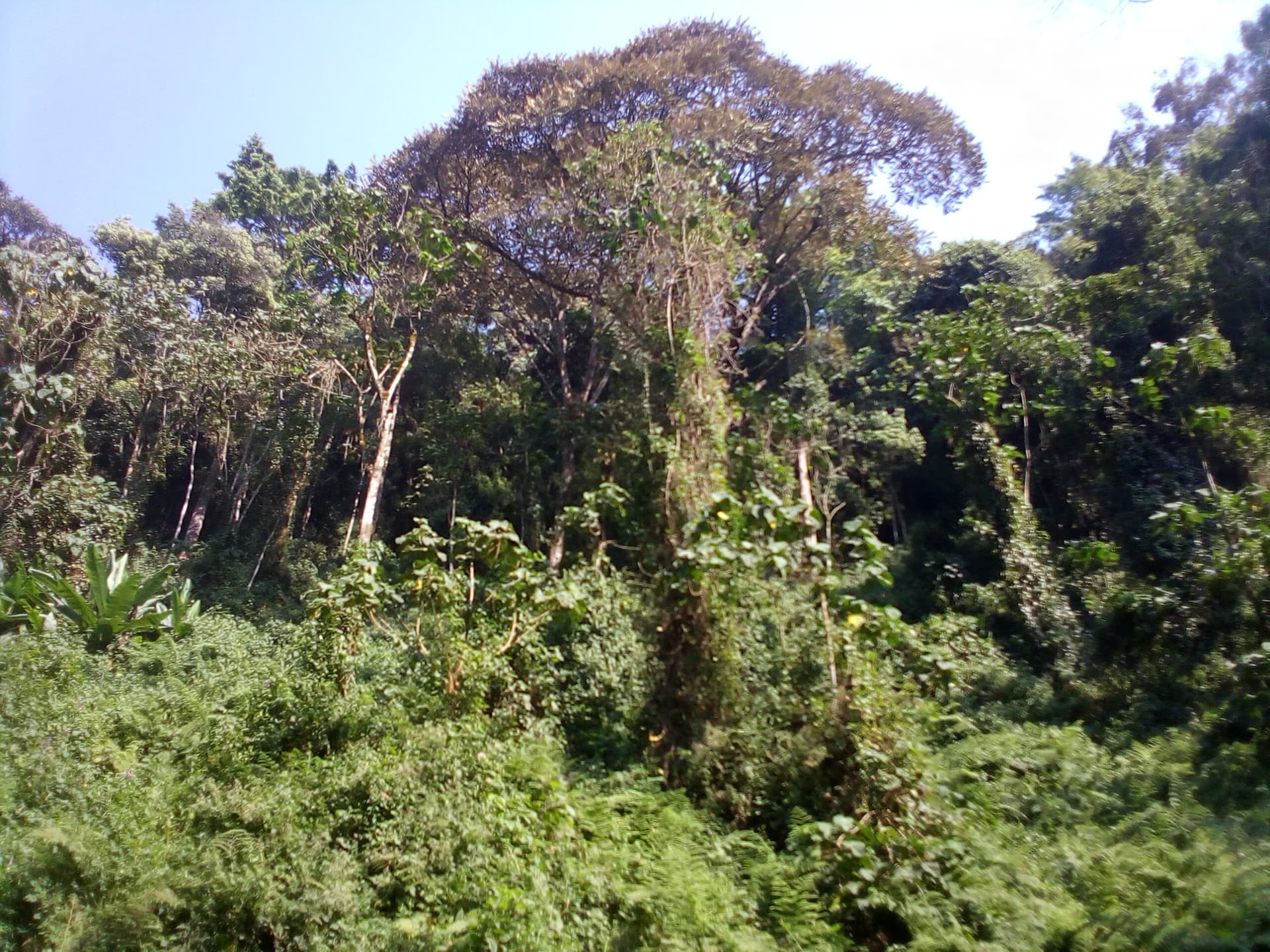
Burundi is one of Africa's least-visited countries and one of its most scenic, a small, densely green, hill-covered republic on the northeastern shore of Lake Tanganyika.
Read more about Burundi →Capital: Gitega
Currency: BIF
Best time: June to August and December to January: the two dry seasons, and the best months for hiking and the lake.
See more →Burundi is one of Africa's least-visited countries and one of its most scenic, a small, densely green, hill-covered republic on the northeastern shore of Lake Tanganyika. The lake is the centrepiece. Tanganyika is the world's second-deepest freshwater lake and the beaches south of Bujumbura are among the best inland beaches on the continent, with clear water, cichlid-rich snorkelling and no crowds at all. Kibira National Park, in the northwest, is a 40,000-hectare montane rainforest along… the Congo-Nile divide, contiguous with Rwanda's Nyungwe and home to chimpanzees, baboons, black-and-white colobus and roughly 200 bird species. Rusizi National Park near the capital holds hippo and a notable population of Nile crocodile, and the Karera Falls and the Gishora drum sanctuary anchor a cultural circuit inland. Gitega is the political capital. Infrastructure is basic and travel is best arranged through an operator with local knowledge.
June to August and December to January: the two dry seasons, and the best months for hiking and the lake. Burundi runs two rainy seasons, February to May and September to November, and two dry ones. The long dry season from June to August is the most comfortable time to travel: cooler, minimal rain, firm forest trails in Kibira and reliable road access to the interior. The short dry season in December and January is also good, and slightly warmer. During the rains, the country is spectacularly green and the waterfalls are at full volume, but unpaved roads deteriorate quickly and forest hiking becomes hard work. Lake Tanganyika is pleasant year-round, the water stays warm and the beaches are sheltered, so a lake-focused trip is less season-dependent than an inland one.
Most travellers need a visa arranged before arrival. Burundi operates an eVisa system through the immigration service; apply online, print the approval, and carry it with you. Expect to provide a passport valid at least six months beyond entry, a passport photo, proof of accommodation or an invitation letter, a return ticket, and your yellow fever vaccination certificate, the last is checked at the border as well as at the application stage. Tourist visas are typically issued for 30 days. East African Community nationals enter without a visa. Some nationalities can still obtain a visa on arrival at Bujumbura's Melchior Ndadaye International Airport, but this is not dependable and should not be relied on without written confirmation. Burundi's requirements change with little public notice and the online system is not always current. Verify with a Burundian embassy or through your tour operator well before you travel, and check your government's travel advice for the security situation, which varies by province.
Yellow fever: vaccination is mandatory for all travellers to Burundi and the certificate is checked at entry. Get it at least ten days before travel. Malaria: Burundi is a high-risk, year-round malaria zone across the entire country including Bujumbura and the lakeshore. Prophylaxis is strongly recommended for every visitor, without exception, alongside repellent and nets. Commonly recommended: hepatitis A and B, typhoid, tetanus-diphtheria-polio, meningococcal, and rabies for rural or forest travel. Practical notes: cholera occurs periodically, particularly around the lake, so be strict about water and food. Drink bottled or properly treated water only and avoid uncooked food outside established hotels. Schistosomiasis (bilharzia) is present in parts of Lake Tanganyika; ask locally before swimming and stick to areas your operator confirms are safe. Medical facilities are very limited outside Bujumbura, and even there they are basic by regional standards. Comprehensive insurance including emergency evacuation to Nairobi or Kigali is essential rather than optional. See a travel clinic six to eight weeks before departure.
Burundi on the map
Hand-picked safaris, beach escapes, and cultural journeys across Burundi.