Burkina Faso built a genuine cultural tourism sector before the security situation closed it, and the assets have not gone anywhere even though the visitors have.
Read more about Burkina Faso →Capital: Ouagadougou
Currency: XOF
Best time: November to February: the cool dry season, and by some distance the most comfortable window.
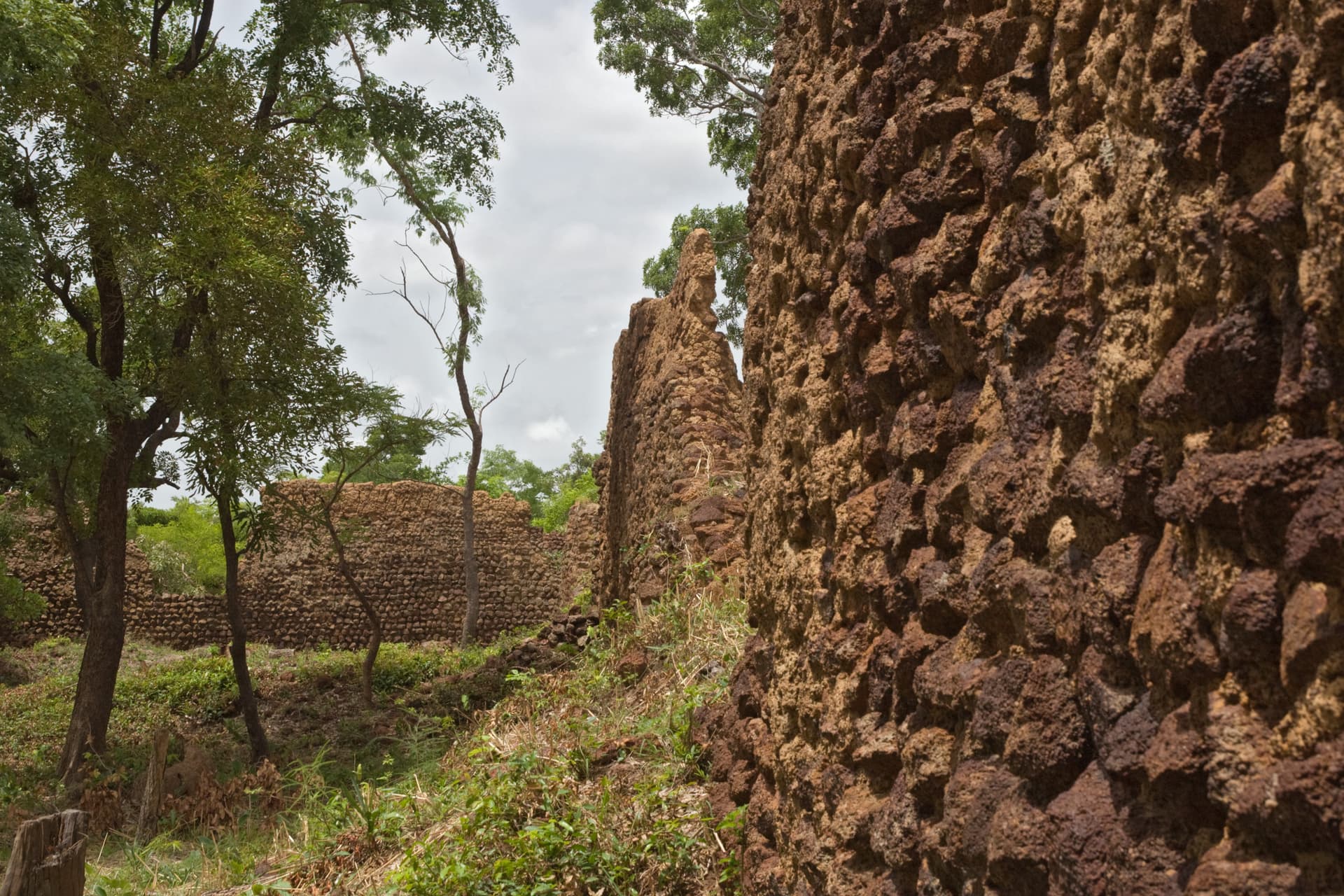
See more →Burkina Faso built a genuine cultural tourism sector before the security situation closed it, and the assets have not gone anywhere even though the visitors have. Ouagadougou hosts FESPACO, the Pan-African Film and Television Festival, which has run biennially since 1969 and is the largest African film event in the world. The Grand Marché and the bronze-casting and textile workshops made the capital a centre for West African crafts. The Ruins of Loropéni in the… southwest, a UNESCO World Heritage Site, are the best-preserved of a group of fortified stone settlements linked to the trans-Saharan gold trade. The Sindou Peaks near Banfora are a wind-eroded sandstone ridge, and the Karfiguéla waterfalls and the Domes of Fabedougou sit nearby. Arly and W National Parks in the east form part of the W-Arly-Pendjari complex, the largest remaining intact savanna ecosystem in West Africa. Since 2015 the country has faced a sustained insurgency. Most governments advise against all travel, and the practical reality is that tourism has effectively ceased.
November to February: the cool dry season, and by some distance the most comfortable window. Burkina Faso has three seasons and only one of them is pleasant. The cool dry season from November to February gives daytime temperatures around 25–30°C with cold nights and the harmattan blowing dust down from the Sahara. This is when FESPACO is held in odd-numbered years, in late February and early March. March to May is the hot dry season and it is severe: temperatures reach 45°C and travel becomes genuinely difficult. This is the period to avoid outright. The rains fall June to October, cooling things considerably and turning the country green. The waterfalls at Karfiguéla run properly and the landscape around Banfora is at its best, but unsealed roads become muddy and rural areas can be cut off. All of this is currently academic. Armed conflict has closed most of the country and it remains under the highest-level travel warnings from most governments; check current advice before considering any travel.
A visa is required for most nationalities. Burkina Faso operates an eVisa, with single-entry visas permitting stays of up to 90 days, and visas are also issued at diplomatic missions. Requirements include a passport valid at least six months beyond your intended departure, passport photos, proof of accommodation or an invitation, a return ticket, and your yellow fever vaccination certificate, which is mandatory for all travellers regardless of origin. Citizens of ECOWAS states, Benin, Cabo Verde, Côte d'Ivoire, The Gambia, Ghana, Guinea, Guinea-Bissau, Liberia, Mali, Niger, Nigeria, Senegal, Sierra Leone and Togo, plus a handful of others including Mauritania and Morocco, enter without a visa. There is a significant recent development: following United States travel restrictions, Burkina Faso imposed reciprocal measures in 2026, and United States citizens are currently unable to enter. Verify the position for your own nationality directly rather than relying on any secondary source. Most governments, including the United States, United Kingdom and Canada, advise against all travel to Burkina Faso due to terrorism, kidnapping and armed conflict. Standard travel insurance is void under such an advisory.
Yellow fever: vaccination is mandatory for all travellers regardless of where you are arriving from, and the certificate is checked at entry. It must be administered at least ten days before arrival. Malaria: risk is high and year-round throughout the country including Ouagadougou, peaking during and after the rains. Prophylaxis is essential for every visitor. Commonly recommended: hepatitis A and B, typhoid, tetanus-diphtheria-polio, and meningococcal. Burkina Faso sits at the centre of the African meningitis belt and epidemics occur during the December-to-June dry season, so this one is genuinely important rather than precautionary. Rabies is advised for rural travel, and cholera for some itineraries. Drink only bottled or properly treated water. Schistosomiasis is present in fresh water; do not swim in rivers, lakes or dams. Heat and dehydration are serious in the hot season. Medical facilities are limited and, in areas affected by conflict, largely non-functional. Many health centres in the north and east have closed. There is no dependable emergency evacuation infrastructure. Bring a complete supply of prescription medication and a comprehensive first-aid kit, and note that standard travel insurance will not be valid under a do-not-travel advisory. Consult a travel medicine specialist at least eight weeks ahead.
Burkina Faso on the map
Hand-picked safaris, beach escapes, and cultural journeys across Burkina Faso.