East Africa vs. Southern Africa: Which Safari Destination Is Right for You?
Africa Travel Bookings
· 5 min read
Published: 3 September 2026 | Category: Wildlife & Nature | Tags: East Africa, Southern Africa, Great Migration, Okavango Delta, Safari Comparison
Africa offers some of the finest wildlife experiences on earth, but choosing where to go for a safari can be surprisingly difficult. Kenya, Tanzania, Uganda, and Rwanda offer dramatically different experiences from Botswana, Namibia, South Africa, Zambia, and Zimbabwe. All are capable of delivering extraordinary wildlife encounters, yet the landscapes, safari styles, seasons, accommodation, travel logistics, and overall atmosphere can vary considerably.
So which region is right for you: East Africa or Southern Africa? The answer depends less on which region is better and more on what you want from your African safari. Are you dreaming of watching thousands of wildebeest crossing the Mara River? Or would you rather take an intimate canoe safari through a flooded wetland, a self-drive adventure through the bush, or a road trip combining wildlife with deserts, mountains, and dramatic coastlines? This guide compares the two regions across the factors that matter most when planning a safari.
What Makes East Africa Special
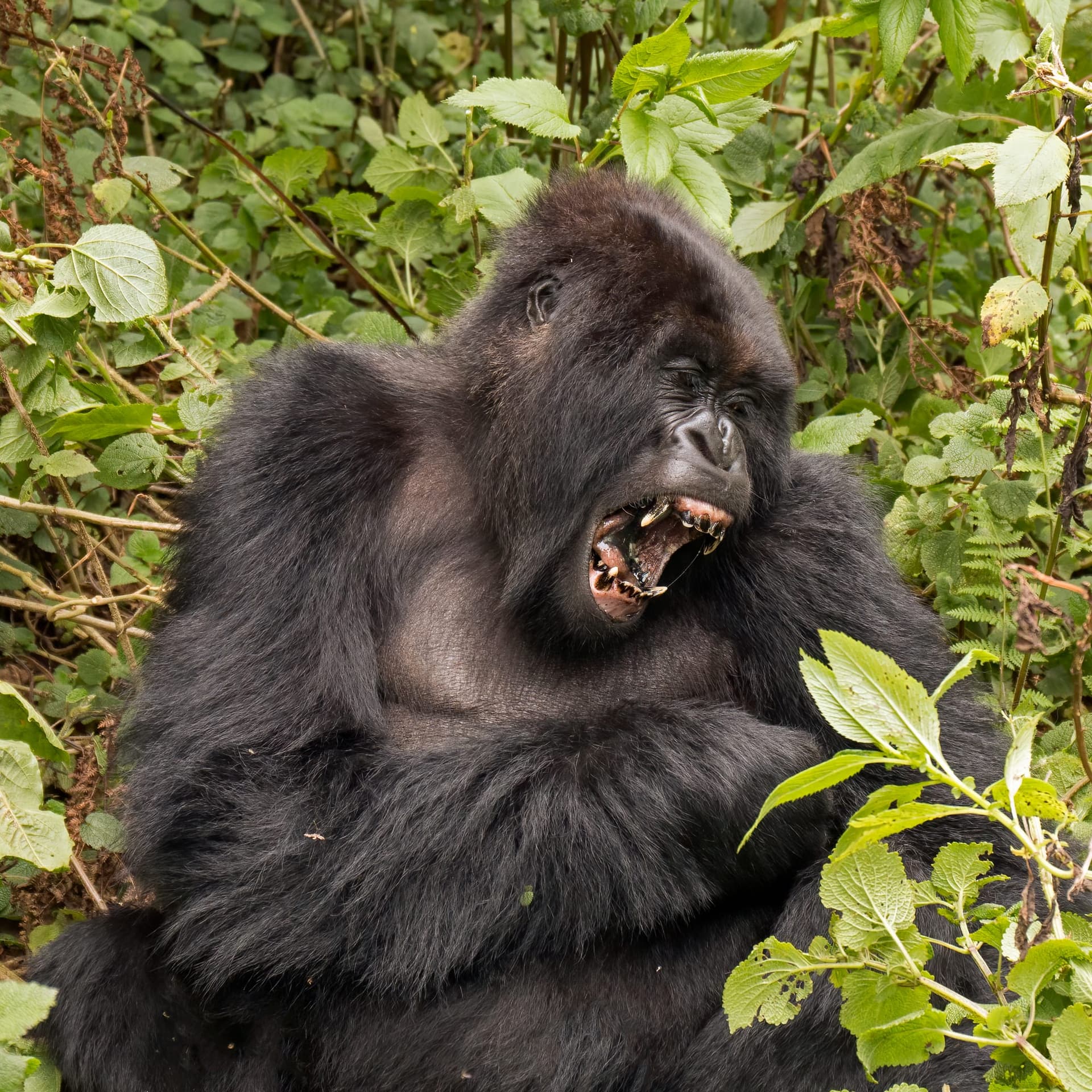
East Africa is home to some of the continent's most recognisable safari landscapes. Kenya and Tanzania are the region's classic safari destinations, with Uganda and Rwanda offering exceptional primate experiences alongside traditional wildlife viewing.
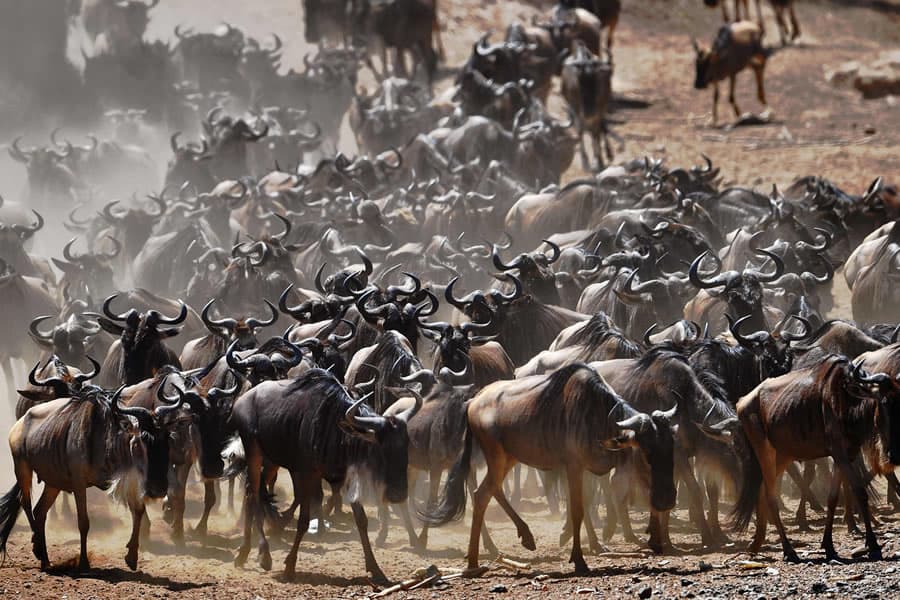
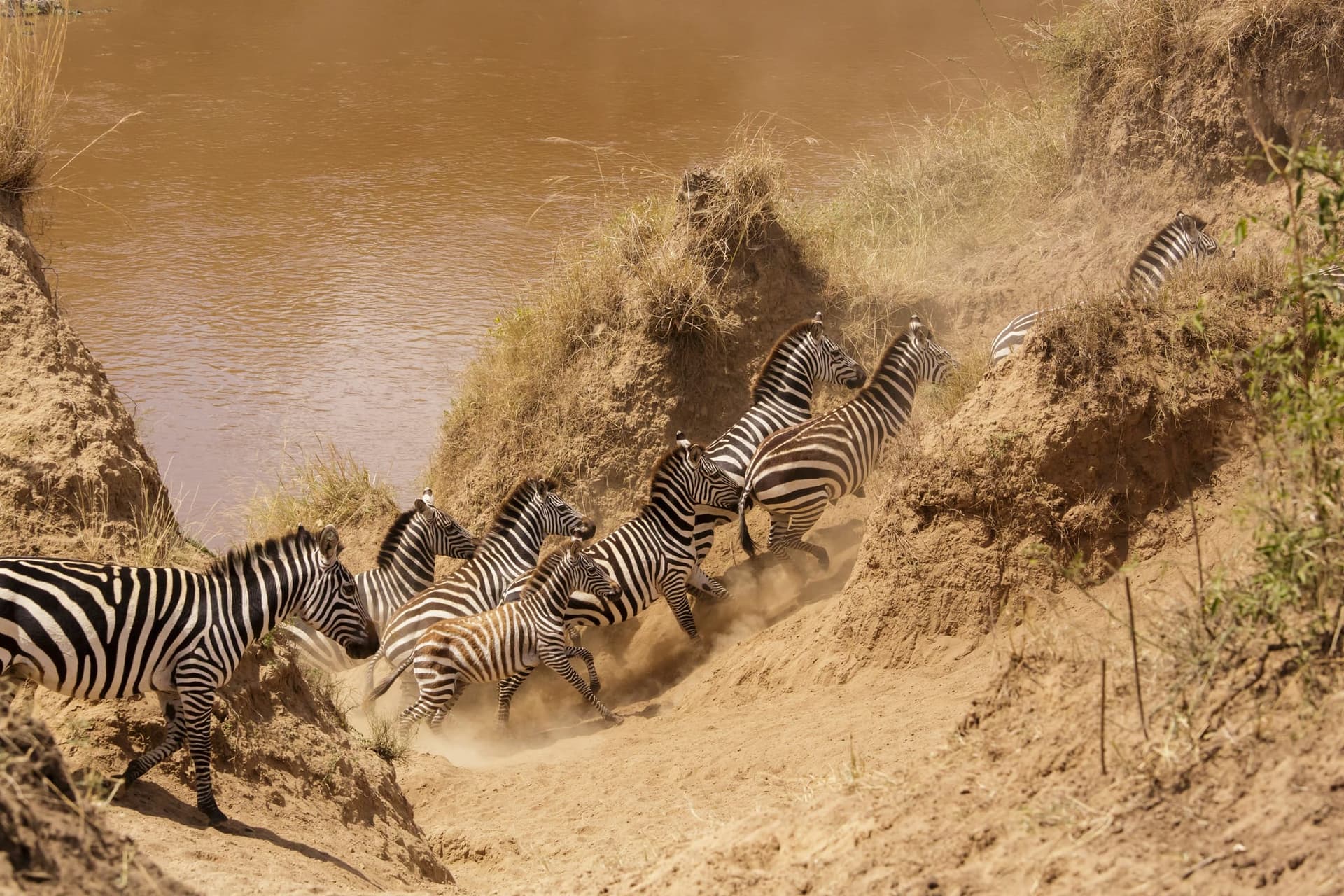
The defining characteristic of an East African safari is its vast open landscape. The Serengeti in Tanzania and Maasai Mara in Kenya are particularly famous for expansive grasslands, where large herds can often be observed moving across the plains. The Serengeti forms part of the wider ecosystem through which the annual wildebeest migration moves, one of the world's most impressive natural spectacles, involving more than one million wildebeest together with large numbers of zebra and gazelles. Tanzania also offers the extraordinary Ngorongoro Crater, while Kenya combines the Maasai Mara with destinations such as Amboseli, famous for views toward Mount Kilimanjaro.
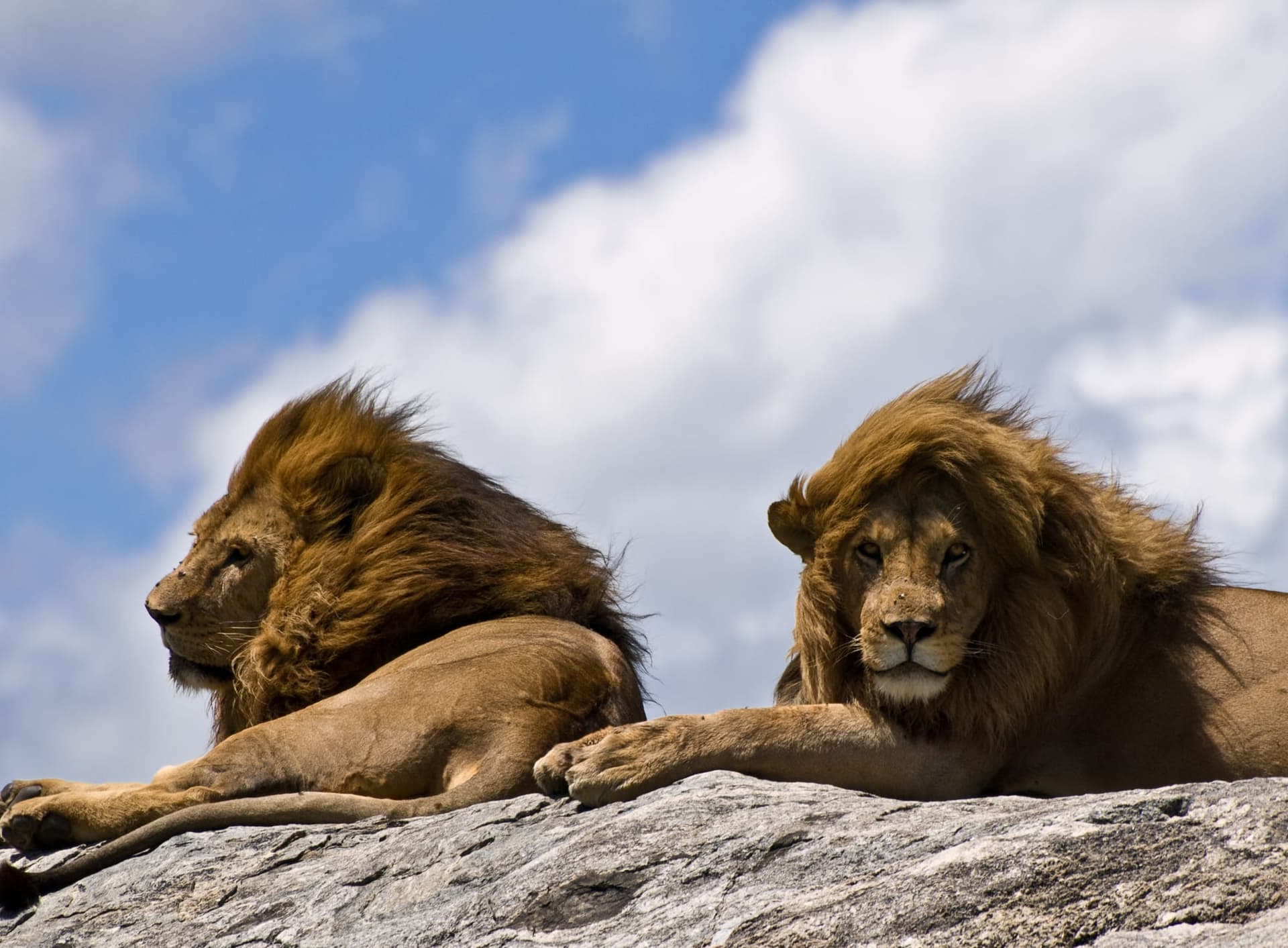
East Africa is particularly attractive to first-time safari travellers because the classic African safari image is so strongly represented here: open savannah, acacia trees, large herbivore herds, lions, elephants, cheetahs, and dramatic predator-prey encounters.
What Makes Southern Africa Special
Southern Africa offers a different kind of safari experience. Botswana, Namibia, South Africa, Zambia, and Zimbabwe contain an enormous range of ecosystems: you can move from the waterways of the Okavango Delta to the dry landscapes of the Kalahari, the Namib Desert, woodland savannahs, wetlands, and some of the most famous river systems in Africa.
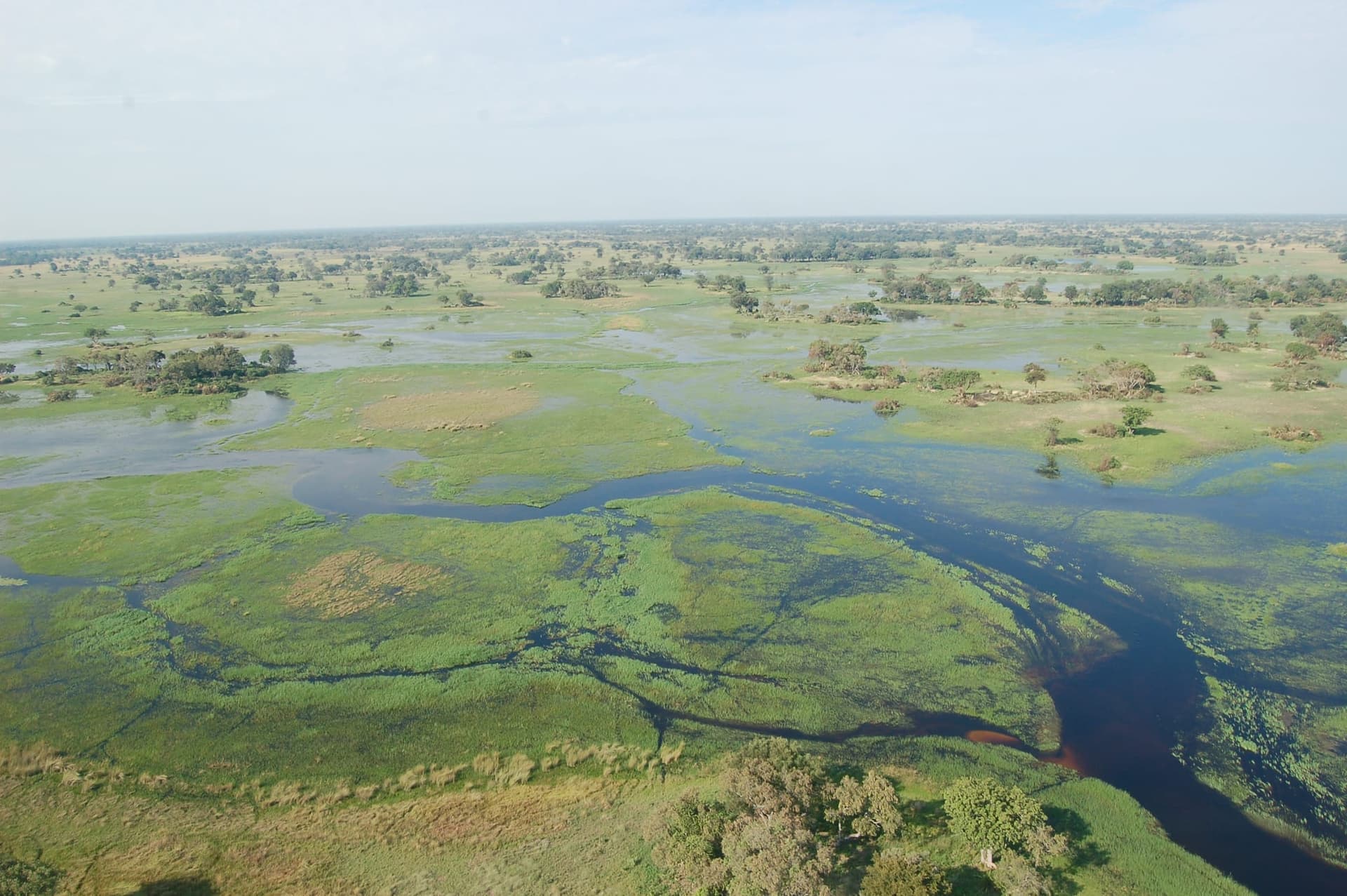
Botswana is particularly notable for the Okavango Delta, a UNESCO World Heritage Site where permanent waterways create a remarkable wetland ecosystem in the middle of an otherwise arid region, with wildlife experiences that include traditional game drives as well as mokoro canoe excursions through the shallow channels. South Africa offers perhaps the greatest flexibility of all: Kruger National Park, for example, combines extensive wildlife habitat with developed visitor infrastructure, accommodation options, and self-drive possibilities. And Namibia's safari experience is not limited to wildlife at all: the Namib Desert, enormous dunes, dramatic geological formations, and landscapes such as the Namib Sand Sea make the country particularly appealing to travellers who want a safari combined with an adventure-focused road trip.
Choose East Africa for the Great Migration
For travellers whose main priority is witnessing the Great Migration, East Africa should be at the top of the list. The migration is not a single event occurring on a fixed day or at one location; it is a continuous ecological cycle across the Serengeti-Mara ecosystem, with animals responding to rainfall, pasture, and water availability. That means timing matters enormously.
Tanzania's Serengeti and Kenya's Maasai Mara are both essential parts of the migration ecosystem, and travellers hoping to see dramatic river-crossing scenes should understand that nature does not operate on a guaranteed timetable. The precise location of the herds changes from year to year, and a good safari operator will plan around seasonal patterns while recognising that wildlife remains unpredictable. For migration-focused travel, though, East Africa has a clear advantage.
Choose Southern Africa for Greater Safari Variety
Southern Africa wins when the objective is variety. A Botswana itinerary might involve a game drive followed by a mokoro excursion. In South Africa, a traveller could combine a safari with Cape Town, the Winelands, or the Garden Route. Namibia can combine wildlife viewing in Etosha with desert landscapes and dramatic dune scenery.
This diversity makes Southern Africa particularly attractive to travellers who do not want their entire holiday to revolve around conventional game drives. A two-week Southern African trip could potentially combine wildlife, desert scenery, coastal landscapes, cultural experiences, adventure activities, and major cities. East Africa can provide considerable variety too, particularly through combinations such as safari and beach holidays in Kenya or Tanzania, but Southern Africa has an especially strong advantage for travellers seeking a multi-country, road-trip-style holiday.
Wildlife Viewing: Both Regions Are Exceptional
There is no meaningful winner when it comes to the overall quality of African wildlife. East Africa offers iconic savannah wildlife, including lions, elephants, cheetahs, leopards, giraffes, zebras, wildebeest, buffalo, and numerous antelope species, and the sheer scale of the Serengeti ecosystem creates spectacular wildlife scenes. Southern Africa provides equally impressive encounters, with destinations such as Botswana offering major populations of elephant and other large mammals, while South Africa's parks provide extensive opportunities for viewing the Big Five.
The difference is often in the setting and safari style rather than the presence or absence of wildlife. In East Africa, wildlife is frequently experienced against expansive grasslands and open plains. In Southern Africa, the experience can range from open savannah to dense bushveld, wetlands, river environments, and deserts, which for photographers can significantly influence the type of images produced.
Safari Style: Guided Drives versus Independent Exploration
One of the most important distinctions between the regions is how travellers can experience them. East African safaris are traditionally centred on professionally guided game drives, with travellers moving between lodges or tented camps with a dedicated safari vehicle and driver-guide. This creates a highly structured experience, since the guide is responsible for navigation, wildlife tracking, interpretation, and much of the day's logistics.
Southern Africa offers more opportunities for independent travel. South Africa is the clearest example: Kruger supports self-drive tourism, allowing visitors to explore the park using their own vehicles or rental cars, which can be a major advantage for travellers who enjoy driving and making their own decisions. Southern Africa also offers specialised experiences that may not resemble the conventional safari at all, such as Botswana's mokoro experience, which allows travellers to move quietly through shallow waterways surrounded by the Delta's wildlife and vegetation. This means Southern Africa may appeal more strongly to adventurous independent travellers, while East Africa often provides the classic guided safari many first-time visitors imagine.
Which Region Is Better for First-Time Safari Travellers?
For a first safari, either region can be excellent. East Africa arguably has the advantage if you have a very specific mental picture of an African safari, endless grasslands, large herds, predators, and the possibility of witnessing the Great Migration. Kenya and Tanzania are especially strong choices because iconic destinations can be combined within relatively established safari circuits.
Southern Africa may be more suitable for a traveller who wants flexibility. South Africa, in particular, makes it easier to combine a safari with urban tourism, food, wine, beaches, mountains, and road travel, and Kruger offers a range of visitor experiences and accommodation categories. The best destination, then, depends on whether "safari" is the entire purpose of the trip or one component of a broader African holiday.
Which Is Better for Families?
South Africa can be particularly convenient for families, thanks to its broad tourism infrastructure, road network, accommodation choices, and accessibility. Kruger offers self-drive and guided experiences, giving families considerable flexibility, though wildlife activities can still have age restrictions; children under six, for example, are commonly excluded from certain guided game-drive activities for safety reasons. East Africa can also be outstanding for families, particularly when itineraries are designed around shorter drives and carefully selected lodges. The key is choosing an itinerary appropriate to the children's ages and the family's tolerance for long road journeys and early starts, rather than simply choosing between East and Southern Africa.
Which Region Offers Better Landscapes?
This is perhaps the hardest category to judge, because the landscapes are so different. East Africa is unmatched for enormous savannah horizons, and the Serengeti's scale creates a feeling of openness that is central to the classic safari experience. Southern Africa, though, offers extraordinary ecological contrasts: Botswana's Okavango Delta transforms dry landscapes into a complex network of waterways, lagoons, islands, and flooded grasslands, while Namibia offers something completely different, immense desert landscapes, towering dunes, and vast open spaces. If your definition of a spectacular African landscape includes deserts, wetlands, and dramatic geological scenery, Southern Africa has a strong advantage. If your dream is endless golden savannah populated by wildlife, East Africa may be the better match.
Which Should You Choose?
Choose East Africa if you are primarily interested in the Great Migration, classic savannah scenery, enormous wildlife concentrations, traditional guided safaris, and iconic destinations such as the Serengeti and Maasai Mara. Choose Southern Africa if you prefer independent travel, road trips, varied landscapes, self-drive safaris, desert adventures, wetlands, sophisticated tourism infrastructure, and the ability to combine wildlife with other major experiences.
There is also a third option: experience both. A longer African holiday can combine East and Southern Africa, though doing so increases flight connections, travel time, and overall complexity. For most travellers, it is usually better to experience one region properly than to rush through several countries simply to collect destinations.