How Much Does an African Safari Actually Cost in 2026? A Complete Budget Breakdown
Africa Travel Bookings
· 5 min read
Published: 4 September 2026 | Category: Wildlife & Nature | Tags: Safari Costs, Budget Travel, Luxury Safari, East Africa, Southern Africa
One of the most persistent myths in global travel is that an African safari is either exclusively reserved for ultra-wealthy travellers or easily doable on a shoestring budget. The truth lies squarely in the middle. An African safari is undeniably an investment, but understanding how safari pricing is structured allows you to stretch your travel budget significantly without compromising on comfort, safety, or wildlife viewing quality.
When travellers first browse safari quotes, they are often hit with sticker shock. A figure such as $500 or $1,000 per person per day can seem astronomical compared to a beach resort in South America or a city break in Europe. Safari pricing, though, operates on an all-inclusive model: that single daily rate almost always bundles your luxury or boutique accommodation, three gourmet meals a day, twice-daily game drives in 4x4 vehicles, certified professional guides, park entry permits, conservation levies, and local airport transfers.
To help you plan with total clarity, Africa Travel Bookings has broken down the real, current costs of an African safari in 2026 across every comfort level, destination, and season.
2026 Safari Cost Overview
In 2026, safari costs range between $200 and $2,500 or more per person, per night, depending on your comfort preferences, destination, and the level of exclusivity you want.
- Budget, $200 to $350 per person per day: Public campsites, basic pop-top safari vans, or entry-level tented camps, with a shared safari minivan or group 4x4 (4 to 7 guests), full board, and park fees included.
- Mid-range, $350 to $700 per person per day: Comfortable 3 to 4-star lodges or permanent en-suite tented camps, with a private or small-group custom 4x4 Land Cruiser, full board, all park fees, game drives, and selected drinks.
- Luxury, $700 to $1,500 per person per day: High-end boutique camps or private conservancy lodges with plunge pools, a private 4x4 with a dedicated guide, and an all-inclusive service covering premium spirits, laundry, private dining, and bush walks.
- Ultra-luxury, $1,500 to $4,000 or more per person per day: Exclusive-use villas or remote fly-in camps with private plunge pools, a private vehicle with a personal tracker or guide, light-aircraft transfers, and a fully bespoke service including a private chef, unlimited activities, and exclusive concessions.
Where Does Your Money Actually Go?
To understand safari pricing, it helps to see what happens behind the scenes. Safari operators maintain complex infrastructure in some of the most remote wildernesses on earth, miles from municipal water, electricity, or paved roads. Roughly 40 to 45 percent of the daily rate goes toward accommodation and hospitality (lodging, food, power); 20 to 30 percent toward conservation and park entry fees; 15 to 20 percent toward vehicles, fuel, and logistics, including flying transfers; and the remaining 10 to 15 percent toward staff wages, certified guides, and trackers.
Conservation and park fees
Governments across East and Southern Africa use park fees to fund anti-poaching units, wildlife conservation, community revenue sharing, and ecosystem protection. In Kenya, entry fees at iconic reserves such as the Maasai Mara sit at $200 per adult per day during peak season (July to December) and $100 per day in the low season, while parks such as Amboseli and Lake Nakuru range between $80 and $90 per day. In Tanzania, entry to the Serengeti or Ngorongoro Crater combines conservation, transit, and crater service fees, often averaging $120 to $300 per person per day. Botswana and South Africa incorporate conservation levies into lodge pricing, typically $30 to $120 per person per night, depending on whether you stay in a public park or a private concession.
Transport and logistics
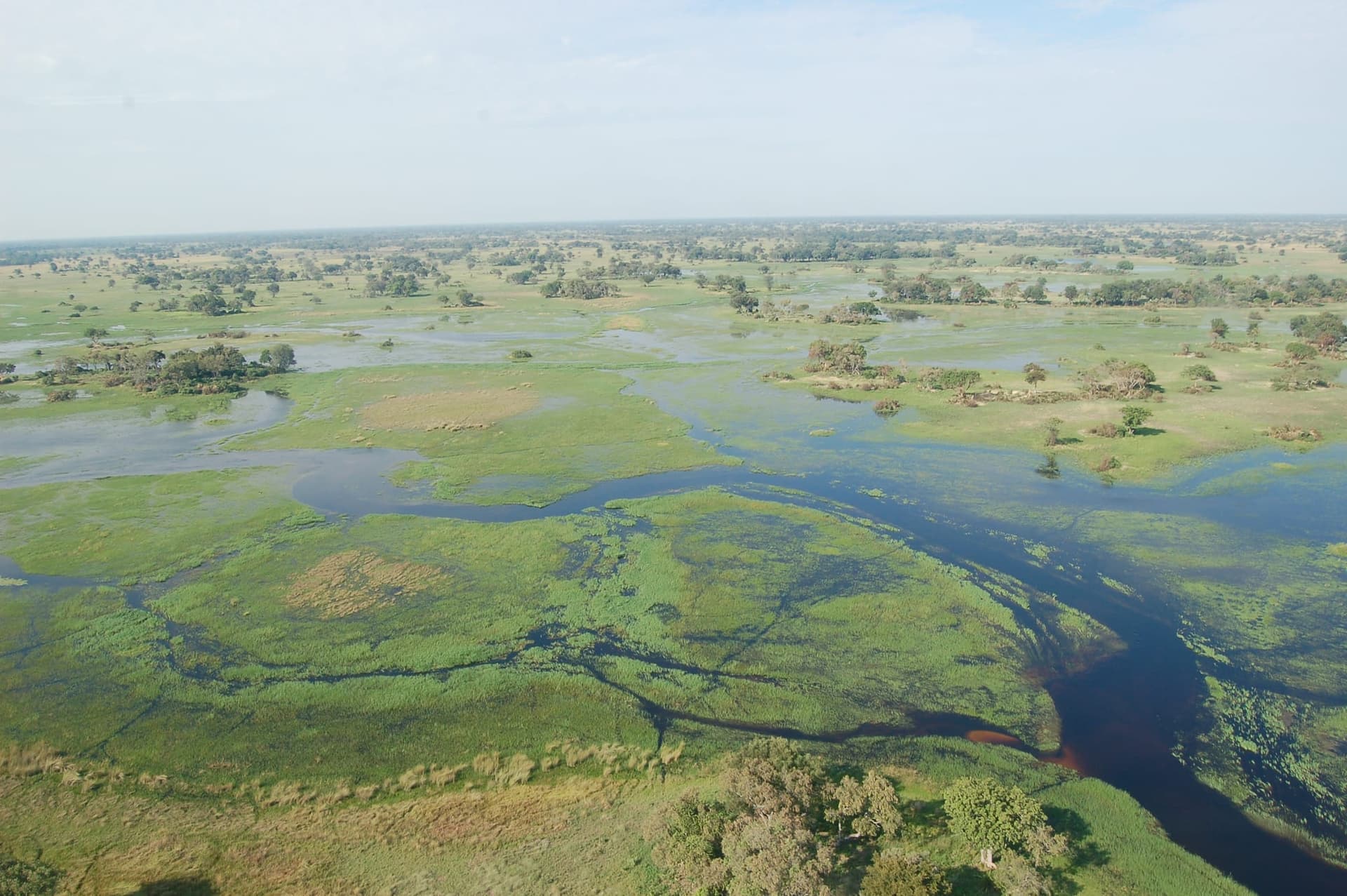
Running a heavy-duty 4x4 Land Cruiser across rugged, unpaved terrain consumes fuel and requires constant maintenance. Hiring a private 4x4 with a professional driver-guide costs between $200 and $350 per day, while shared safari minivans cost less, around $120 to $170 per day, but offer reduced clearance and visibility. In destinations with vast distances or limited road infrastructure, such as Botswana's Okavango Delta, Tanzania's Southern Circuit, or remote Kenyan conservancies, you fly between camps in 12-seater light aircraft, with bush flights averaging $250 to $600 per seat, per leg.
Regional Pricing: East versus Southern Africa
Where you choose to go in Africa has a dramatic impact on your budget.
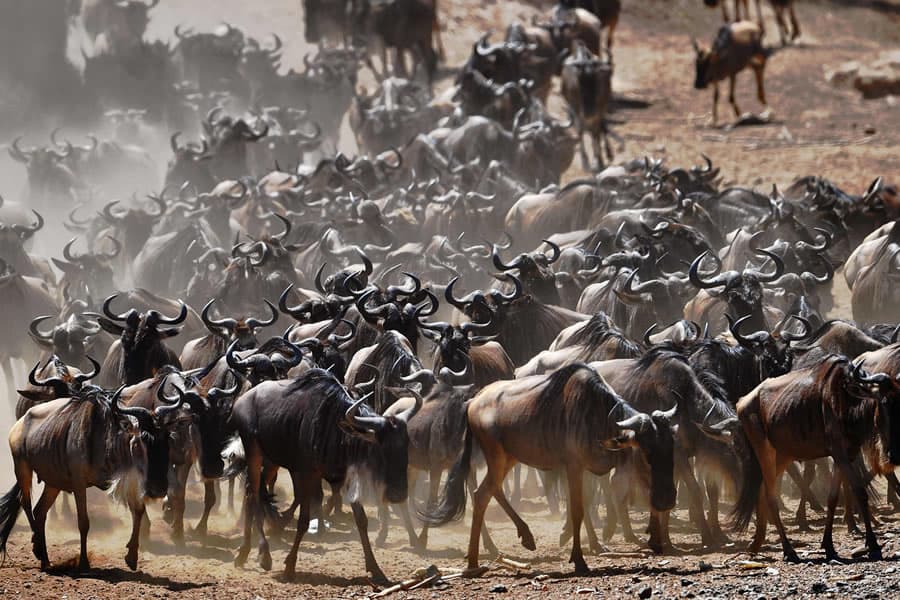
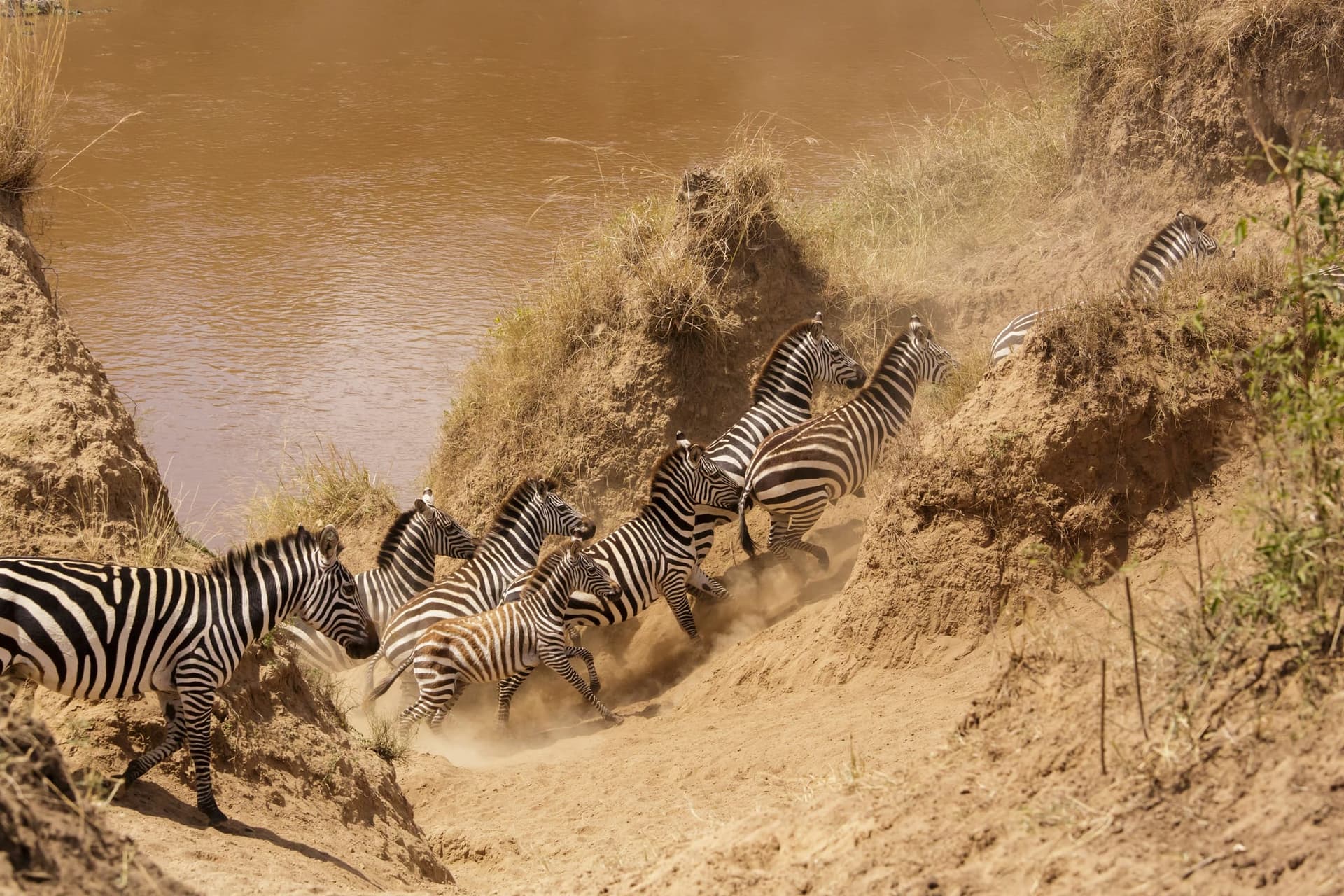
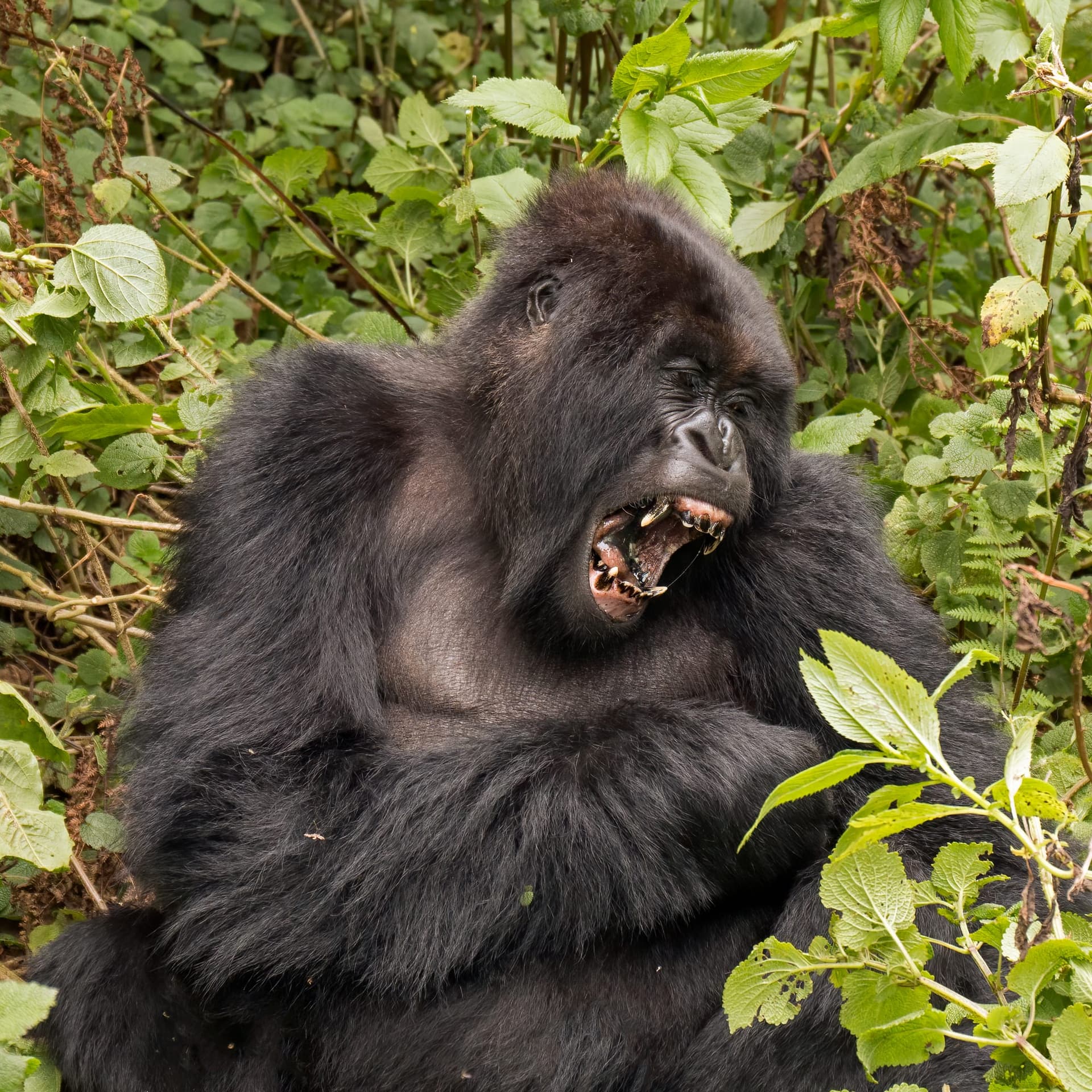
East Africa (Kenya, Tanzania, Uganda, Rwanda) is known for massive wildlife density, wide-open savannahs, and iconic spectacles such as the Great Wildebeest Migration and mountain gorilla trekking. It offers a wide spectrum of budget and mid-range options, including budget-friendly overland group safaris in Kenya and Tanzania. Gorilla trekking is a separate bucket-list expense here: Uganda charges $800 per permit, while Rwanda charges $1,500 per permit for a one-hour encounter with a habituated gorilla family.
Southern Africa (South Africa, Botswana, Namibia, Zimbabwe) offers the most cost-effective safari options on the continent through South Africa in particular. Excellent self-drive infrastructure in Kruger National Park lets budget travellers experience safaris for under $180 per day, and luxury private game reserves in Sabi Sands or Madikwe offer exceptional value compared with East Africa. Botswana deliberately limits tourist numbers to protect its wilderness, so while camping safaris exist, most lodges are high-end fly-in camps starting at $800 to $2,500 or more per night. Namibia, meanwhile, is the road-trip capital: renting a 4x4 with a rooftop tent lets couples and families explore Etosha National Park and the Namib Desert for $150 to $250 per day total.
The Hidden Expenses Most Travellers Forget
Looking solely at the tour operator's quote will leave you underprepared. Budget for these additional line items too.
International airfare. Flights from North America or Europe to major African hubs (Nairobi, Johannesburg, Kilimanjaro, Cape Town) run $1,100 to $1,900 round trip in economy, and $3,500 to $7,500 round trip in business class.
Tipping and gratuities. Tipping is an integral part of safari culture that directly supports local guides, trackers, and lodge staff. Budget $15 to $20 per guest, per day, for your main safari guide, $8 to $10 for a tracker, and $10 to $15 for the general lodge staff box. As a rule of thumb, allocate $25 to $40 per person per day in cash for total tips.
Bucket-list add-ons. A hot air balloon safari over the Maasai Mara or Serengeti runs $470 to $650 per person, including a champagne breakfast in the bush. A Maasai or cultural village visit costs $30 to $50 per person, and a guided walking safari costs $50 to $120 per person.
Visas, insurance, and health. Visas run $50 to $100 per country, or $100 for the East Africa Tourist Visa. Travel insurance with evacuation cover costs $100 to $300 per person, depending on age and trip cost, and vaccinations and antimalarials cost $100 to $250 depending on your home country's healthcare coverage.
Seasonality: How to Save 30 to 50 Percent
Timing your trip strategically can drastically alter your overall spend without ruining the wildlife experience.
Peak season (July to October) coincides with the dry winter in Southern Africa and the Great Migration river crossings in East Africa. Animals congregate around remaining water sources, making them easy to spot, but lodges charge peak rates and parks are crowded.
Shoulder season (January to March) is an incredible, underrated time to travel. In East Africa this is the calving season in the southern Serengeti, where thousands of wildebeest give birth daily, drawing intense predator action. Prices drop by around 20 percent, and crowds thin out.
Green or low season (April to May) is the rainy season in East Africa. Some dirt roads become muddy, but rains typically fall in short afternoon bursts rather than all-day downpours. Luxury lodges drop rates by up to 50 percent, waive single supplements for solo travellers, and offer a much more intimate, lush wilderness experience.
Real-World Budget Examples for 2026
To put these figures together, here is what two full seven-day safari packages actually cost in practice for two travellers, excluding international flights.
A seven-day mid-range Kenya circuit (Nairobi to Amboseli to Lake Nakuru to the Maasai Mara), styled around a private 4x4 with a dedicated guide and comfortable 3 to 4-star tented camps, runs approximately $2,400 for accommodation and food, $1,050 in park entry fees, and $1,750 for the private vehicle and driver, for an estimated total of $2,600 to $3,100 per person.
A seven-day luxury fly-in Tanzania and Zanzibar itinerary (Kilimanjaro to Serengeti to Ngorongoro to Zanzibar), with bush flights between parks, boutique tented camps inside conservancies, and a high-end beach finish, runs approximately $5,200 for lodges and all-inclusive service, $1,400 in park fees and crater permits, and $900 for internal bush flights, for an estimated total of $7,500 to $8,800 per person.
Smart Tips to Maximise Your Safari Budget
Mix and match accommodation tiers: spend your first few nights in comfortable mid-range lodges, then splurge on a top-tier luxury camp for your final two or three nights in the Maasai Mara or Serengeti. Travel in a group of four: hiring a private 4x4 safari vehicle costs the same whether there are two or four guests inside, so sharing vehicle hire and driver costs instantly slashes hundreds of dollars off per person. And book directly with local African operators, since booking through an overseas travel agency in North America or Europe often adds a 20 to 30 percent middleman commission. Working directly with verified, local Pan-African platforms such as Africa Travel Bookings connects you directly to local ground teams, so your money goes straight into your experience and into local conservation.