The Best Time to Visit Africa: A Month-by-Month Guide to Weather and Wildlife
Africa Travel Bookings
· 5 min read
Published: 4 September 2026 | Category: Wildlife & Nature | Tags: Great Migration, Safari Seasons, Weather, Gorilla Trekking, Wildlife Calendar
When is the best time to visit Africa? It is the most common question travellers ask, yet it is impossible to answer with a single month. Africa is not a country; it is a massive continent spanning the equator, featuring arid deserts, tropical rainforests, alpine mountains, and vast savannahs.
If you want to see millions of wildebeest plunging into crocodile-infested waters, there is a specific window for that. If you want to track mountain gorillas without slipping down muddy ravines, or watch newborn cheetah cubs playing in lush green grass with no other tourist vehicle in sight, you need to time your trip accordingly.
As a general rule across the continent's premier safari destinations, the dry season, usually June to October, is considered the peak time for wildlife viewing. The lack of rain dries out the vegetation, making animals much easier to spot, and forces wildlife to congregate around shrinking waterholes and rivers. It also brings peak pricing and heavy crowds. To help you align your bucket-list dreams with the right weather, Africa Travel Bookings has compiled this month-by-month guide for 2026.
January and February: The Calving Season
These months mark the short dry season in East Africa and the peak of the wet summer in Southern Africa.
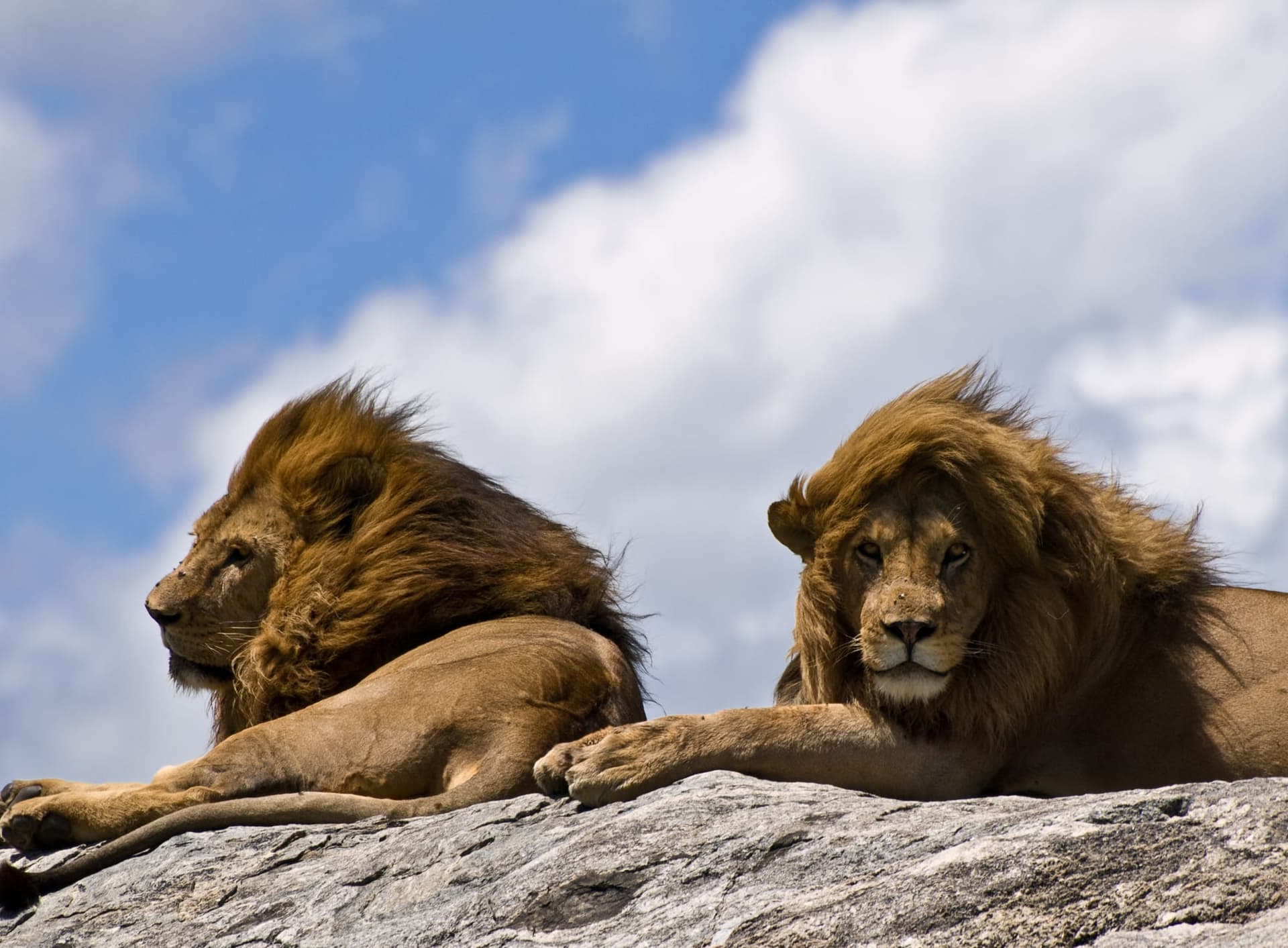
East Africa is the highlight here. This is the calving season in Tanzania's southern Serengeti and the Ndutu Conservation Area. In a synchronised two to three-week window, usually peaking in February, roughly 500,000 wildebeest calves are born, up to 8,000 a day. This abundance of vulnerable prey attracts staggering concentrations of predators, making it arguably the best time in Africa to watch lions, cheetahs, and hyenas hunting.
Southern Africa, meanwhile, sits in the middle of its rainy summer. Parks such as Kruger can be unbearably hot and humid, though the afternoon thunderstorms bring lush green landscapes and excellent birdwatching. Avoid Mauritius and Madagascar in this window, since February is the peak of the Indian Ocean cyclone season.
March and April: The Emerald Season Begins
As April approaches, weather patterns shift dramatically, opening up excellent budget travel opportunities.
March and April are incredible shoulder months for South Africa. The heavy summer rains begin to recede, leaving the scenery vibrant and temperatures pleasant. In Namibia, April marks the opening window for exploring the Namib Desert, since the scorching summer heat cools down, making it far more comfortable to climb the red dunes of Sossusvlei. March to May is also the best time to visit the Kgalagadi Transfrontier Park, bordering South Africa and Botswana, as animals flock to the riverbeds.
In East Africa, late March into April brings the long rains to Kenya and Tanzania. Heavy downpours can make dirt roads impassable, and some remote lodges close entirely, but if you do not mind getting wet, this is the ultimate window for budget travellers and photographers. Dust is cleared from the air, the savannah turns emerald green, and you will have the parks almost entirely to yourself.
May: The Transition Month
May is the bridge between the wet and dry seasons across much of the continent.
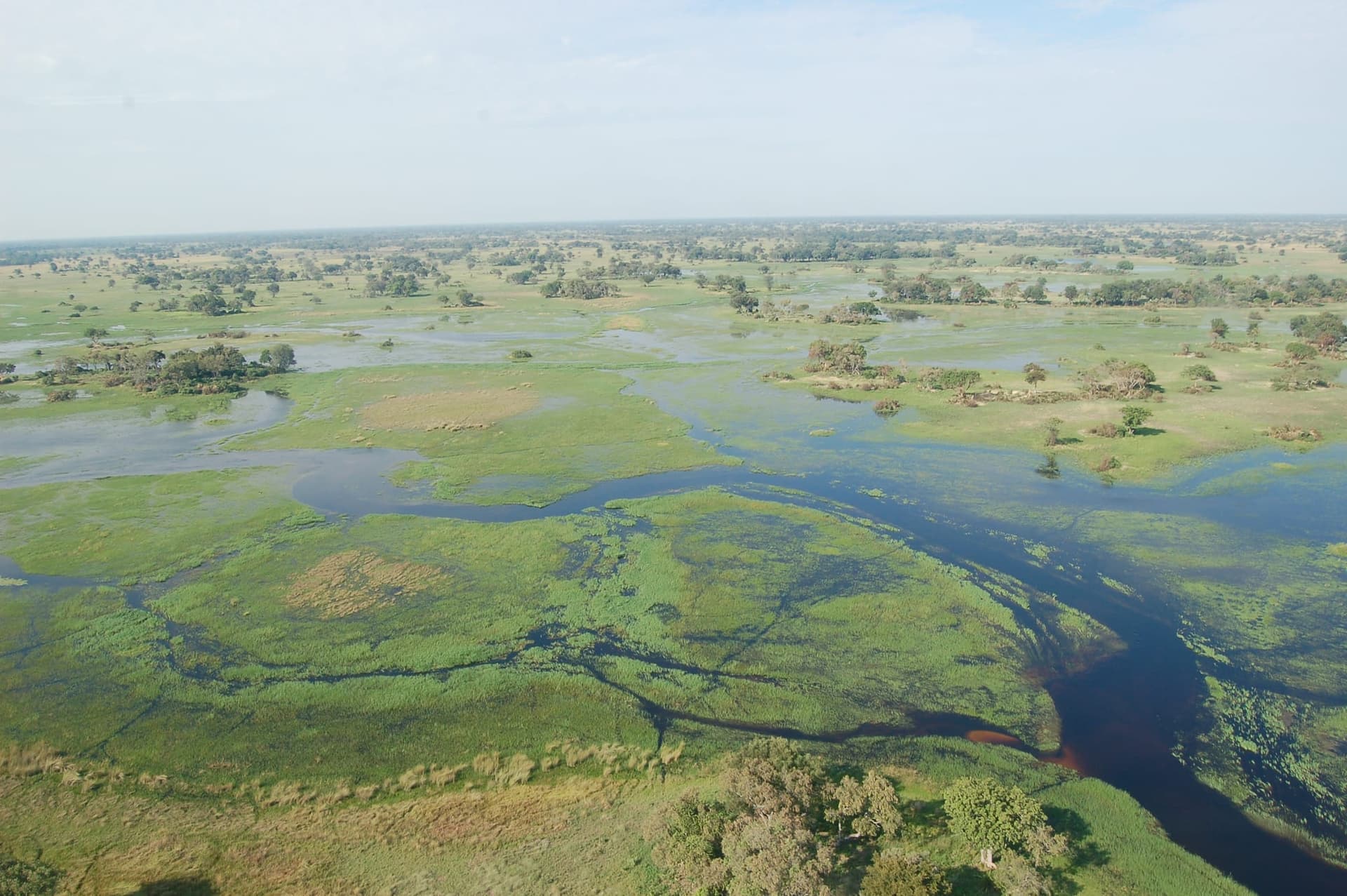
It is a fantastic, underrated time to visit Botswana, Namibia, and Zimbabwe: the rains have stopped, the land is lush, but the intense winter cold has not yet set in. The Okavango Delta in Botswana begins its annual flooding, creating a lush water world in the middle of the parched Kalahari. In East Africa, the long rains taper off in late May, and the wildebeest mega-herds in Tanzania start trekking north through the central and western Serengeti. May is also the start of the dry season in Madagascar, offering lush landscapes and pleasant temperatures before the peak tourist crowds arrive.
June: The Start of Peak Season
June opens the doors to classic safari conditions continent-wide.
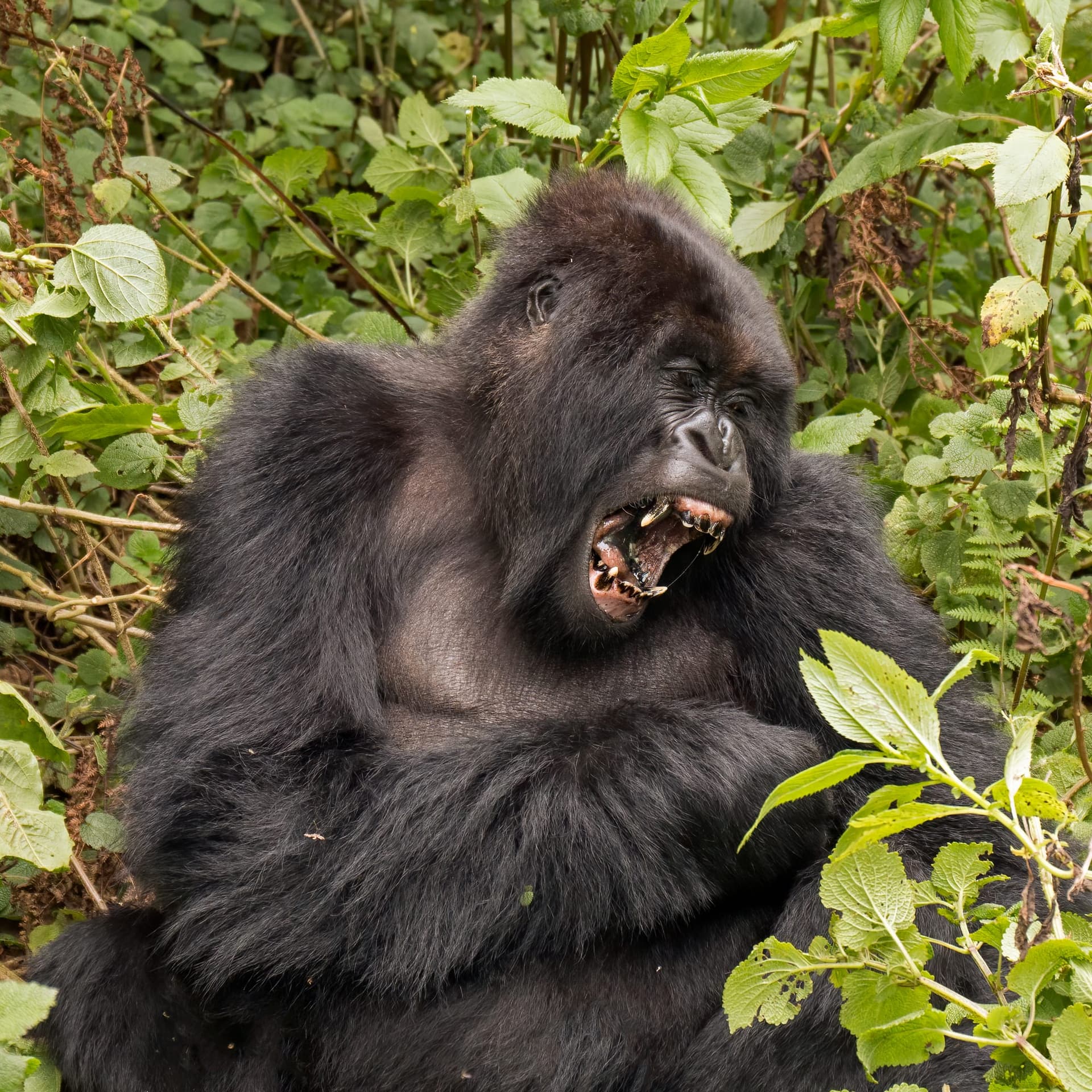
June marks the start of the dry season in East Africa. In Tanzania's Western Corridor, the Great Migration reaches the Grumeti River, and the crossings there offer raw, dramatic nature as the herds face large Nile crocodiles, with far fewer tourist vehicles than the later Mara crossings. June is also the start of the prime gorilla trekking season in Rwanda and Uganda, since the drying forest floor makes hiking steep ravines much easier. In Southern Africa, winter has arrived: days are bright, clear, and warm, but nights drop near freezing in Botswana, Namibia, and South Africa, so pack a heavy jacket for early morning game drives. The bush begins to thin out, drastically improving wildlife visibility.
July and August: The Great Migration Spectacle
These are the most expensive, busiest, and arguably most spectacular months to be on an African safari, and bookings often need to be secured a year in advance.
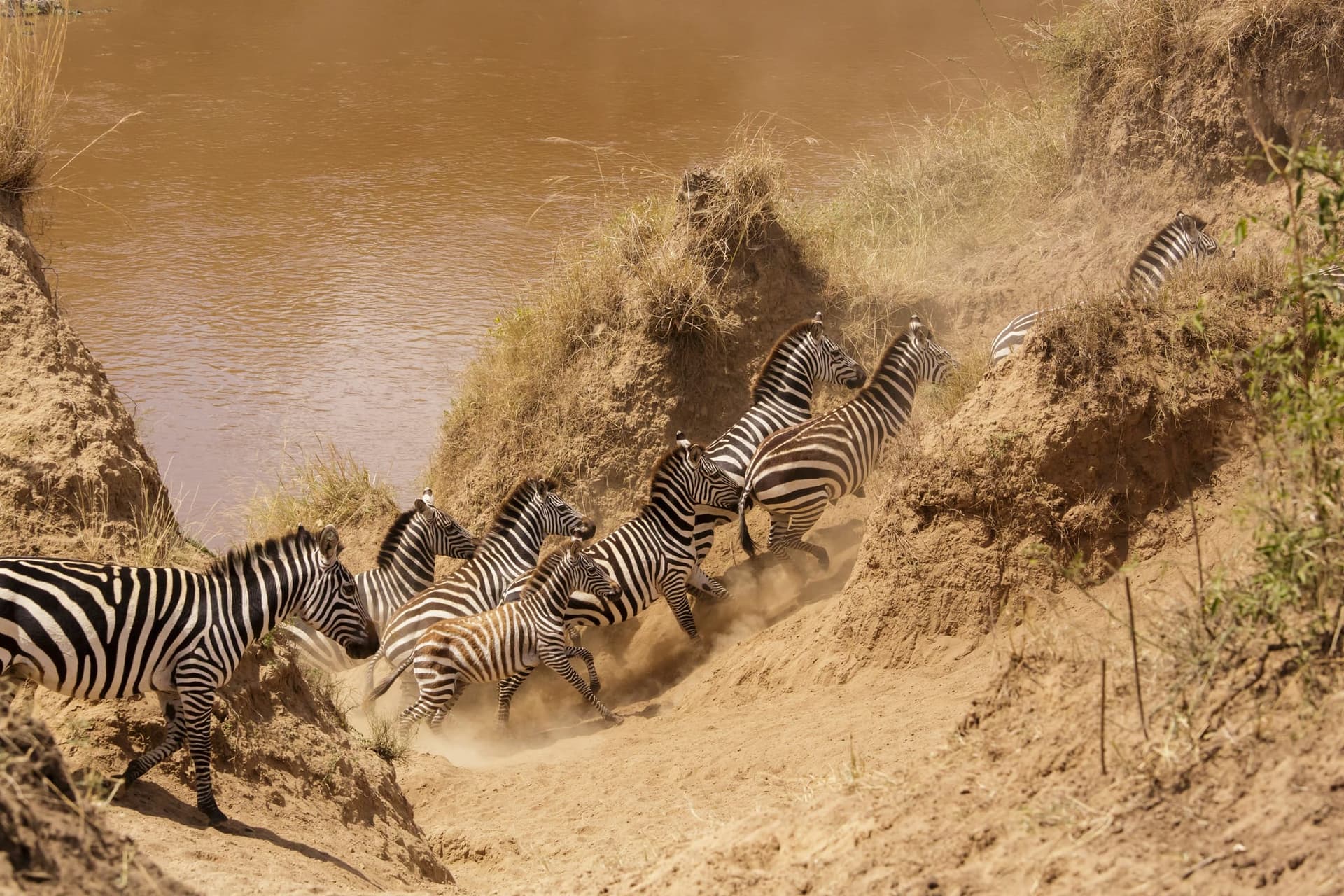
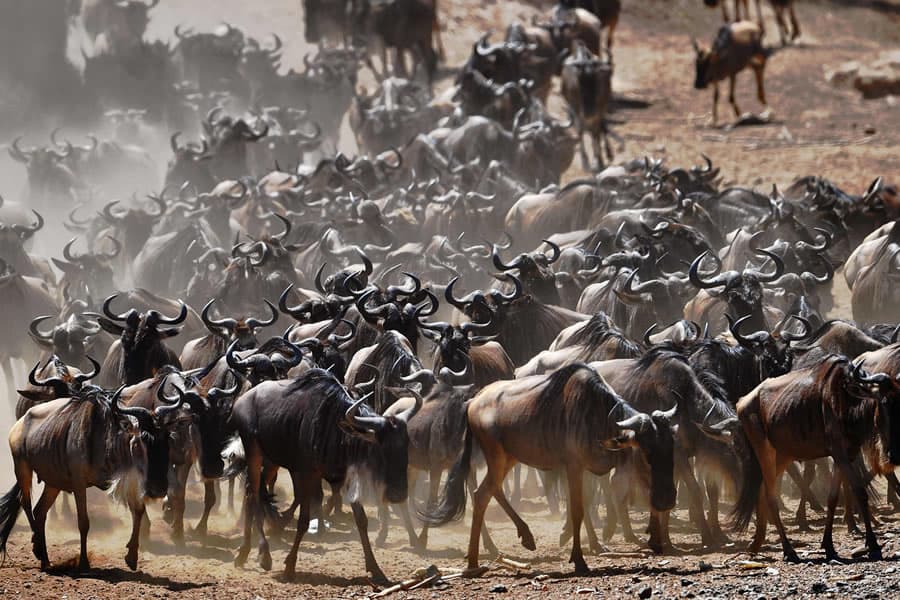
In Kenya and Tanzania, the Great Migration reaches its dramatic climax in the northern Serengeti and Kenya's Maasai Mara, as millions of wildebeest mass on the banks of the Mara River, building the courage to plunge across the treacherous, crocodile-filled waters. It is peak season for Kruger National Park, Chobe, and the Okavango Delta too: vegetation is extremely sparse, and animals are entirely dependent on permanent rivers and man-made waterholes. Park next to a waterhole in Etosha (Namibia) or Hwange (Zimbabwe) in August, and the wildlife will come to you. Malaria risk in South Africa also drops to its lowest point due to the dry winter cold. July and August offer the clearest skies for gorilla trekking in Rwanda's Volcanoes National Park too.
September and October: The Parched Earth
As the dry season extends into its final months, the heat builds up, and survival becomes a daily battle for wildlife.
September and October are the best months for wildlife density in Botswana, Namibia, Zambia, and Zimbabwe. The landscape is incredibly parched. October in particular is extremely hot, often exceeding 40°C in the Zambezi Valley, but it forces massive herds of elephants and buffalo to cluster tightly around the Zambezi and Chobe rivers. In East Africa, the wildebeest herds are settled in the Masai Mara, munching on the remaining grass, and multiple river crossings can still be witnessed daily throughout October. Meanwhile, the Indian Ocean coast, Zanzibar and the Kenya coast, enjoys perfect, hot, sunny beach weather.
November and December: The Short Rains and the Return
The heat of October finally breaks as the rains return to the continent, triggering a wave of relief across the ecosystem.
November brings the short rains to Kenya and Tanzania: typically brief afternoon thunderstorms that wash away the dust and trigger the growth of fresh green shoots. Following this fresh grass, the Great Migration herds leave the Masai Mara and march rapidly south back into the Serengeti. In Southern Africa, the summer rains begin to fall across Zambia, Zimbabwe, and Botswana; many walking safari camps in Zambia's South Luangwa close entirely in November due to inaccessible roads, though this marks the start of the green season in Botswana, which cools the desert heat and triggers the arrival of stunning migratory birds. Late December is a massive peak season globally: Cape Town is glorious, hot, and packed with tourists, and Kruger National Park experiences heavy, short rainstorms, though wildlife viewing remains excellent if you can handle the humidity.
The Quick-Reference Safari Calendar
- The Great Migration river crossings, July to October, in the Masai Mara (Kenya) and the northern Serengeti (Tanzania): dry, sunny, peak crowds, and the highest pricing of the year.
- Wildebeest calving and predator action, January to February, in the southern Serengeti and Ndutu Conservation Area (Tanzania): the short dry season, with excellent light for photography.
- Maximum wildlife density, June to October, in Kruger (South Africa), Chobe (Botswana), Etosha (Namibia), and Luangwa (Zambia): very dry, with cold mornings in June and July, turning extremely hot by October.
- Gorilla trekking, June to August, in Volcanoes National Park (Rwanda) and Bwindi (Uganda): the driest paths and the easiest hiking conditions.
- Budget safari and photography, March to May and November, across all East and Southern African parks: rain showers, lush green landscapes, clear air, and the lowest prices of the year.
- Desert exploration, April to October, in the Namib Desert and Sossusvlei (Namibia): comfortably cool, avoiding the extreme summer heat.