Is it Safe to Travel to Africa? A Realistic Guide for Solo Travelers, Couples, and Families
Africa Travel Bookings
· 5 min read
Published: 4 September 2026 | Category: Adventure & Exploration | Tags: Travel Safety, Solo Travel, Family Safari, Safari Etiquette
When international travellers begin planning a trip to Africa, the very first question that often surfaces is simple yet complicated: is it safe?
Sensationalised global news headlines and outdated stereotypes frequently paint the entire African continent with a broad brush, conflating political instability in one small region with the peaceful, thriving tourism hubs thousands of miles away. The reality is that Africa is a massive, diverse continent made up of 54 distinct nations, spanning nearly 12 million square miles. Asking whether Africa is safe is a bit like asking whether Europe or the Americas are safe: the answer depends entirely on where you go, how you travel, and how well you prepare.
Every year, millions of global travellers, including solo female backpackers, honeymooning couples, and families with young children, experience seamless, deeply enriching, and completely safe adventures across Africa. This guide cuts through the fear-mongering to provide grounded, practical, and up-to-date advice on how to navigate the continent with confidence.
Understanding the Continent versus the Country
The foundation of safe travel in Africa lies in geographical literacy. Understanding the spatial scale of the continent puts security concerns into perspective.
If civil unrest occurs in northern Mozambique, it has zero impact on a safari in Kenya's Maasai Mara or a wine tour in South Africa's Stellenbosch, destinations that are thousands of miles apart. Cairo is, in fact, geographically closer to London than it is to Johannesburg. When researching travel advisories issued by your home government, pay close attention to regional advisories rather than blanket country warnings. Many countries with localised border tensions have vast, safe inland zones where tourism flourishes undisturbed.
There is also a fundamental difference between being on safari and navigating a major metropolis. National parks, private game reserves, and luxury lodges operate within highly secure, controlled environments: from the moment you land at an airstrip, you are looked after by professional guides, trackers, and lodge staff, and crime against tourists within private concessions and major national parks such as the Serengeti, Kruger, or Okavango Delta is practically nonexistent. Major gateways such as Nairobi, Cape Town, Johannesburg, Casablanca, and Lagos are, by contrast, vibrant, dynamic economic hubs. Like major cities anywhere in the world, they feature safe upscale neighbourhoods alongside areas affected by economic disparity, where petty crime and opportunistic theft exist.
The Safest Destinations in Africa
While safety can be found across the continent, several countries stand out for their exceptional political stability, low crime rates, and mature tourism infrastructure built to protect and support international visitors.
- Mauritius: consistently ranked among the safest countries in Africa on the Global Peace Index, with exceptionally low crime, a stable democracy, and outstanding infrastructure. Suits families, couples, and solo travellers drawn to island resorts, coral reefs, hiking, and culture.
- Botswana: a highly stable, prosperous democracy with a high-end, low-impact tourism model that keeps wilderness experiences secure and uncrowded. Suits luxury travellers, couples, and safari goers heading to the Okavango Delta, Chobe National Park, or the Kalahari.
- Rwanda: known as one of the cleanest, most efficient, and safest countries globally, with Kigali renowned for safe nighttime walking and impeccable public order. Suits solo female travellers and eco-tourists drawn to gorilla trekking, Volcanoes National Park, or Lake Kivu.
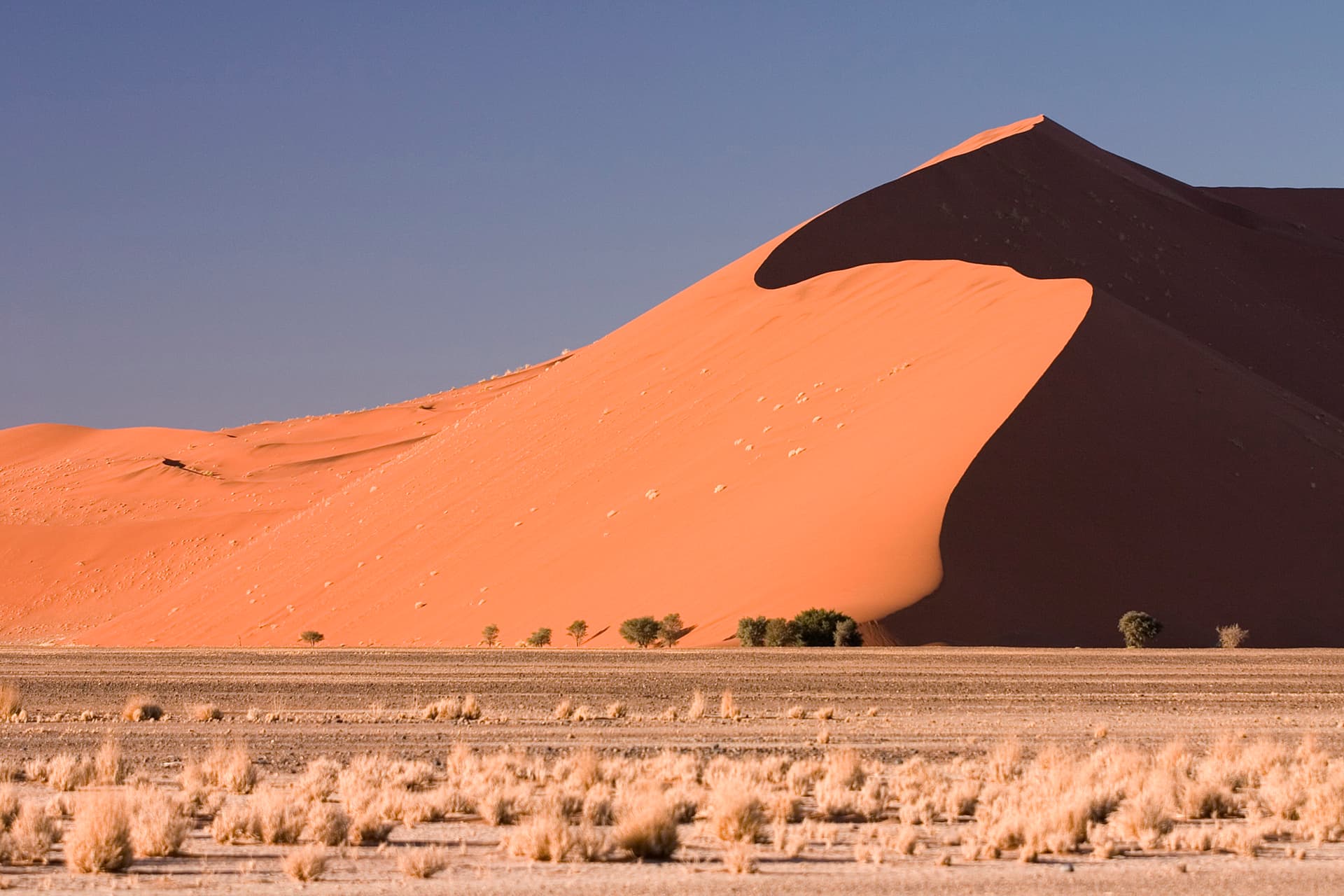
- Namibia: vast, peaceful, and sparsely populated, with excellent road networks that make it extremely safe for self-drive trips and independent exploration. Suits self-drive enthusiasts and families heading to the Namib Desert, Etosha National Park, or the Skeleton Coast.
- Seychelles: a quiet, tranquil island nation with virtually no violent crime and a warmly welcoming environment for international guests. Suits honeymooners and travellers seeking pure relaxation, island hopping between luxury beach escapes.
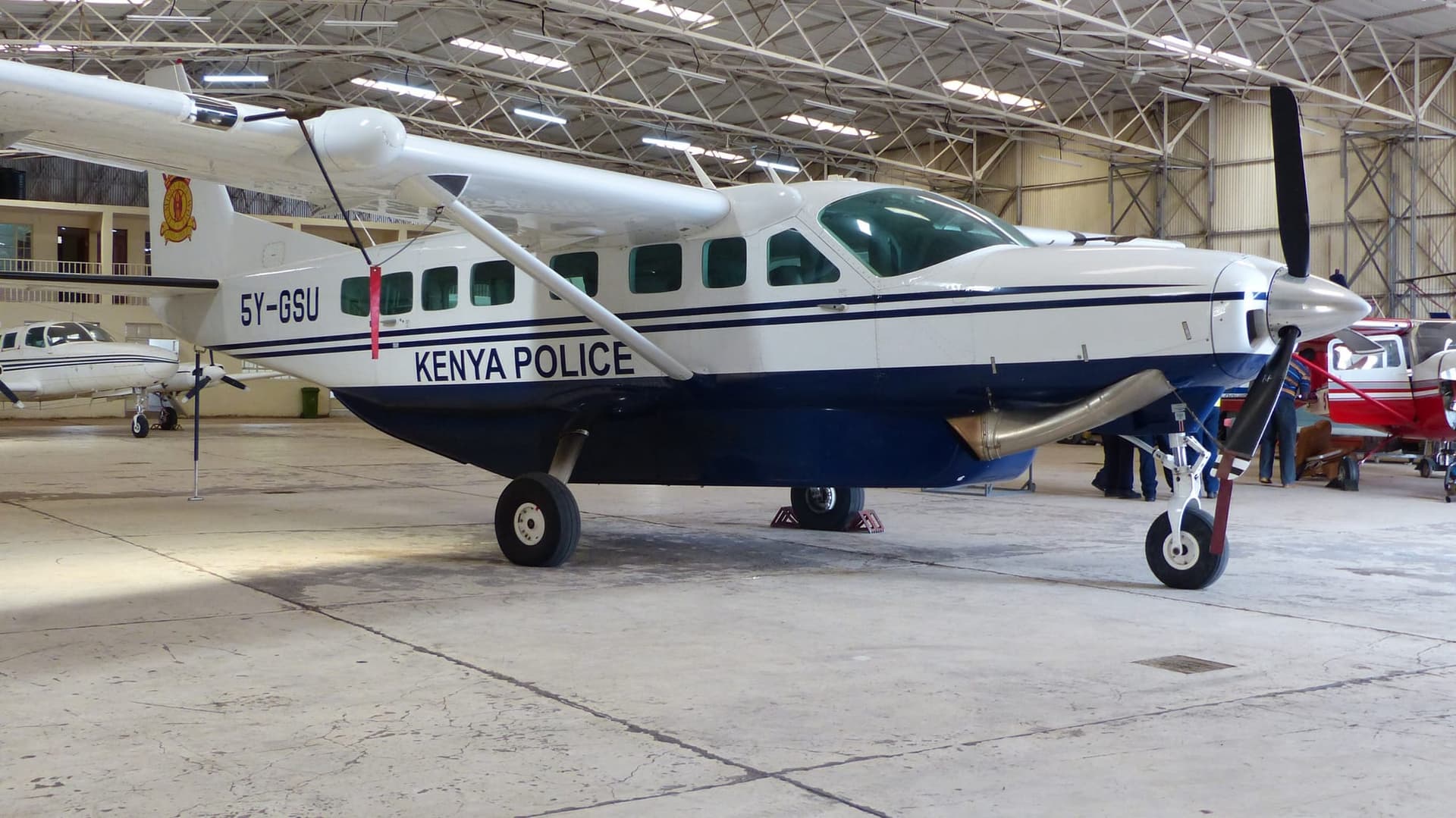
- Kenya and Tanzania: established safari infrastructure with dedicated tourist police and highly trained lodge personnel, giving safe, seamless transfers between parks. Suits first-time safari goers and families drawn to the Great Migration, Kilimanjaro, Zanzibar, or the Mara.
Solo Travel Safety
Travelling solo in Africa is one of the most rewarding journeys a person can undertake, though it calls for a higher degree of situational awareness, especially for solo female travellers.
The rhythm that keeps a solo trip safe is straightforward: book vetted airport transfers before you land, set up digital connectivity through a local eSIM or roaming data the moment you arrive, and maintain everyday awareness once you are out and about, keeping valuables out of sight and using a rideshare app rather than flagging a car on the street.
Solo female travellers
East Africa (Kenya, Tanzania, Rwanda) and island destinations (Mauritius, Seychelles) are particularly welcoming for women travelling alone, though female travellers should prepare for extra attention in certain urban or market areas. In busy street markets or coastal towns, local vendors can be persistent; a firm, polite, but assertive "no, thank you" (hapana, asante in Swahili) accompanied by continued walking is usually all it takes. Avoid stopping out of politeness if you feel uncomfortable.
Respecting local customs also reduces unwanted attention. In predominantly Muslim areas such as Zanzibar, Stone Town, or coastal Kenya, cover your shoulders and knees when outside beach resorts. In cities such as Kigali or Nairobi, smart casual Western attire is entirely normal.
If you are nervous about going entirely solo, consider booking small-group join-in safaris. This provides instant companionship, shared costs, and built-in group security while keeping the independence of a solo trip.
Digital safety tools and connectivity
Never arrive in an African country without a plan for mobile data. Modern connectivity is your primary safety net. Purchase an eSIM before landing, or buy a local SIM card at the airport arrival hall (Safaricom in Kenya, Vodacom in Tanzania and South Africa, for example). Live internet access lets you track GPS routes, call rideshares, and communicate with your lodge. Share your live location with a trusted friend or family member back home too, especially during long road transfers.
Safari and Wildlife Safety
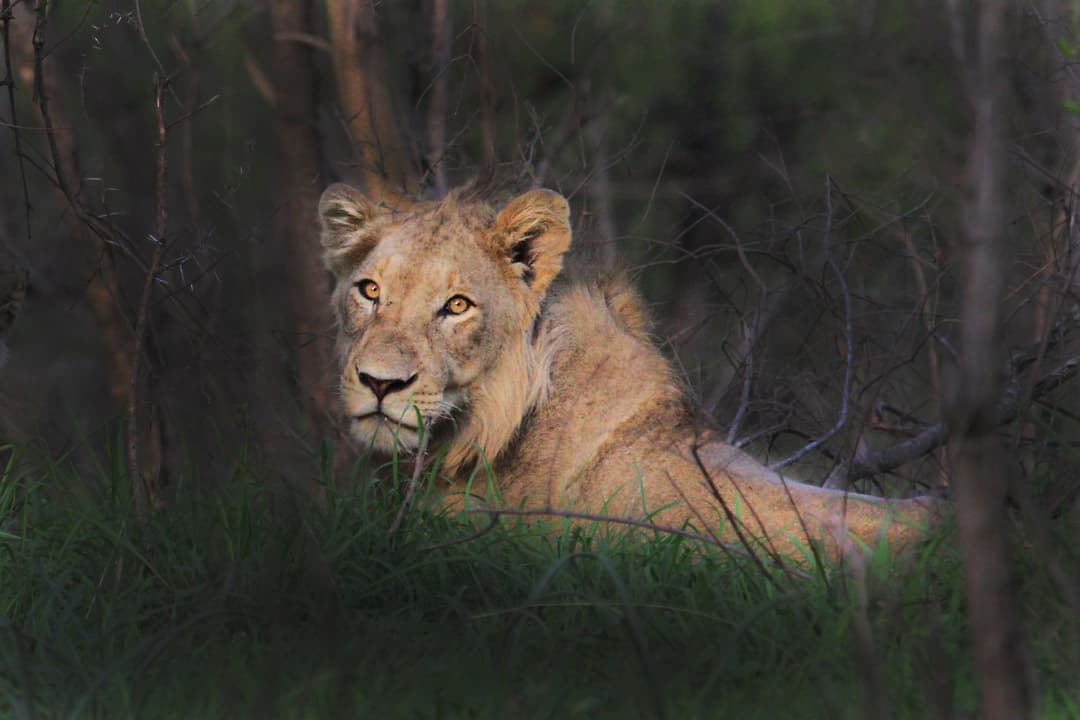
The perception of danger on safari often involves fears of wild animal attacks. In reality, wildlife encounters in organised national parks and private reserves are remarkably safe, provided you strictly follow professional guidelines.
Never stand up in an open vehicle. Safari animals view a 4x4 as a single, large, non-threatening object, and the moment you stand up, wave your arms, or step outside the vehicle's silhouette, that illusion breaks, and animals may treat you as a threat or as prey. Trust your field guide: safari guides undergo years of rigorous biological and safety training, and if a guide tells you to stay quiet or stop moving, follow their instructions immediately. Keep noise levels down too, since loud, sudden noises agitate animals and can cause defensive charges.
Many luxury safari lodges and tented camps, in places such as the Serengeti, Okavango Delta, or Mana Pools, are entirely unfenced, allowing animals to roam freely through the property. After dark, never walk alone between your tent and the main dining area: lodges employ local night guards, often called askaris, equipped with high-powered flashlights, to escort you safely. Once you are zipped or locked into your tent or room for the night, stay inside until morning. If you hear animals outside, enjoy the soundscape from the safety of your room rather than stepping onto your veranda to investigate.
Urban Safety and Scam Prevention
City safety in Africa requires the same common-sense rules you would use in any major global destination. Violent crime against tourists is rare, but opportunistic petty theft, a snatch-and-grab of a smartphone, camera, or piece of jewellery, occurs in high-density urban areas.
Leave expensive jewellery, watches, and designer bags at home, and keep your camera inside a plain, non-descript backpack until you are inside a designated tour site. Do not stand on a busy city sidewalk checking maps on your phone; step inside a shop or against a secure wall before pulling out your device, since motorcycle-based phone snatches can happen in a fraction of a second. Use established ride-hailing apps such as Uber, Bolt, or Little Cab, which offer driver tracking and transparent pricing, rather than flagging a random street taxi at night.
Two scams are worth knowing before you travel. Be cautious of overly friendly strangers who approach you near ATMs or street corners offering unsolicited directions or help with money machines, and politely decline and move into an established business instead. And in tourist hotspots such as Cape Town's Long Street or Nairobi's CBD, individuals may approach you claiming to collect money for a local orphanage or student art programme; donate through an established, verified charity or through your tour operator instead.
Health, Food, and Medical Logistics
Physical safety includes taking care of your digestive health and putting medical contingencies in place before you step on the plane.
Tap water in major South African cities, such as Cape Town and Johannesburg, is generally safe to drink directly, but across most of East, West, and Central Africa, avoid drinking tap water, and use bottled, boiled, or UV-purified water even for brushing your teeth. High-end safari lodges and reputable restaurants maintain world-class hygiene standards, and ice used in luxury safari camps is invariably made from purified water. When exploring local street food, choose vendors with high turnover, where food is cooked fresh and hot directly in front of you.
Medical evacuation insurance is non-negotiable for any African trip. Remote safari reserves are often hours away from advanced trauma hospitals by road. Make sure your travel insurance policy or tour package includes emergency medical evacuation cover, such as AMREF Flying Doctors in East Africa, so that in the rare event of a severe illness or injury in the bush, a specialised air ambulance can evacuate you to an international-standard hospital in Nairobi, Johannesburg, or Kigali.
Safety for Families and Couples
Travelling with children or a partner introduces its own planning considerations, but these can be managed with a little foresight.
If you are travelling with toddlers or young children, managing malaria risk is often the top priority. South Africa leads the continent in child-friendly, malaria-free safari destinations: reserves such as Madikwe Game Reserve, the Eastern Cape reserves (Shamwari, Kariega), and Pilanesberg allow families to see the Big Five with zero malaria risk and no preventative medication needed. Most safari lodges also enforce a minimum age, usually six years old, for standard open-vehicle game drives, though many family-focused lodges offer junior ranger programmes and dedicated private vehicles instead.
Romantic escapes across Africa, from private island resorts in Mozambique to secluded fly-camps in Zambia, are exceptionally private and safe, with service designed around discretion and comfort. Laws and social attitudes toward LGBTQ+ travel vary across the continent: South Africa explicitly protects LGBTQ+ rights in its constitution, while other nations retain more conservative legal frameworks. In conservative regions, public displays of affection are generally discouraged for all couples, gay and straight alike, but same-sex couples will find luxury safari lodges, boutique hotels, and international resorts universally welcoming and professional.
Your Everyday Africa Safety Checklist
Before you leave home
- Register your travel plans with your embassy's travel registry
- Purchase comprehensive travel insurance that explicitly covers medical evacuation
- Store digital copies of your passport, visas, and vaccination certificates on a secure cloud server
On the ground
- Use Uber or pre-arranged private transfers for airport and nighttime city trips
- Secure an eSIM or local SIM card immediately on arrival, for continuous connectivity
- Keep high-value electronics and cash in your hotel room safe
- Follow all guide instructions without question during game drives and bush walks