The Complete Africa Travel Checklist: Visas, Vaccines, and What to Pack
Africa Travel Bookings
· 5 min read
Published: 4 September 2026 | Category: Adventure & Exploration | Tags: Travel Planning, Visas, Vaccinations, Packing, Safari Logistics
The decision to travel to Africa is often accompanied by a rush of exhilaration, swiftly followed by a wave of logistical anxiety. Whether you are tracking the Great Migration across the Serengeti, sipping wine in the Cape Winelands, or navigating the vibrant souks of Marrakech, preparation is the line between a stressful trip and the adventure of a lifetime.
Unlike a weekend getaway to Europe or a resort stay in the Caribbean, traveling to the African continent requires careful attention to entry requirements, health precautions, and strict luggage parameters dictated by light aircraft. This comprehensive guide from Africa Travel Bookings cuts through the confusion. We have broken down exactly what you need to do, what you need to pack, and what you can confidently leave behind, so you arrive fully prepared for the magic of Africa.
Visas and Entry Requirements
The days of mailing your passport to an embassy and waiting weeks for a stamped visa are largely over for most African destinations. Entry requirements remain strict, though, and small oversights can result in denied boarding at your home airport.
The e-Visa revolution
Most major African tourist hubs have transitioned to Electronic Travel Authorisations or e-Visas.
- Kenya: Kenya now operates a visa-free system for global visitors, replaced by an Electronic Travel Authorisation (eTA). Apply for this online at least a few days before departure.
- East Africa Tourist Visa: If your itinerary includes Kenya, Uganda, and Rwanda, do not buy single-entry visas. Apply for the East Africa Tourist Visa instead. For a single fee (typically around $100), it grants multiple entries across all three countries for 90 days.
- Southern Africa: South Africa, Namibia, and Botswana generally offer visa-free entry or visas on arrival for passport holders from the US, UK, EU, Canada, and Australia for stays of up to 90 days. Always check current bilateral agreements based on your nationality.
Passport validity and the blank page rule
This is the most common pitfall for international travellers. To enter almost any African country, your passport must be valid for at least six months beyond your intended date of departure from the continent.
You must also have consecutive blank visa pages. South Africa requires a minimum of two completely blank pages, but if you are travelling across borders (for example, South Africa, Zimbabwe, and Botswana in one trip), travel with no fewer than four to six blank pages. Border officials are notoriously strict about this rule.
Proof of onward travel
Immigration officials frequently ask for proof that you intend to leave. Always carry a printed copy of your return flight itinerary or your onward flight out of the country. Relying on a digital copy on your phone can backfire if your battery dies or you cannot connect to the airport Wi-Fi.
Vaccinations and Health Logistics
Health preparations should begin at least four to six weeks before your departure. Consult a travel clinic or your primary care physician about your specific itinerary, since health risks vary wildly between a resort in Mauritius and a deep-bush camp in the Congo.
Mandatory: the yellow fever certificate
Yellow fever is the only vaccination that can legally dictate your entry into an African country. If you are travelling from, or transiting through for more than 12 hours, a country with a risk of yellow fever transmission, you must present a valid yellow fever vaccination certificate to enter countries such as South Africa, Tanzania, and Botswana. Countries such as Uganda and Ghana require the certificate from every arriving traveller, regardless of origin. The vaccine must be administered at least 10 days before travel.
Malaria prophylaxis
Malaria is prevalent in many top safari destinations, including Kruger National Park, the Serengeti, and the Okavango Delta. There is no vaccine for malaria, but preventative oral medications are highly effective.
- Malarone (Atovaquone/Proguanil): The most popular choice, with the fewest side effects, and it only needs to be taken for one week after leaving the malaria zone.
- Doxycycline: A cheaper alternative, though it can cause severe sun sensitivity, a real drawback under the African sun.
- If you are travelling to malaria-free reserves, such as Madikwe or the Eastern Cape in South Africa, you can skip the medication entirely, making these areas well suited to pregnant women or young children.
The travel pharmacy
Medical facilities in remote areas are limited. Pack a robust personal first-aid kit containing broad-spectrum antibiotics prescribed by your doctor for traveller's diarrhoea, antihistamines and hydrocortisone cream for insect bites, ibuprofen or paracetamol, motion sickness pills (essential for bumpy game drives and light aircraft flights), rehydration salts, and a high-DEET insect repellent.
What to Pack: The Safari Wardrobe
Packing for Africa, and particularly for a safari, requires strategy. The climate fluctuates dramatically, and the environment dictates your colour palette.
The layering principle
A typical day on safari starts before sunrise, when temperatures can hover near freezing, especially in Southern Africa during their winter (June to August). By midday, temperatures can climb to 30°C (86°F) or higher.
The solution is layering. In the early morning, wear a warm beanie, a thermal base layer or t-shirt, a fleece or thick sweater, and a windproof, waterproof outer jacket. By midday, peel off the layers until you are in shorts and a lightweight, breathable t-shirt. In the evening, switch to long pants and long-sleeved shirts to protect against mosquitoes as the sun sets.
Colours to wear, and to avoid
Your clothing colour matters in the bush. Wear khaki, olive green, tan, and brown: these blend into the environment, avoid startling the wildlife, and hide the inevitable safari dust.
Avoid blue and black. In East and parts of Central and Southern Africa, dark blue and black attract the tsetse fly, which delivers a painful bite that can pierce right through thin fabrics. Avoid white too, since it is ruined by red dust within hours and stands out glaringly to animals. And avoid camouflage: in many African countries, including Zimbabwe, Zambia, and Uganda, wearing military-style camouflage is illegal for civilians and can result in confiscation or fines.
Footwear
You do not need heavy, knee-high leather hiking boots unless you are trekking gorillas in Rwanda or Uganda, or climbing Mount Kilimanjaro. For standard vehicle-based safaris, comfortable, closed-toe walking shoes or lightweight trail runners are perfect. Pack sandals or flip-flops too, for walking around the lodge pool during the afternoon down time.
Luggage Restrictions: The Soft-Bag Rule
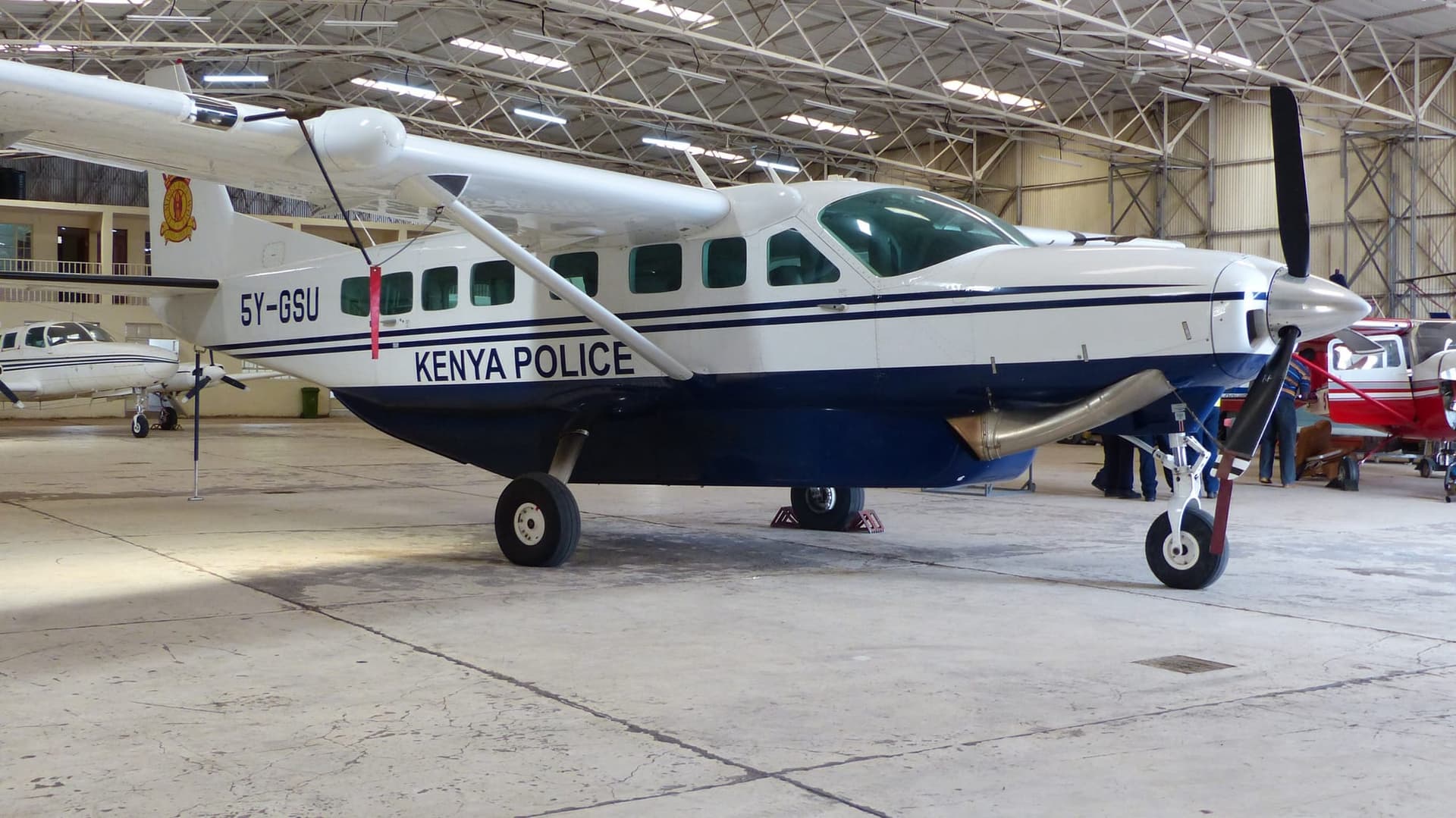
If your itinerary includes a bush flight, a transfer on a light aircraft such as a Cessna Caravan to reach remote camps in the Maasai Mara, Serengeti, or Okavango Delta, you cannot bring hard-shell suitcases with wheels.
These small planes have tiny, irregularly shaped cargo pods. You must pack your belongings in a soft-sided duffel bag that can be squashed into small spaces.
Weight limits are also strictly enforced for safety. The standard allowance is 15kg (33lbs) total per person, including your checked duffel and your carry-on or camera bag.
Almost all safari lodges and camps offer daily, inclusive laundry services, which is how travellers manage on 15kg: you only need to pack enough clothes for three to four days, regardless of whether you are travelling for a week or a month. For cultural reasons, many camps will not wash ladies' underwear, but they provide washing powder in your bathroom so you can do so yourself.
Tech and Photography Gear
Africa offers some of the most spectacular photographic opportunities on the planet. Even if you are not a professional photographer, you will want to capture the memories properly.
Smartphone cameras are great for sweeping landscapes and lodge photos, but they are practically useless for wildlife photography, since animals are often further away than they appear. You will want a DSLR or mirrorless camera with a zoom lens of at least 300mm, and preferably 400mm or 500mm.
Binoculars are arguably the most important item you will pack. Do not rely on your guide's binoculars or plan to share a single pair with your spouse. Every traveller should have their own pair of high-quality binoculars, with 8x42 or 10x42 the standard recommendations.
Safari vehicles are often equipped with charging ports, but bring a high-capacity power bank too. Plug sockets vary across the continent: South Africa uses the unique Type M (three large round pins), while East Africa predominantly uses the British Type G (three rectangular pins). Pack a universal adapter, but buy specific regional adapters before you go.
Cultural Nuances and Modesty
Safari camps are relaxed, but your time in cities or coastal regions calls for more cultural awareness. Africa is deeply diverse, with large Christian and Islamic populations. If your trip includes time in Zanzibar, Lamu, Egypt, Morocco, or rural villages, modest dress is expected. Women should pack a lightweight pashmina or shawl to cover their shoulders, and both men and women should wear clothing that covers their knees when walking through towns or visiting local communities.
When you move from the bush to the city, such as Cape Town or Nairobi, your khaki safari gear will immediately mark you as a tourist. Pack one or two smart casual outfits, a nice pair of jeans, a collared shirt, or a summer dress, for city dining.
The Quick-Glance Packing Checklist
Documents and logistics
- Passport, valid six or more months, with four to six blank pages
- E-Visas, printed itineraries, and travel insurance documents
- Yellow fever certificate and vaccination records
- US dollars printed after 2013 (older bills are often rejected)
Clothing
- Three to four short-sleeve shirts, moisture wicking, neutral colours
- Two long-sleeve shirts, for sun and mosquito protection
- Two pairs of comfortable shorts
- Two pairs of lightweight long trousers
- One warm fleece or sweater
- One windproof, waterproof jacket
- One wide-brimmed hat, crucial for sun protection
- One swimsuit, for lodge pools
- Underwear and socks for four to five days
Gear and toiletries
- Binoculars (8x42)
- Camera and zoom lens
- Universal adapters and a power bank
- High-SPF sunscreen and lip balm
- Malaria pills and a personal first-aid kit
- High-DEET insect repellent