
Navigating Internal Flights and Cross-Border Travel: How to Connect African Countries
Africa Travel Bookings
· 5 min read
Published: 4 September 2026 | Category: Adventure & Exploration | Tags: Bush Flights, Aviation, Cross-Border Travel, Safari Logistics
When global travellers picture international travel, they often imagine seamless multi-city train hops through Europe or direct domestic flights connecting major hubs across North America. Transferring between African nations, or moving from a bustling metropolis to a remote safari wilderness, operates on an entirely different set of rules.
With 54 distinct countries, widely dispersed population centres, and developing cross-border road networks, aviation is the vital economic and logistical lifeline of the continent. Booking an itinerary that spans multiple African nations, though, requires insider knowledge: a route that looks straightforward on a flat world map can involve unexpected hub connections, strict baggage parameters on bush planes, or scheduling nuances that demand careful planning.
To ensure your multi-destination African journey runs smoothly, Africa Travel Bookings has mapped out the definitive guide to navigating internal flights, regional carriers, and cross-border travel in 2026.
The Major Continental Aviation Hubs
Just as global travellers route through London Heathrow or Dubai when crossing continents, travelling within Africa usually means connecting through one of the continent's mega-hubs. These airports are the primary engines connecting East, West, Central, and Southern Africa.
Nairobi (NBO), Kenya, served by Kenya Airways and Safarilink, anchors dominant East and Central African connectivity. Addis Ababa (ADD), Ethiopia, served by Ethiopian Airlines, has a massive continental and global network. Johannesburg (JNB), South Africa, served by South African Airways and Airlink, is the gateway to Southern Africa and its domestic routes. Casablanca (CMN), Morocco, served by Royal Air Maroc, is the premier bridge between West and North Africa and the EU.
Kenya Airways, crowned Africa's leading airline at the World Travel Awards, anchors East African connectivity out of Jomo Kenyatta International Airport (JKIA). For safari travellers, Nairobi offers a unique dual-airport setup: international flights land at JKIA, while domestic and regional safari flights, to the Maasai Mara, Amboseli, or coastal Diani, depart from the historic Wilson Airport, located just 25 minutes away.
Ethiopian Airlines operates the largest and most extensive passenger network on the continent, so if you are travelling from West Africa to East Africa, or connecting obscure secondary cities across the continent, Addis Ababa is frequently your most direct and efficient transit point. And OR Tambo International Airport in Johannesburg serves as the premier distribution hub for Southern Africa: while major national carriers handle trunk routes between capitals, regional airlines such as Airlink provide vital connections to specialised regional gems, linking Johannesburg directly to destinations such as Victoria Falls (Zimbabwe), Maun (Botswana), and Windhoek (Namibia).
The Safari Circuit: Bush Flights versus Road Transfers
When your itinerary transitions from an international city arrival into a remote wildlife reserve, commercial jets give way to specialised regional carriers and light bush aircraft. Understanding how these bush flights operate prevents costly delays and missed wildlife viewing.
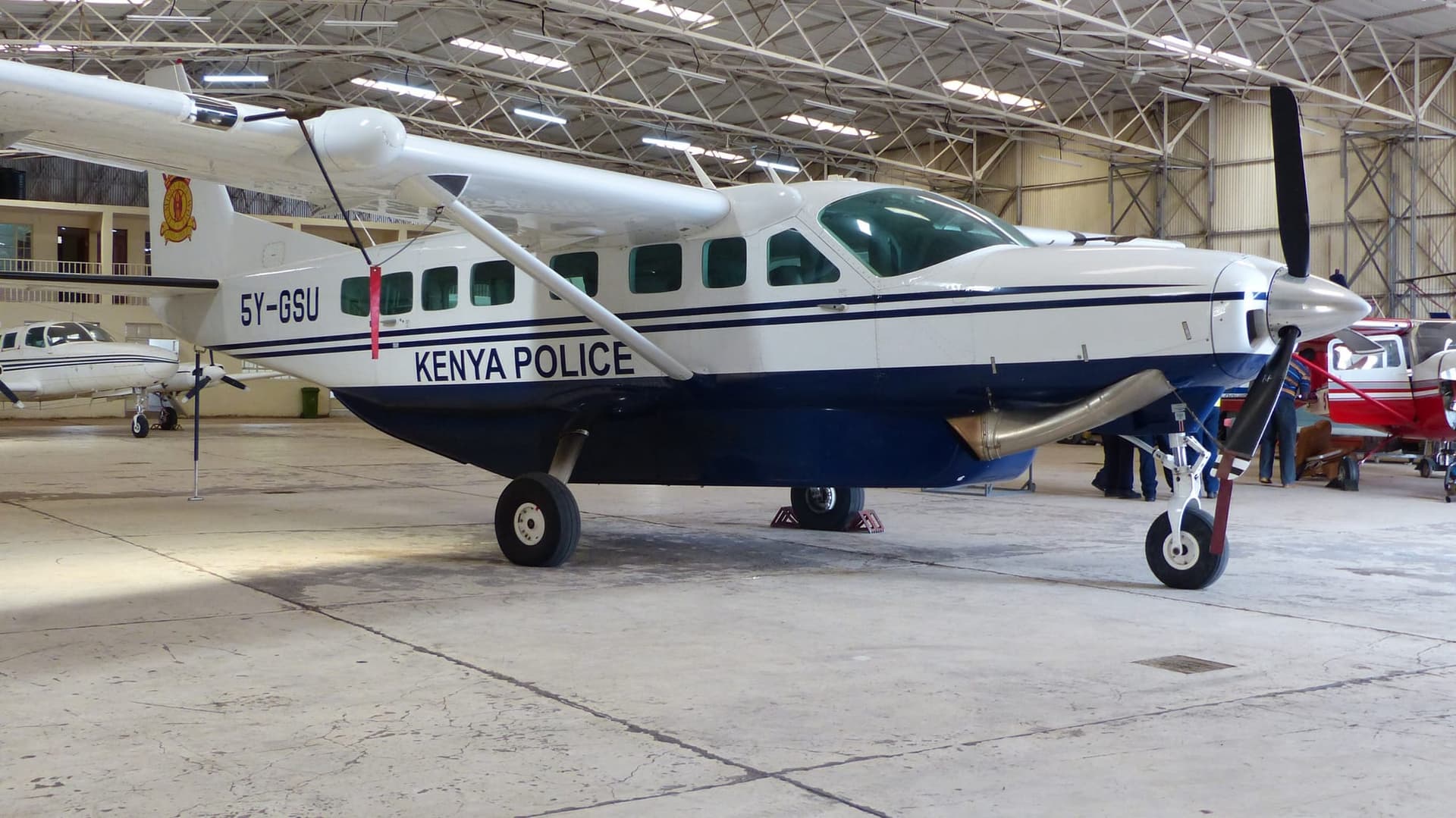
Unlike standard commercial jets, bush flights are typically operated by 12 to 18-seat turboprop aircraft, such as Cessna Caravans or Dash 8s, run by specialists such as Safarilink or AirKenya. A bush flight from Nairobi to the Maasai Mara rarely flies point to point: the aircraft may make two or three brief stops at different airstrips (Keekorok, Ol Kiombo, or Musiara, for example) to drop off and pick up other guests, so factor these stops into your travel time.
Strict luggage caps are where many travellers stumble. Bush aircraft impose a strict 15kg (33lbs) total weight limit per person, which must be packed in soft-sided duffel bags rather than rigid, wheeled suitcases, since hard shells cannot fit into the irregular cargo pods of light aircraft. Always confirm the exact name of your lodge's airstrip with your operator too: large reserves such as the Serengeti or Maasai Mara contain multiple airstrips, and landing at the wrong one can result in an unexpected two-hour bumpy road transfer.
Cross-Border Travel: Myth versus Reality
A common misconception among first-time visitors is that crossing an international border, such as flying from Kenya's Maasai Mara to Tanzania's Serengeti, is as simple as boarding a domestic hop. In practice, cross-border logistics require careful orchestration.
While certain seasonal air corridors permit direct flights between neighbouring safari hubs, such as scheduled connections linking Kenya's Maasai Mara directly to northern Tanzania via Arusha, many cross-border routes still require transiting through a major capital hub or clearing formal immigration at designated border strips.
Immigration clearance also cannot always be handled on the tarmac when flying cross-border into remote airstrips. Your tour operator will coordinate ground transfers to official border posts, such as the Isebania or Namanga crossings between Kenya and Tanzania, to stamp your passport before you proceed into the next country's national park network. Always ensure your visa permits multiple entries if your itinerary crosses international boundaries repeatedly.
The Single African Air Transport Market
For decades, African aviation has faced structural hurdles from fragmented bilateral air service agreements, which historically made flying between two neighbouring African countries paradoxically more expensive and complicated than flying via Europe.
To address this, the African Union launched the Single African Air Transport Market (SAATM), a flagship initiative designed to create a single unified air transport market across the continent. By opening up skies, easing restrictions on airline frequencies, and loosening ownership controls, SAATM aims to drive down ticket prices, increase direct route offerings, and reduce transit times between African nations. Rollout remains uneven across regional blocs as of 2026, though: East Africa and Southern Africa enjoy robust, mature regional networks, while other corridors continue to rely on traditional hub-and-spoke routing.
Booking Inter-African Itineraries Like a Pro
To keep your multi-country or multi-camp journey seamless, apply these proven travel management strategies.
Never book an international long-haul return flight home on the exact same day you fly out of a remote bush airstrip. Weather delays, morning mist, or temporary airstrip closures can occasionally disrupt schedules, so build a 24-hour buffer night in a major hub, such as Nairobi, Johannesburg, or Cape Town, before your international departure.
Consolidate ticketing when possible: whenever your itinerary involves multiple legs operated by partner airlines, book through a single unified ticket or a trusted local operator, so that if your first flight is delayed, the airline is legally and operationally obligated to rebook your connection at no extra cost.
Keep essentials in your daypack. Your soft duffel bag will be stowed in the aircraft's rear cargo hold, so always pack your passport, medications, camera equipment, binoculars, sunglasses, and a light jacket in your carry-on daypack, so they remain instantly accessible throughout your journey.
And leverage local expertise. Online global aggregators often fail to display localised bush flights or seasonal charter schedules, so working directly with a specialised, verified Pan-African booking platform such as Africa Travel Bookings ensures every connection, from commercial trunk flights to remote bush airstrip transfers, is meticulously vetted and timed to protect your valuable holiday hours.
Inter-African Travel at a Glance
- Trunk or international: Boeing or Airbus jets, flown by carriers such as Kenya Airways, Ethiopian, or SAA, taking 2 to 6 hours, under standard international baggage rules (20 to 23kg checked).
- Regional cross-border: Embraer E-Jets or turboprops, taking 1 to 3 hours. Arrive 2 hours ahead of departure and verify your visa allows multiple entries.
- Bush or safari transfer: A Cessna Caravan or Dash 8, flown by specialists such as Safarilink or AirKenya, taking 30 to 90 minutes, under a strict 15kg limit in soft-sided bags only.
- Ground safari transfer: A 4x4 Land Cruiser or safari minivan, taking anywhere from 2 to 6 hours. Keep fragile electronics padded against bumpy terrain.